



Times of Bennett
ArticleFeatures

Covid taught us to slay different variants of stress

Published:August 26, 2021 at 01:00 PM6 min read
Covid taught us to slay different variants of stress
By Surbhi Kaul

The Covid-19 virus didn’t just prove fatal to some and bring misery to many. It also instilled a morbid fear of being infected and caused new types of stress.

Shagun Saxena, a student at Delhi University, went through chronic Covid stress last November, her whole family was positive and realized the seriousness of the disease. “I lost three people in my own family in nine days and it was traumatic. I had never faced something like this in my entire life. I started to have anxiety attacks,” said Shagun.

According to a study conducted by a Delhi-based mental health service platform, The Centre of Healing (TCOH), 74% and 88% of Indians reported stress and anxiety respectively. Since the pandemic hit the country, followed by an unprecedented lockdown, cases of Covid stress had increased.

This stress was not just in one form but came in multiple forms. The virus triggered the stress of losing a job, family relationship issues, no social interaction, being stuck at home, etc. But loneliness and grief over losing a near and dear one provoked stress and anxiety on a large scale.

“With the coming of the second wave of the virus, people are struggling with grief because many lost their loved ones. The worst part is that there is no social support to help people struggling with grief,” said Kriti Kaul, a mental health professional. She said that the time needed for this grief to heal is getting extended because of the pandemic. The ramifications of this grief will be seen in the coming months.

The virus left a trail of destruction, so to speak, in the aftermath of the infection among victims. The impact was both physical and mental. Arya Anil Kumar, a junior architect who had contracted the virus, said, “I can clearly see a difference in my strength and energy level and I am not able to focus as much as I could earlier.”

Others simply broke down mentally. “Covid stress immensely affected us. Physically dealing with the disease, then seeing my parent in the critical stage. The thought of losing a father was a mental setback as I wasn’t ready for acceptance,” said Nidhi Chauhan, Research Assistant at DecodeDNA Pvt Ltd. The anxiety stemming from the situation lowered the physical immunity of people and they became more negative, irritable and some felt helpless. People were helpless and hopeless about the situation.

Psychologist Sonia Dhar asserted that mostly the first question asked by people is, when will it end? “That’s the first question people ask me and even I ask myself. No one knows the answer right now and anyone who says they do is simply making a lot of assumptions. Those assumptions are important, but they need to come with the caveat that there is so much uncertainty,” said Dhar.

Despite all this, people fought back by coming up with ways to cope with this stress. Meditation, art, talking to friends on the phone, healthy eating, mindfulness, etc., helped the majority to defeat the stress. Faith was also one of the ways people adapted to deal with this stress.

According to the mental health professional, Kriti Kaul, a very important coping mechanism for people was faith in a higher entity or faith in God. Drawing, sketching, and art kept their minds busy and art helped people to build a bridge between the Covid stress and positive thinking, eliminating the negativity. “Art and creativity became a perfect escape for me. Hence, to cope with the Covid stress I drew, made paintings, sketches and tried to learn different art forms,” said, Shreya, a student of B. Com Hons at SRCC.

Positivity played a vital role and became the key for people to overcome the hurdles and struggles they were stuck in. Acknowledging the feelings that people were going through and making the perception positive was what kept them going. Nidhi Chauhan, Research Assistant, said, thinking that the flower would bloom instead of worrying that it would wither was what thinking positive meant. Nidhi added that she and her family kept themselves positive amid the situation and faced the hurdles bravely. “Dealing with this situation where my father was battling for life and we had no financial help was difficult. But we faced the challenge with our changed thinking.”

Listening to music too became a perfect coping strategy. When listening to music, the soul turned calm, uncertainty withered away and Covid stress became manageable. “I bought Spotify subscription just to continuously stay connected to music because it helped me to keep my mind diverted,” added Shreya.

With the coping strategies came the realisation that they could succeed in fighting off the stress caused by the pandemic. People came to understand that keeping themselves busy was a good way to combat the Covid stress. “Yes, I was successful, the methods actually helped me. I started getting my mental peace back. I started accepting that we are in a pandemic and took the necessary precautions,” said Vrinda Goel, a BTech student.

Aarushi Narang, an independent counselor, said that her clients really did find such recommendations helpful.“Themain reason behind the success was the realisation that they were responsible for their own wellbeing and they're following it up with action. Apart from this, giving importance to self-care has a significant impact.”

However, some were still stuck and trying to figure out how to de-stress themselves. “I don't have a solution to the Covid stress as I am figuring out a way to get things back on track. I shall definitely love to share my success story but after I manage to cope with it,” said Arya Kumar.

There were some who learned new lessons by merely living through difficult experiences. “From this pandemic, I have learned a lot of things. I have understood the real meaning of life. We don’t know what's going to happen tomorrow, seriously we don't,” said Shagun, who had lost her grandfather to Covid-19.

She said that even the day before it happened, no one in the family thought it was coming. “We had no idea that we would lose him the next day. He had a cardiac arrest due to a low oxygen level. Everything happened all of a sudden,” Shagun added.

Shagun said that from the shocking experience of losing a family member she had learned the importance of enjoying every moment in life. “Smile as much as you can. Find happiness in little things. Spend time with your family and friends as much as you can. Don't hate anyone. Be the reason for people's happiness. Start apologising for your mistakes and start forgiving more,” said Shagun.

Others learned to cherish small things, be grateful for what they have, and stay strong. The indispensable learning was taking mental health seriously and not losing hope.


Tags
#covid-19#stress#covid stress#pandemic#pandemic stress#trauma#life#anxiety

Related Articles

Unravelling The Language Of Consent In Qala's “Ghodey Pe Sawaar”
Article
Popculture

Unravelling The Language Of Consent In Qala's “Ghodey Pe Sawaar”

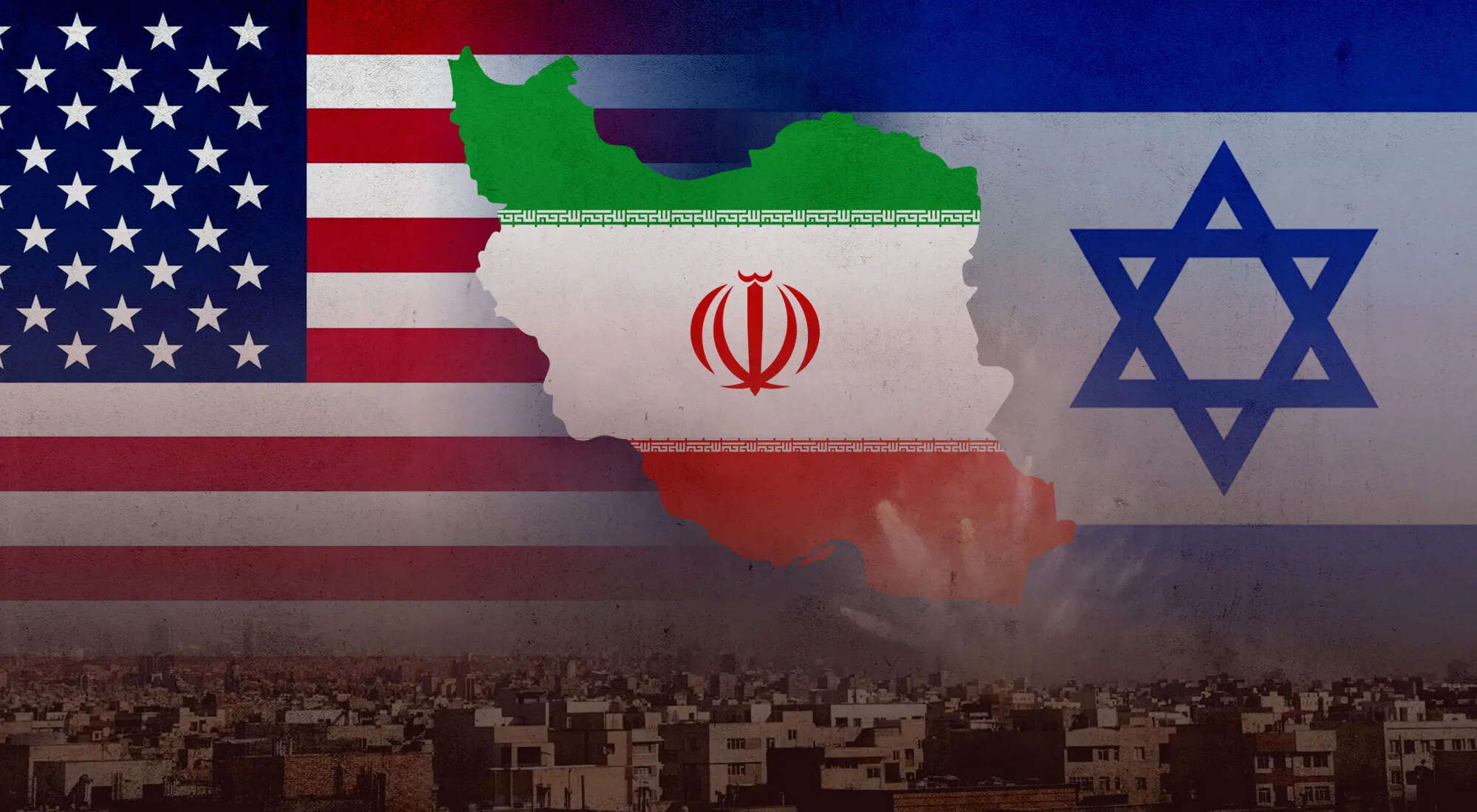
This article dissects Qala's lead single 'Ghode Pe Sawaar', through a feminist lens.
May 2, 20265 min
#ghodey pe sawaar#urmila#qalas+4 more
Beyond Headlines: The war of West Asia from youth's lens
Article
Features

Beyond Headlines: The war of West Asia from youth's lens

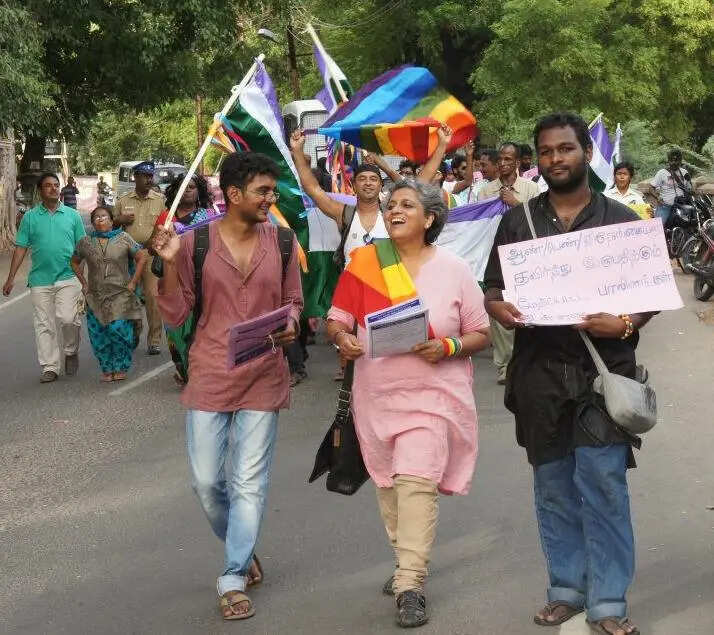
Has the popularity of social media hastened war news reporting or sensationalism? Does the youth of today find themselves torn between deciphering real news and misniformation? This article aims to look beyond the surface and uncover the answers to these questions and more.
Apr 24, 20266 min
#west asia#prabhjot kaur#point+3 more
Certified Out of Existence: Why India's 2026 Trans Amendment Bill faced severe backlash
Article
Features

Certified Out of Existence: Why India's 2026 Trans Amendment Bill faced severe backlash

On March 13, 2026, India's government introduced the Transgender Persons (Protection of Rights) Amendment Bill in the Lok Sabha, which swiftly passed both houses by March 25 and became law despite widespread protests from trans activists, lawyers, and opposition parties. The bill scraps self-identification for gender—upheld in the 2014 NALSA Supreme Court judgment—replacing it with mandatory medical certification by a board and District Magistrate approval, while limiting recognition to hijra, kinner, and intersex groups, effectively sidelining trans men, women, and non-binary individuals. It also imposes severe penalties, including life imprisonment, for "coercing" others into transgender identity, which critics fear could criminalize family and allies. Activists like Krishanu, Raghavi, Aryan Pasha, and Kanmani slammed it as unconstitutional (breaching Articles 14, 15, 19, 21), arbitrary, and reminiscent of colonial-era laws like the Criminal Tribes Act, with protests erupting in cities from Delhi to Hyderabad. Amid global anti-trans backsliding (e.g., TGEU's 2025 index, US and UK developments), figures like Aakar Patel of Amnesty International India decried it as state overreach on inherent identity. Affecting ~487,803 trans persons (only ~32,500 with ID cards), the law unravels hard-won rights, framing the fight as one for the state's recognition of self-naming over official control.

Apr 24, 20266 min
#bill#lok sabha#supreme court+2 more
11,000 litres of milk: Spiritual offering or extreme prolifigacy?
Article
Features

11,000 litres of milk: Spiritual offering or extreme prolifigacy?

Video Controversy SynopsisA video from April 9, 2026, showing 11,000 liters of milk (worth ₹5.5–7.7 lakh) poured into the Narmada River during a religious ritual sparked national outrage online, pitting devotion against accusations of waste, excess, and environmental harm.Public BacklashSocial media users condemned the act as irresponsible amid food insecurity and river pollution risks, arguing the milk should have fed the needy instead of treating the river like a "sink."Defenses and Expert WarningsSupporters defended it as sincere faith, but environmentalists like Subhash Pandey and Ajay Dube highlighted ecological damage: the organic load depletes oxygen, harms aquatic life, drinking water, and local communities.Broader ImplicationsThe Narmada's cultural significance amplified the debate, turning a local ritual into a flashpoint on balancing tradition with ethics, responsibility, and river health—raising timeless questions on when devotion crosses into waste.

Apr 24, 20264 min
#narmada#subhash pandey#ajay dube+2 more
BENNETT DIALOGUES launch with the War in West Asia
Article
Campus

BENNETT DIALOGUES launch with the War in West Asia

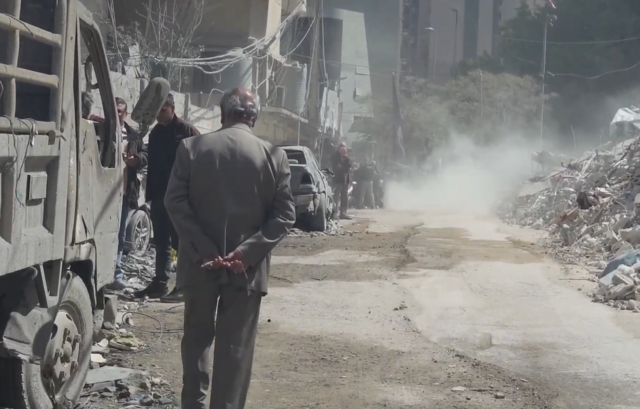
Bennett University has launched BENNETT DIALOGUES, a fortnightly talk series conceptualized by Chancellor Vineet Jain (Times Group MD) to help students grasp global geopolitical shifts. Led by Prof. Dhiraj Singh (Head, Centre for Media & Technology), it features informal fireside chats and Q&A with experts in geopolitics, business, and media. The series aims to connect world events to everyday impacts, like how the US-Israel-Iran war affects India's petrol and LPG prices. The inaugural edition on April 21 explores "The War in West Asia," with Times Now's Zakka Jacob and Dr. Waiel Awwad (Syrian-origin expert on West Asia conflicts, based in Delhi). Prof. Singh highlights its blend of Times Group media legacy and Bennett's academic excellence, benefiting media, liberal arts, business, and law students.
Apr 18, 20262 min
#dialogues#zakka jacob#dhiraj singh+3 more
War bugle disguised as a ceasefire: Examining Lebanon's situation post Israeli air strikes
Article
Features

War bugle disguised as a ceasefire: Examining Lebanon's situation post Israeli air strikes

On April 8, a fragile ceasefire briefly eased global tensions after 40 days of war between Israel, Iran, and allies, announced by Trump on Truth Social and confirmed by Iran and Pakistan's PM Shehbaz Sharif, who brokered it. Celebrations ensued worldwide as markets surged and oil prices fell, until Israeli jets struck Lebanon that morning, killing 357 civilians in what Beirut dubbed "Black Wednesday," while Israel excluded Lebanon from the deal. No formal agreement exists; conflicting statements emerged immediately, with Pakistan and Iran insisting it covered Lebanon, but Israel and the US rejecting that after a Trump-Netanyahu call. Lebanon, already devastated with over 2,000 deaths since March, was sidelined in a multi-front conflict involving Hezbollah, Iraqi militias, and Gulf interceptions. Post-ceasefire issues mounted: Iran kept the Strait of Hormuz choked, charging exorbitant fees and slashing traffic from 110 daily ships to four. Historic US-Iran talks in Islamabad on April 11 collapsed, prompting a US naval blockade that doubled down on the disruption, halting all oil route traffic (20% of global supply). The two-week truce window lasts until April 22 amid ongoing messages, but optimism fades after the deadliest civilian day coincided with its announcement.

Apr 17, 20264 min
#lebanon#trump#iran+5 more