


Times of Bennett
ArticleFeatures

Where Students Learn As They Play

Harshit Mansukhani

Published:February 20, 2020 at 11:35 AM5 min read
Where Students Learn As They Play
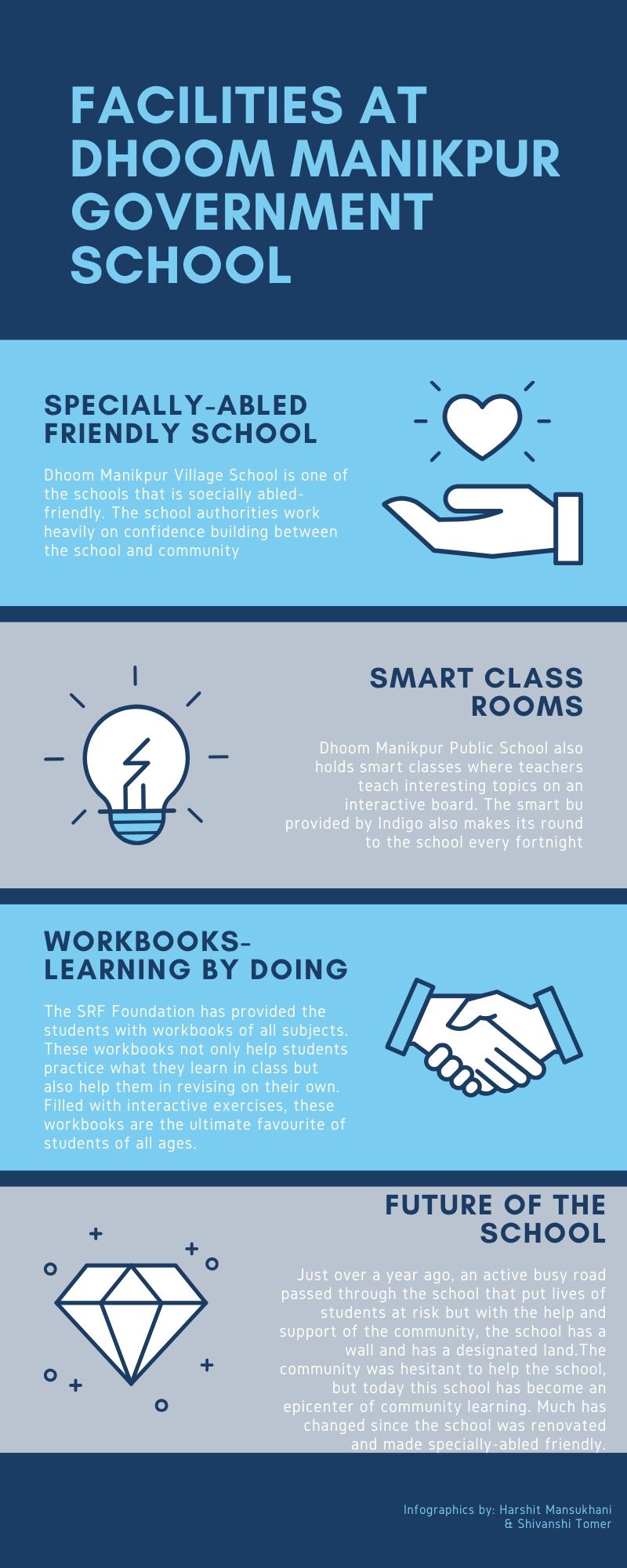
Dhoom Manikpur Village Primary and Upper-Primary School in Dadri, Greater Noida has become a role model for other schools on many fronts. It is the only school in its neighborhood to have student-friendly facilities which give equal opportunities to all students including specially-abled students.

Just over a year ago, an active busy road passed through the school that put the lives of students at risk. Now, with the help of SRF Foundation and support of the community, the school has successfully built a boundary wall to ensure the safety and security of the students.

Initially, the community was hesitant to help the school, but today this school has become an epicenter of community learning. Much has changed since the school was renovated and making it one of its kind school in the area which is also open to specially-abled students.

Dhoom Manikpur now boasts district level badminton teams, successful Beti Bachao Beti Padhao Abhiyan (BBBP) activities, community teaching, smart classes and almost everything that a private ought to have.


Better Toilets- A big boon

The toilets here were never in a functioning condition. They used to stink and going there used to be a challenge for us. Now, not only the toilets are regularly maintained but are also cleaned every day,” said Priya, a class 8th student.

“My parents were going to strike my name off the school list due to dearth of facilities, but now with so many new facilities I have even enrolled my sister’s name here,” said Pooja, a class 8th student.

“With clean drinking water, functioning toilets and hygienic conditions, the girls are now regular to school. Some of them even have 100% attendance,” said Ms. Shushma Rani, Principal, Primary School Dhoom Manikpur.


Workbooks- Learning by Doing

The SRF Foundation has provided the students with workbooks of all subjects. These workbooks not only help students practice what they learn in class but also help them in revising on their own. Filled with interactive exercises, these workbooks are the ultimate favourite of students of all ages.

“We are provided with new workbooks every month. This has not only helped us revise our lessons but also helps us get a better understanding of things,” said Kiran, Class 8.

“I used to hate Mathematics earlier as I never used to understand formulas, but now with workbooks, I can now practice and learn on my own which has made Mathematics my favorite subject,” said Jwala, Class 8.

Tracksuits and Sports Shoes- Helping students play better

[gallery ids="742,728,724"]

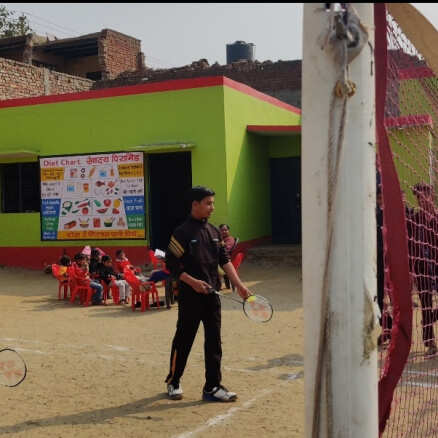
SRF Foundation has also provided students from Class 6th to 8th tracksuits and sports shoes to help them engage in different sports activities with ease. These new clothes have brought some genuine smiles which was written large across the face of students.

“We got these next track suits last week. We are really happy to get this as we can now play badminton easily which we were not able to in our school uniform,” said Payal, a class 7th student.

“We recently got brand new sports shoes to help us play badminton. I make sure I clean the dust off them the moment I reach back home. These shoes are very dear to me as they are my first ever sports shoes," said Supriya, a 6th class student.

Playing it the right way- Badminton
IndiGo has partnered with Yonex to provide badminton racquets in all schools to help students get the best of amenities. SRF Foundation extends their help of leveling badminton courts and ensuring that all equipments reach the schools.

Dhoom Manikpur School is also home to the district level badminton team and players. Their days start with basic exercises followed by practice matches.

“Our school never had any kind of sports equipments. Now we not only have our own badminton court but also the best quality badminton racquets. We spend most of our time practicing and getting better at badminton,” said Rukhsar a class 7th student.

“We have been assigned a coach specially to train us in the field of badminton. We are no not only getting better in Badminton but are also realizing how much we like playing the sport. We are really happy to get such facilities in a small school like Dhoom Manikpur,” said Durga, a class 7th student.


Looking at Future


A leaky roof, broken furniture, unpainted walls, stinky washrooms- These descriptions are enough to make you imagine a school with almost nothing to help a student learn and grow.

The condition of Primary School Dhoom Manikpur has drastically changed in the past two years with better infrastructure, clean toilets, new books and much more. All the changes have been brought about by the SRF Foundation, who are carrying the CSR initiative of IndiGo to improve the condition of schools all over India.

While better school infrastructure has helped ignite the student’s interest of coming to school, the provision of separate toilets has played a big role in increasing the girl student’s attendance ratio.

Text by: Shivanshi Tomer & Harshit Mansukhani
Photos by: Anurag Kumar & Shivanshi Tomer


Tags
#equipments#Toilets#dhoom manikpur#schools#Shivanshi#Badminton#IndiGo

About the Author

Harshit Mansukhani

Times of Bennett

Student journalist covering news and events at Bennett University.

Related Articles

Unravelling The Language Of Consent In Qala's “Ghodey Pe Sawaar”
Article
Popculture

Unravelling The Language Of Consent In Qala's “Ghodey Pe Sawaar”

This article dissects Qala's lead single 'Ghode Pe Sawaar', through a feminist lens.
May 2, 20265 min
#ghodey pe sawaar#urmila#qalas+4 more
Beyond Headlines: The war of West Asia from youth's lens
Article
Features

Beyond Headlines: The war of West Asia from youth's lens

Has the popularity of social media hastened war news reporting or sensationalism? Does the youth of today find themselves torn between deciphering real news and misniformation? This article aims to look beyond the surface and uncover the answers to these questions and more.
Apr 24, 20266 min
#west asia#prabhjot kaur#point+3 more
Certified Out of Existence: Why India's 2026 Trans Amendment Bill faced severe backlash
Article
Features

Certified Out of Existence: Why India's 2026 Trans Amendment Bill faced severe backlash

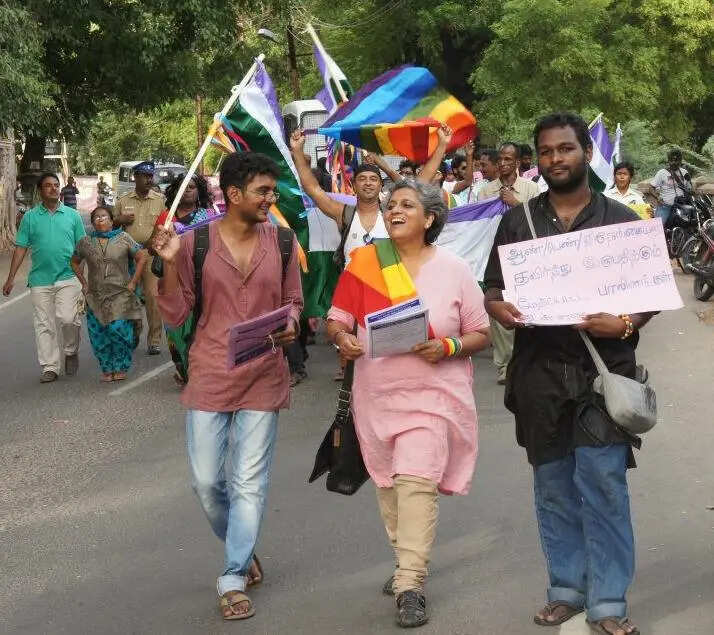
On March 13, 2026, India's government introduced the Transgender Persons (Protection of Rights) Amendment Bill in the Lok Sabha, which swiftly passed both houses by March 25 and became law despite widespread protests from trans activists, lawyers, and opposition parties. The bill scraps self-identification for gender—upheld in the 2014 NALSA Supreme Court judgment—replacing it with mandatory medical certification by a board and District Magistrate approval, while limiting recognition to hijra, kinner, and intersex groups, effectively sidelining trans men, women, and non-binary individuals. It also imposes severe penalties, including life imprisonment, for "coercing" others into transgender identity, which critics fear could criminalize family and allies. Activists like Krishanu, Raghavi, Aryan Pasha, and Kanmani slammed it as unconstitutional (breaching Articles 14, 15, 19, 21), arbitrary, and reminiscent of colonial-era laws like the Criminal Tribes Act, with protests erupting in cities from Delhi to Hyderabad. Amid global anti-trans backsliding (e.g., TGEU's 2025 index, US and UK developments), figures like Aakar Patel of Amnesty International India decried it as state overreach on inherent identity. Affecting ~487,803 trans persons (only ~32,500 with ID cards), the law unravels hard-won rights, framing the fight as one for the state's recognition of self-naming over official control.

Apr 24, 20266 min
#bill#lok sabha#supreme court+2 more
11,000 litres of milk: Spiritual offering or extreme prolifigacy?
Article
Features

11,000 litres of milk: Spiritual offering or extreme prolifigacy?

Video Controversy SynopsisA video from April 9, 2026, showing 11,000 liters of milk (worth ₹5.5–7.7 lakh) poured into the Narmada River during a religious ritual sparked national outrage online, pitting devotion against accusations of waste, excess, and environmental harm.Public BacklashSocial media users condemned the act as irresponsible amid food insecurity and river pollution risks, arguing the milk should have fed the needy instead of treating the river like a "sink."Defenses and Expert WarningsSupporters defended it as sincere faith, but environmentalists like Subhash Pandey and Ajay Dube highlighted ecological damage: the organic load depletes oxygen, harms aquatic life, drinking water, and local communities.Broader ImplicationsThe Narmada's cultural significance amplified the debate, turning a local ritual into a flashpoint on balancing tradition with ethics, responsibility, and river health—raising timeless questions on when devotion crosses into waste.
Apr 24, 20264 min
#narmada#subhash pandey#ajay dube+2 more
BENNETT DIALOGUES launch with the War in West Asia
Article
Campus

BENNETT DIALOGUES launch with the War in West Asia

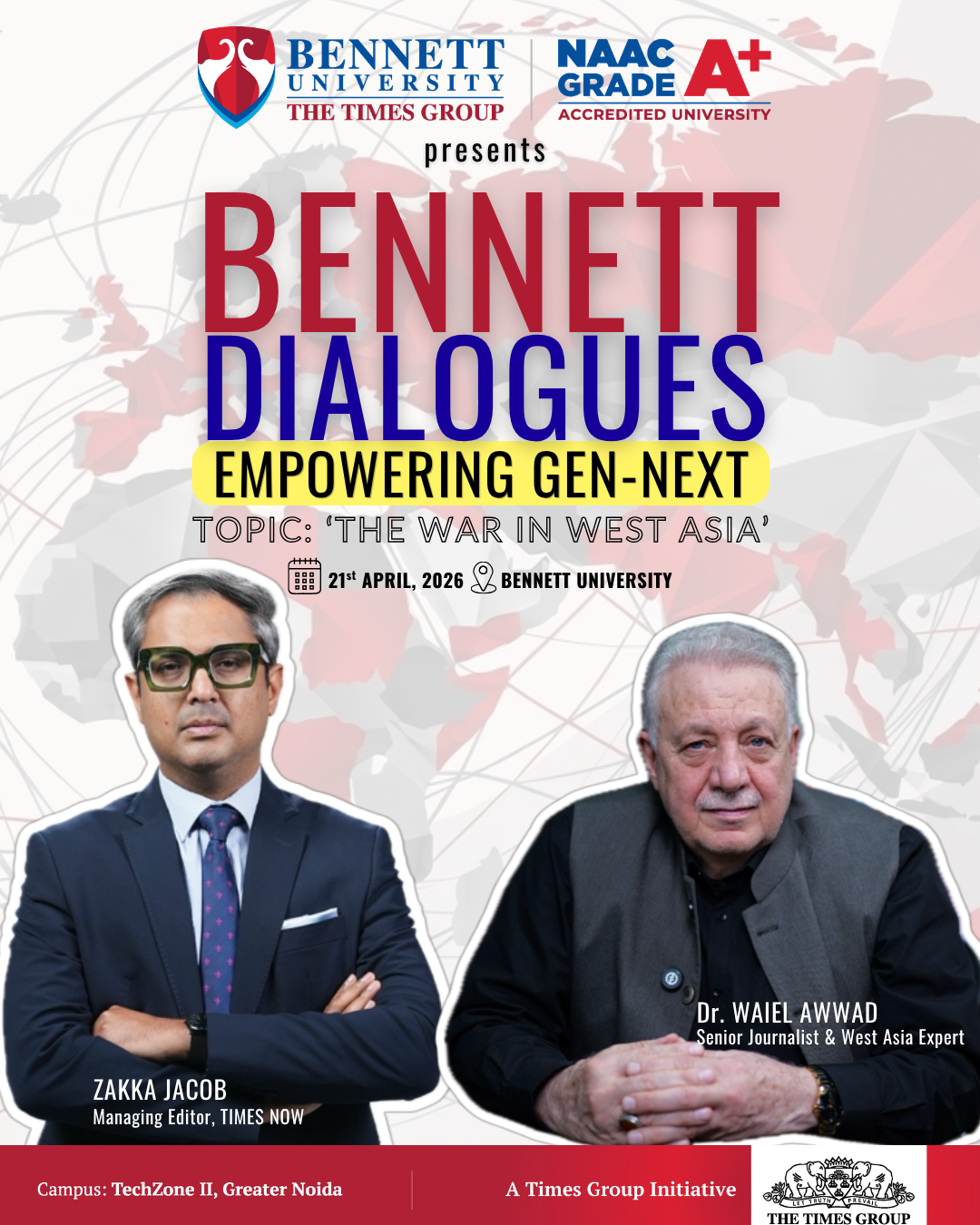
Bennett University has launched BENNETT DIALOGUES, a fortnightly talk series conceptualized by Chancellor Vineet Jain (Times Group MD) to help students grasp global geopolitical shifts. Led by Prof. Dhiraj Singh (Head, Centre for Media & Technology), it features informal fireside chats and Q&A with experts in geopolitics, business, and media. The series aims to connect world events to everyday impacts, like how the US-Israel-Iran war affects India's petrol and LPG prices. The inaugural edition on April 21 explores "The War in West Asia," with Times Now's Zakka Jacob and Dr. Waiel Awwad (Syrian-origin expert on West Asia conflicts, based in Delhi). Prof. Singh highlights its blend of Times Group media legacy and Bennett's academic excellence, benefiting media, liberal arts, business, and law students.
Apr 18, 20262 min
#dialogues#zakka jacob#dhiraj singh+3 more
War bugle disguised as a ceasefire: Examining Lebanon's situation post Israeli air strikes
Article
Features

War bugle disguised as a ceasefire: Examining Lebanon's situation post Israeli air strikes

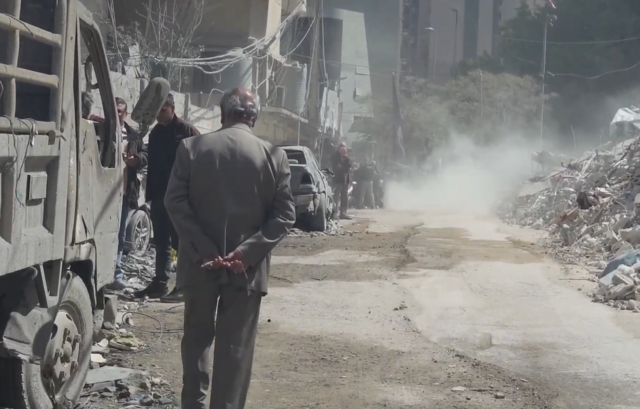
On April 8, a fragile ceasefire briefly eased global tensions after 40 days of war between Israel, Iran, and allies, announced by Trump on Truth Social and confirmed by Iran and Pakistan's PM Shehbaz Sharif, who brokered it. Celebrations ensued worldwide as markets surged and oil prices fell, until Israeli jets struck Lebanon that morning, killing 357 civilians in what Beirut dubbed "Black Wednesday," while Israel excluded Lebanon from the deal. No formal agreement exists; conflicting statements emerged immediately, with Pakistan and Iran insisting it covered Lebanon, but Israel and the US rejecting that after a Trump-Netanyahu call. Lebanon, already devastated with over 2,000 deaths since March, was sidelined in a multi-front conflict involving Hezbollah, Iraqi militias, and Gulf interceptions. Post-ceasefire issues mounted: Iran kept the Strait of Hormuz choked, charging exorbitant fees and slashing traffic from 110 daily ships to four. Historic US-Iran talks in Islamabad on April 11 collapsed, prompting a US naval blockade that doubled down on the disruption, halting all oil route traffic (20% of global supply). The two-week truce window lasts until April 22 amid ongoing messages, but optimism fades after the deadliest civilian day coincided with its announcement.

Apr 17, 20264 min
#lebanon#trump#iran+5 more