Jewar: The burden of development
By Sakshi Garg, Times of Bennett | Updated: Feb 26, 2020 07:53
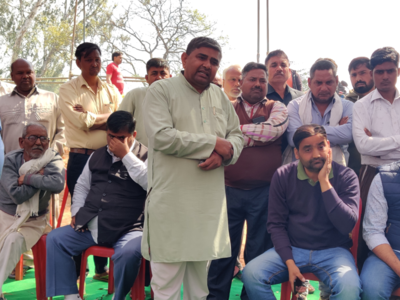
False promises, insufficient remuneration, and fear of losing a livelihood are the main reasons why the villagers in Jewar have been seen to oppose the land acquisition and resettlement for the proposed international airport.
The categorization of their region as ‘urban’ is another reason why the farmers are annoyed. This categorization makes them eligible for a compensation of two times the circle rate. Whereas, under the Land Acquisition Rehabilitation and Resettlement Act, 2013, in the rural region the compensation is four times the circle rate.
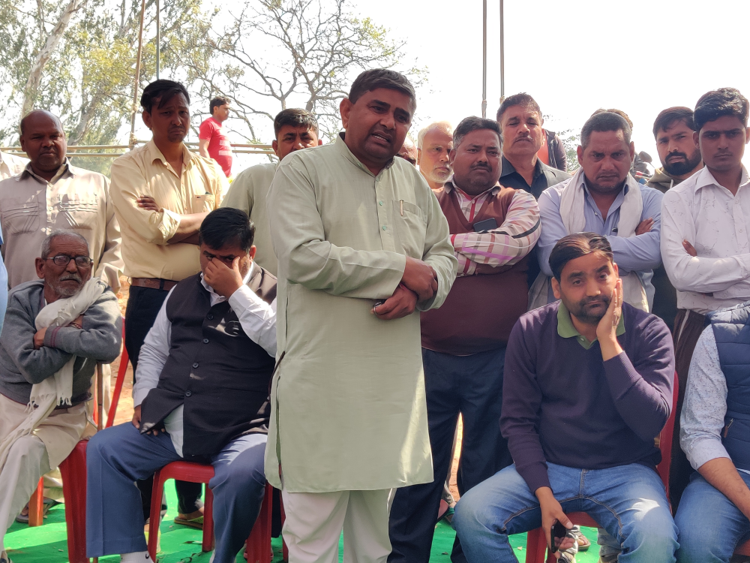
“They were already not giving us the exact hectares of land we owned. Now they have changed the region to ‘urban’ which further decreases our compensation,” saidBhagwaan Singh , Gram Pradhanpati . He was peeved about getting only half of the covered area one owned.
Development for a new life or destruction of the old?
“The Prime Minister and the Chief Minister have been harassing us for the past three years. It’s all part of a political agenda. We voted for BJP thinking they will do some good for us but now they have deceived us,” said Virendera Singh, a resident of the village.
The unfulfilled promises
MLADhiran Singh came and addressed the people that if they agree for the Airport construction in their village then many developments will be done by the government and this town will be on the world map. Hospitals, education hub, employment to the people of the village, multinational companies and better infrastructure for the people of the village was also proposed by the government.
From 2013 the land rate has not increased. The compensation which was promised to be given to the villagers was fake. They promised to give 5.5 lakh to the member of the family along with the plot.
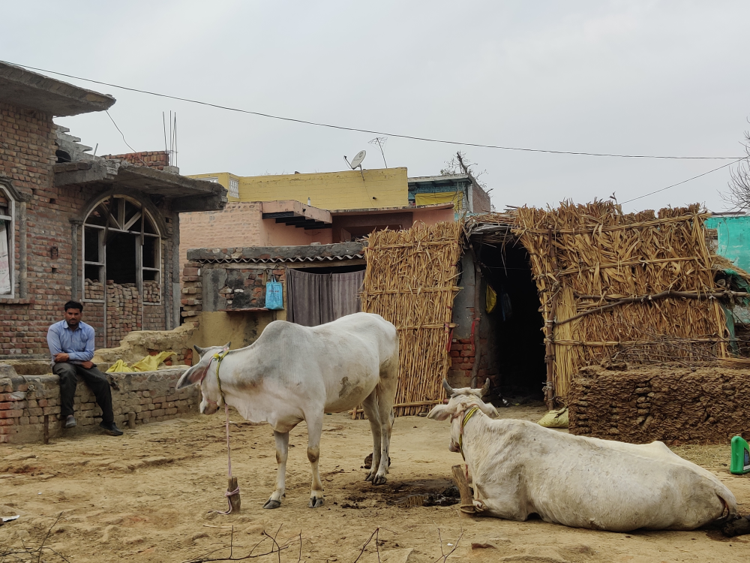
They promised that children above 18 years will get compensation but then this promise was not fulfilled by the government. Villagers of Ruhi have been cheated and now forced to leave the village because of the construction of the Airport.
Fighting against the wrong
Few farmers ofRohi village filed cases before the Allahabad high court refusing to give their land and seeking higher compensation. The issue of compensation has created a legal controversy as the villagers are being offered a little over twice the circle rate for urban areas.
“The government has declared the region as ‘urban’ just so that the Pradhan (Head of the Village) becomes powerless,” said Mahesh, the lawyer representingRohi village.
Virendra Singh , a resident of Rohi village, claimed that he has not been allotted any plot yet as was assured by the administration alongside monetary compensation for the land that was acquired for the airport project.
“I feel this is a big political conspiracy as we have been lied to when the officials wanted us to sign the agreement. They had always claimed that fair compensation will be awarded to every villager. But they never explained their eligibility criteria, which has robbed my fellow villagers,” saidVirendra Singh .
The agreement states that any person is a taxpayer of Rs 3 lakh or above, any government employee or any person who left the village 4 or more years ago is not eligible for the compensation of Rs 5.5 lakhs and a job offer from the nearby industrial region.
Rohi Village and its life
Podcast by Ashish Singh
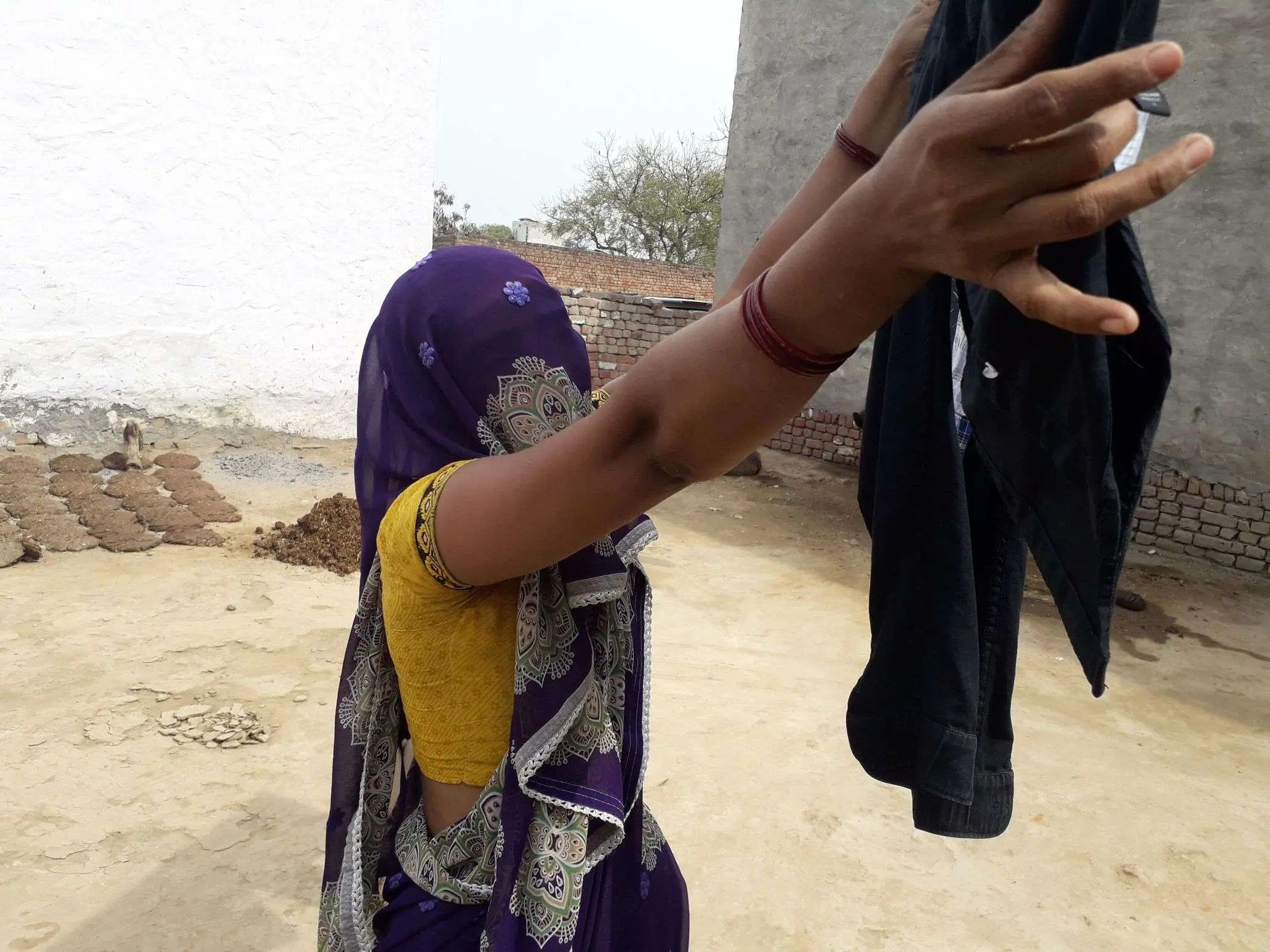
The Pradhanpati claimed that Rohi village is the most peaceful place when it comes to regional riots. The village has never witnessed any major disasters and every home in the area has sent away a soldier to the border to fight for the country. “The village has not been positively impacted by the airport project,” said Pradhanpati.
Rohi village is one of the villages among others where theYamuna Expressway Industrial Development Authority (YEIDA) is acquiring land for the upcoming Jewar International Airport or Noida Airport. This village has been seen to be impacted the most because the plan proposes that the village has to be raised down and resettled somewhere else.
Text by Sakshi Garg, Rishika Singh and Nishita Singh Bundela
Photos by Sakshi Garg and Rishika Singh
Podcast by Ashish Singh
Multimedia Report by Group 4
The categorization of their region as ‘urban’ is another reason why the farmers are annoyed. This categorization makes them eligible for a compensation of two times the circle rate. Whereas, under the Land Acquisition Rehabilitation and Resettlement Act, 2013, in the rural region the compensation is four times the circle rate.
“They were already not giving us the exact hectares of land we owned. Now they have changed the region to ‘urban’ which further decreases our compensation,” said
Development for a new life or destruction of the old?
“The Prime Minister and the Chief Minister have been harassing us for the past three years. It’s all part of a political agenda. We voted for BJP thinking they will do some good for us but now they have deceived us,” said Virendera Singh, a resident of the village.
The unfulfilled promises
MLA
From 2013 the land rate has not increased. The compensation which was promised to be given to the villagers was fake. They promised to give 5.5 lakh to the member of the family along with the plot.
They promised that children above 18 years will get compensation but then this promise was not fulfilled by the government. Villagers of Ruhi have been cheated and now forced to leave the village because of the construction of the Airport.
Fighting against the wrong
Few farmers of
“The government has declared the region as ‘urban’ just so that the Pradhan (Head of the Village) becomes powerless,” said Mahesh, the lawyer representing
“I feel this is a big political conspiracy as we have been lied to when the officials wanted us to sign the agreement. They had always claimed that fair compensation will be awarded to every villager. But they never explained their eligibility criteria, which has robbed my fellow villagers,” said
The agreement states that any person is a taxpayer of Rs 3 lakh or above, any government employee or any person who left the village 4 or more years ago is not eligible for the compensation of Rs 5.5 lakhs and a job offer from the nearby industrial region.
Rohi Village and its life
Podcast by Ashish Singh
The Pradhanpati claimed that Rohi village is the most peaceful place when it comes to regional riots. The village has never witnessed any major disasters and every home in the area has sent away a soldier to the border to fight for the country. “The village has not been positively impacted by the airport project,” said Pradhanpati.
Rohi village is one of the villages among others where the
Text by Sakshi Garg, Rishika Singh and Nishita Singh Bundela
Photos by Sakshi Garg and Rishika Singh
Podcast by Ashish Singh
Multimedia Report by Group 4