Times of Bennett
ArticleFeatures

Job cuts took away purchasing power during festivals

This festive season has been unlike any due to the ongoing pandemic. The purchasing power is held by very few as the vibrancy of the season is not enjoyed by everyone. Here is how the season went this time
Published:January 30, 2022 at 05:08 PM2 min read
Job cuts took away purchasing power during festivals
By SASHA RASTOGI

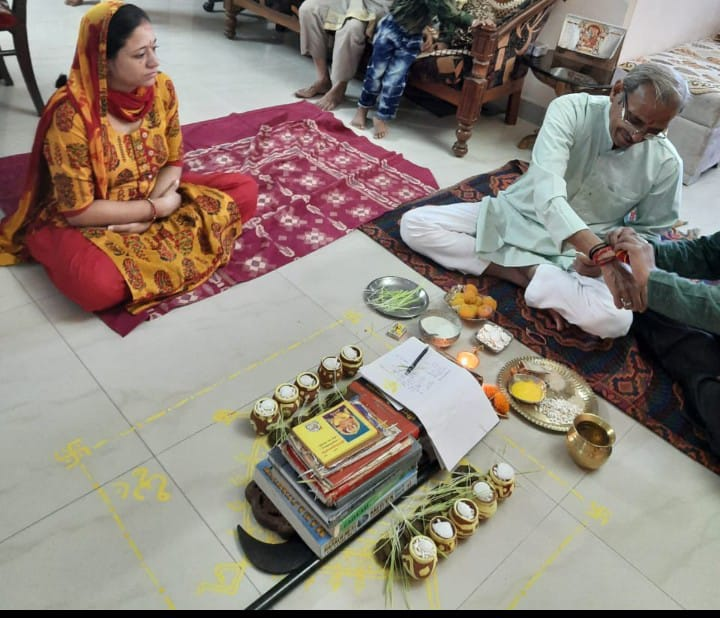
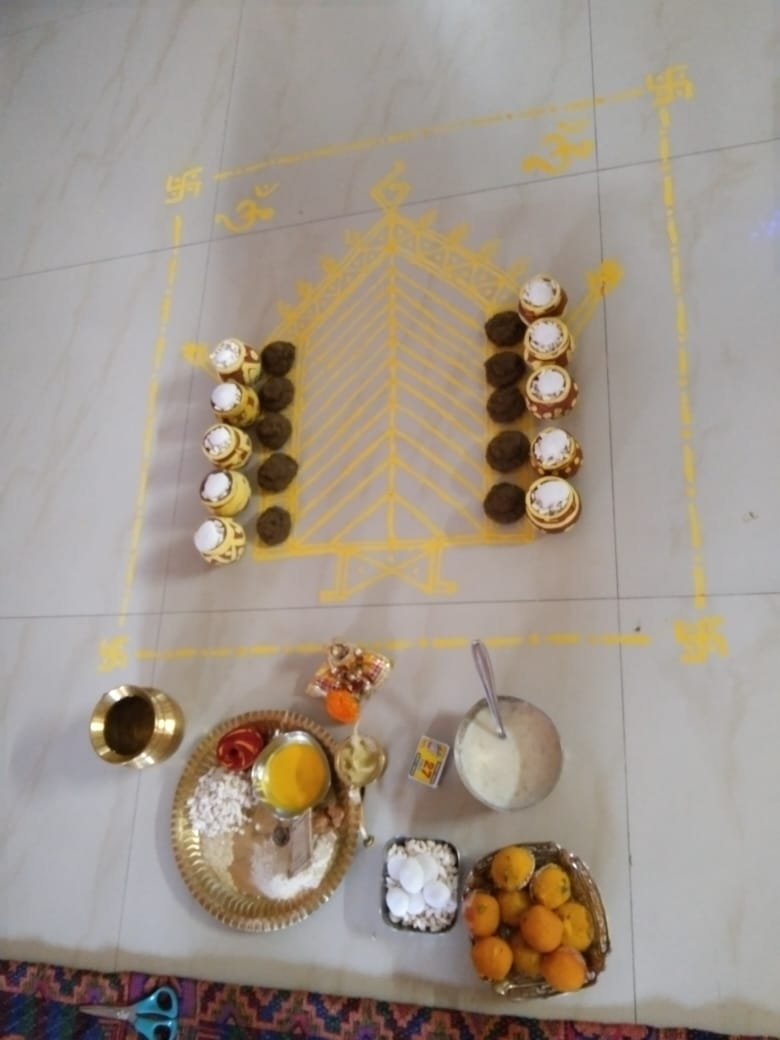
SAHIBABAD: It was a subdued Durga Pooja and Dussehra here this year due to COVID-19 constraints and many people having lost their jobs due to the pandemic.

“The pandemic has taken the enthusiasm and fun out of festivals with only a few having the purchasing power to make festival purchases,” local resident Sushma Rajvanshi said.

Traditionally, families here celebrate the occasion by performing rituals and gathering in the evening to see the burning of Ravan’s effigies. However, due to the pandemic, very few and small effigies were lighted this year.

Even the Sanatan Dharm Mandir had carefully curated rules to prevent the spread of the virus. “We have posted notices everywhere asking the devotees to wear masks. Also, a foot-operated sanitiser dispenser has been placed at the entrance,” temple priest Harbhajan said. Until a month ago, the temple had removed albells and had requested all to bring their own ‘lotas’ - small containers - and ‘Diya’s’ - clay tealights - as a preventive measure.

The temple had only 8-10 people but not all were wearing masks. Due to the dip in cases, people may have started taking protocols lightly. However, this Dussehra the business was far from brisk as not many people are still stepping out.

“Sales during Dussehra this year have dropped by approximately 40 per cent as compared to pre-Covid time Dussehra time,” said Sumit Mittal, owner of the well-known Sagar Saree Emporium

Shopkeepers from a couple of more shops in the market gave a similar response.

Customers are just about trickling in. Mittal says, this is owing to fact that many people lost their jobs due to COIVD-19 lockdown and rising unemployment has led to the loss of purchasing power.

“Also, people are still avoiding venturing out fearing the deadly virus,” he added.

Mittal is one of the few businessmen who has continued to pay his workers.

“It depends on people’s thought process, but when profits in the business go down, it does affect you both mentally and physically ”. These times are unpredictable and pandemic end is still unforeseen.

“These are testing times and coping with it is not always easy. “However, safety comes first and we must co-operate until we can celebrate festivals with unbridled joy,” Mittal said.


Tags
#dussehra#mittal#sushma rajvanshi#sumit mittal#sanitiser dispenser

Related Articles

Gloria Steinem: A Mortal Heroine
Article
Features

Gloria Steinem: A Mortal Heroine

The article examines Gloria Steinem’s complex feminist legacy, acknowledging both her contributions to the movement and criticisms of her approach to intersectionality. It argues against idealizing or demonizing public figures, urging readers to recognize their complexities and the collective nature of social movements.

Oct 19, 20265 min
#steinem#gloria steinem#white feminism+2 more
I Buy, Therefore I Am
Article
Features

I Buy, Therefore I Am

The article explores how capitalism, social media influencers, and FOMO fuel modern consumerism, turning everyday products into symbols of status and identity. It questions whether we buy things out of genuine need or a manufactured desire to fit in.

Oct 19, 20263 min
#labubu#stanley#fomo+5 more
Unravelling The Language Of Consent In Qala's “Ghodey Pe Sawaar”
Article
Popculture

Unravelling The Language Of Consent In Qala's “Ghodey Pe Sawaar”

This article dissects Qala's lead single 'Ghode Pe Sawaar', through a feminist lens.

May 2, 20265 min
#ghodey pe sawaar#urmila#qalas+4 more
Beyond Headlines: The war of West Asia from youth's lens
Article
Features

Beyond Headlines: The war of West Asia from youth's lens

Has the popularity of social media hastened war news reporting or sensationalism? Does the youth of today find themselves torn between deciphering real news and misniformation? This article aims to look beyond the surface and uncover the answers to these questions and more.
Apr 24, 20266 min
#west asia#prabhjot kaur#point+3 more
Certified Out of Existence: Why India's 2026 Trans Amendment Bill faced severe backlash
Article
Features

Certified Out of Existence: Why India's 2026 Trans Amendment Bill faced severe backlash

On March 13, 2026, India's government introduced the Transgender Persons (Protection of Rights) Amendment Bill in the Lok Sabha, which swiftly passed both houses by March 25 and became law despite widespread protests from trans activists, lawyers, and opposition parties. The bill scraps self-identification for gender—upheld in the 2014 NALSA Supreme Court judgment—replacing it with mandatory medical certification by a board and District Magistrate approval, while limiting recognition to hijra, kinner, and intersex groups, effectively sidelining trans men, women, and non-binary individuals. It also imposes severe penalties, including life imprisonment, for "coercing" others into transgender identity, which critics fear could criminalize family and allies. Activists like Krishanu, Raghavi, Aryan Pasha, and Kanmani slammed it as unconstitutional (breaching Articles 14, 15, 19, 21), arbitrary, and reminiscent of colonial-era laws like the Criminal Tribes Act, with protests erupting in cities from Delhi to Hyderabad. Amid global anti-trans backsliding (e.g., TGEU's 2025 index, US and UK developments), figures like Aakar Patel of Amnesty International India decried it as state overreach on inherent identity. Affecting ~487,803 trans persons (only ~32,500 with ID cards), the law unravels hard-won rights, framing the fight as one for the state's recognition of self-naming over official control.

Apr 24, 20266 min
#bill#lok sabha#supreme court+2 more
11,000 litres of milk: Spiritual offering or extreme prolifigacy?
Article
Features

11,000 litres of milk: Spiritual offering or extreme prolifigacy?

Video Controversy SynopsisA video from April 9, 2026, showing 11,000 liters of milk (worth ₹5.5–7.7 lakh) poured into the Narmada River during a religious ritual sparked national outrage online, pitting devotion against accusations of waste, excess, and environmental harm.Public BacklashSocial media users condemned the act as irresponsible amid food insecurity and river pollution risks, arguing the milk should have fed the needy instead of treating the river like a "sink."Defenses and Expert WarningsSupporters defended it as sincere faith, but environmentalists like Subhash Pandey and Ajay Dube highlighted ecological damage: the organic load depletes oxygen, harms aquatic life, drinking water, and local communities.Broader ImplicationsThe Narmada's cultural significance amplified the debate, turning a local ritual into a flashpoint on balancing tradition with ethics, responsibility, and river health—raising timeless questions on when devotion crosses into waste.

Apr 24, 20264 min
#narmada#subhash pandey#ajay dube+2 more