

Times of Bennett
ArticleFeatures

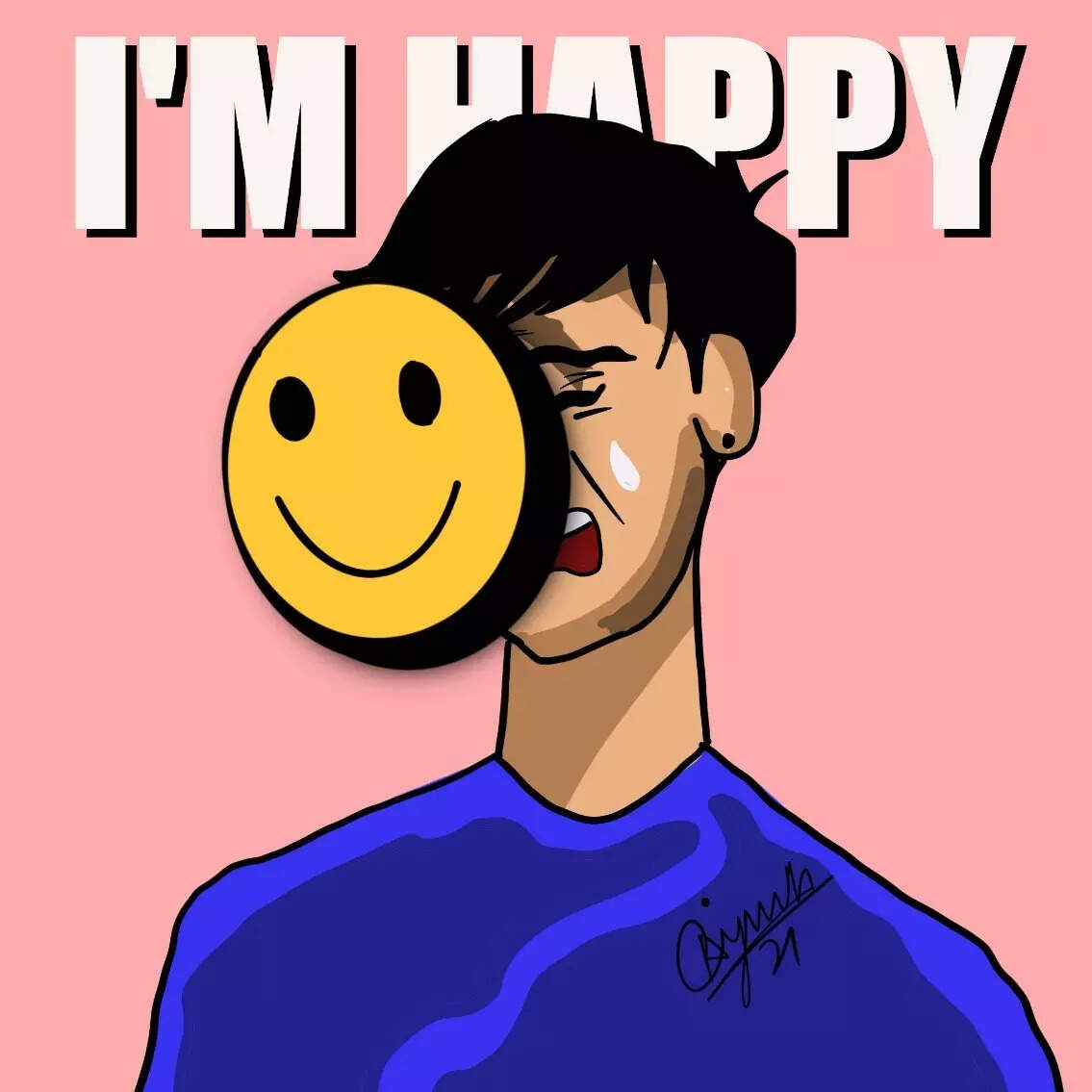
There is danger lurking behind that smile

There is danger lurking behind that smile

Published:August 26, 2021 at 11:56 AM8 min read
There is danger lurking behind that smile
By Smriti Goyal


Are you also among the ones who pretend to look happy but struggle with depressive thoughts on a daily basis? Are you the one who wears a commercial face mask to make everything look great, and at times perfect? Are you the one who offers no hint about any of your problems to the outside world? Well, you have a condition which psychologists call ‘smiling depression’. According to the National Institute of Mental Health, one out of every five adults is suffering from the condition.

Most people haven’t even heard of the term. The definition of smiling depression is appearing happy to others, literally smiling, while internally suffering with depressive symptoms. Smiling depression often goes undetected because people don’t even realize that they are depressed. It doesn’t seem possible that someone can be smiling, chipper, functioning, and at the same time depressed.

Dr Pranay Priya, a psychologist working in Patna, says, “Depression is not just about being bed-ridden and incapable of functioning. Smiling depression is wearing a mask. With their mask on, people maintain a full-time job, run a family household, participate in sports and have a fairly active social life. However, underneath the mask they suffer from sadness, panic attacks, low self-esteem, insomnia, and sometimes suicidal thoughts as well.”

Pranay adds that each person’s experience is different with smiling depression. It’s possible to feel just one or many of these symptoms. People often discount their own feelings and brush them aside. At times, they just don’t want to acknowledge the symptoms due to the fear of being considered ‘weak’. “So these are depressed people who look happy from the outside,” says Pranay.

Adarsh Tripathi (name changed), 17, says that he was always taught that boys are strong and are not allowed to express their feelings to the world. “I felt restless for a lot of things, but didn’t want my friends to see that and hence I always smiled,” he says.

Why is it important to understand and treat ‘smiling depression’? Dr RN Chatturvedi, a senior psychologist, says, “Smiling depression can be more dangerous than any other form of depression as individuals suffering from this condition are more likely to commit suicide.”

According to a certain study by the WHO in 2015, 36% of Indians suffer from major depression. Others are likely to suffer at some point or the other in their lives. It is a mental health disorder characterised by persistently depressed mood or loss of interest in activities, causing significant impairment in daily life. Smiling depression occurs when individuals mask their symptoms of depression.

Now, a question arises as to why people hide their depression? It starts with a person’s denial that they are depressed. They may think that as long as they are smiling, they won’t have depression. Most patients can’t admit that there might be something wrong with them. Another big reason to do so is to maintain ‘perfectionism’ amid the unrealistic norms of society.Admitting to depression would mean that their lives are less than perfect and they just cannot bring themselves to do that.

Sometimes they are fearful of burdening their loved ones with their problems and choose not to speak anything about them. At other times they are just embarrassed to talk about it as many of us still believe that depression is a character defect or a sign of weakness. Sometimes a person’s professionalism comes in the way of admitting about what they are going through while at other times, a person’s own guilt keeps him in denial. They might blame themselves for things going wrong and think they cannot be depressed and that it’s all their fault. So they keep it hidden behind a smile.

Geetanjali (name changed), a 21-year-old engineering student, shares her experience of being in a depressive phase. She says that she was always a bright student, which led her family to expect a lot from her. Though they never forced her to pursue engineering, she knew their expectations. “I started fearing failure. I always had this question in my mind as to what would happen if I failed,” says Geetanjali. She adds that she was scared of disappointing her parents. But she was happy around her friends, whom she calls her ‘real gems’.

Geetanjali says that her family is very supportive. Everyone loved her and she too loved everyone. But still there was something wrong inside her. “There was nothing to feel unhappy about but I still wasn’t happy,” she says. She never shared this feeling with anyone because she always felt there’s nothing to be shared in it and it was all her mind not wanting to work hard.

“I smiled but I wanted to cry for reasons I wasn’t able to figure out,” says Geetanjali. She recalls that one day her mother found her crying in the washroom, which she often used to do. Her mother asked her with utmost love and care and she just broke down in front of her. She says that she doesn’t know what all she spoke but she felt immense relief after that.

After that day, her mother always used to come to her and talk about her life and reassure her that she was doing her best and her mother would be equally happy even if she fails. Geetanjali adds that this simple talk therapy by her mother saved her from ruining her life and now she’s almost done with her engineering course and she’s not afraid of failure anymore. “I smile for real now and not just to show people that yes, I’m happy,” says Geetanjali.

There are several others like Geetanjali we might know but don’t recognise them for what they are. Whether it’s our favourite movie stars or our colleagues, the desire to fit into society can force everyone to put on that plastic smile throughout their lives. So how is one to know who the ones are who need our help?

It’s very common for people with smiling depression to work really hard to disguise their symptoms. So it’s important for us to know some obvious signs that we can look for in a person to know if he/she is suffering from any such kind of depression.

The loss of interest in things once they enjoyed is one of the most apparent signs one could see. Like in Adarsh’s case, he says that not being able to express created anxiety for him and he started losing interest in the things he liked the most. “My hands shivered whenever I played guitar and I felt like crying whenever I wanted to sing,” Adarsh says.

Sometimes there’s a change in the appetite too. Some may start overeating and some may completely lose their appetite. Changes in sleep is another apparent sign. Some people struggle to get out of bed while others may report insomnia. Some may just have a changed sleep cycle like staying awake at night and sleeping during the day. Guilt, worthlessness and feeling of hopelessness are other common problems these people go through.

At times, these people may even appear cheerful and optimistic. That is the reason it’s important to talk about mental health issues openly so that people don’t need to pretend.

Chatturvedi, who has 39 years’ experience as a psychologist, says, “People are leading a very stressful life nowadays and are becoming more vulnerable to developing depression. It is a major public health problem worldwide and ‘smiling depression’ is on the rise.”

He adds that smiling depression can be more dangerous than any other form of depression as it has the potential to force patients to commit suicide. Clinical depression patients sometimes lack the energy to create a plan and follow through on committing suicide. However, the ones suffering from smiling depression are highly functional and have the energy to take suicidal steps.

Chatturvedi further mentions that there are several people, especially adults, going through this pain of smiling but hardly any of them admits it. As long as they continue to deny or avoid what makes them feel empty, it will be impossible to fix the problem. When depressive thoughts and feelings aren’t addressed, they typically snowball and become worse. What matters most is to reach out to the ones who care. “Apart from counselling, meditation, talk therapy and a little change in lifestyle also helps a lot,” says Chatturvedi.

The good news is with the right treatment and support, the beautiful smile that hides depression can actually reflect the joy within.
Tags
#national institute of mental health#dr pranay priya#depression#mental health#importance of mental health#fighting depression

Related Articles

Unravelling The Language Of Consent In Qala's “Ghodey Pe Sawaar”
Article
Popculture

Unravelling The Language Of Consent In Qala's “Ghodey Pe Sawaar”

This article dissects Qala's lead single 'Ghode Pe Sawaar', through a feminist lens.

May 2, 20265 min
#ghodey pe sawaar#urmila#qalas+4 more
Beyond Headlines: The war of West Asia from youth's lens
Article
Features

Beyond Headlines: The war of West Asia from youth's lens

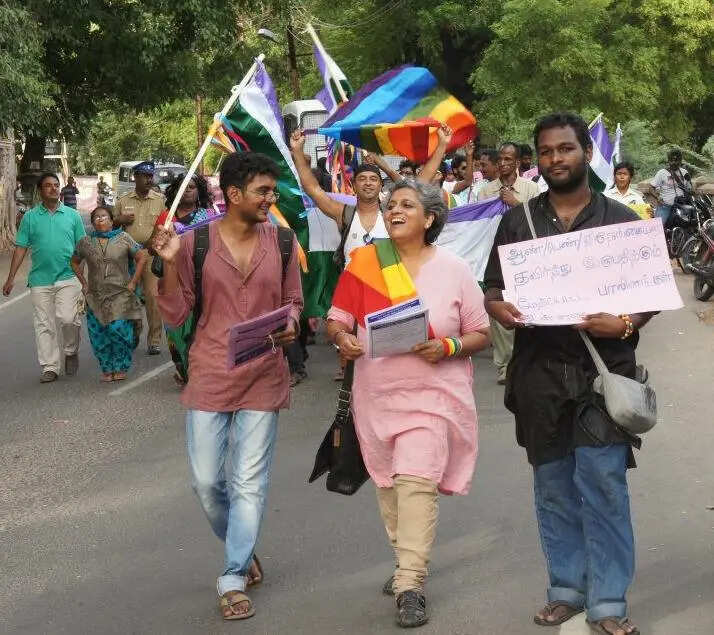
Has the popularity of social media hastened war news reporting or sensationalism? Does the youth of today find themselves torn between deciphering real news and misniformation? This article aims to look beyond the surface and uncover the answers to these questions and more.
Apr 24, 20266 min
#west asia#prabhjot kaur#point+3 more
Certified Out of Existence: Why India's 2026 Trans Amendment Bill faced severe backlash
Article
Features

Certified Out of Existence: Why India's 2026 Trans Amendment Bill faced severe backlash

On March 13, 2026, India's government introduced the Transgender Persons (Protection of Rights) Amendment Bill in the Lok Sabha, which swiftly passed both houses by March 25 and became law despite widespread protests from trans activists, lawyers, and opposition parties. The bill scraps self-identification for gender—upheld in the 2014 NALSA Supreme Court judgment—replacing it with mandatory medical certification by a board and District Magistrate approval, while limiting recognition to hijra, kinner, and intersex groups, effectively sidelining trans men, women, and non-binary individuals. It also imposes severe penalties, including life imprisonment, for "coercing" others into transgender identity, which critics fear could criminalize family and allies. Activists like Krishanu, Raghavi, Aryan Pasha, and Kanmani slammed it as unconstitutional (breaching Articles 14, 15, 19, 21), arbitrary, and reminiscent of colonial-era laws like the Criminal Tribes Act, with protests erupting in cities from Delhi to Hyderabad. Amid global anti-trans backsliding (e.g., TGEU's 2025 index, US and UK developments), figures like Aakar Patel of Amnesty International India decried it as state overreach on inherent identity. Affecting ~487,803 trans persons (only ~32,500 with ID cards), the law unravels hard-won rights, framing the fight as one for the state's recognition of self-naming over official control.

Apr 24, 20266 min
#bill#lok sabha#supreme court+2 more
11,000 litres of milk: Spiritual offering or extreme prolifigacy?
Article
Features

11,000 litres of milk: Spiritual offering or extreme prolifigacy?

Video Controversy SynopsisA video from April 9, 2026, showing 11,000 liters of milk (worth ₹5.5–7.7 lakh) poured into the Narmada River during a religious ritual sparked national outrage online, pitting devotion against accusations of waste, excess, and environmental harm.Public BacklashSocial media users condemned the act as irresponsible amid food insecurity and river pollution risks, arguing the milk should have fed the needy instead of treating the river like a "sink."Defenses and Expert WarningsSupporters defended it as sincere faith, but environmentalists like Subhash Pandey and Ajay Dube highlighted ecological damage: the organic load depletes oxygen, harms aquatic life, drinking water, and local communities.Broader ImplicationsThe Narmada's cultural significance amplified the debate, turning a local ritual into a flashpoint on balancing tradition with ethics, responsibility, and river health—raising timeless questions on when devotion crosses into waste.

Apr 24, 20264 min
#narmada#subhash pandey#ajay dube+2 more
BENNETT DIALOGUES launch with the War in West Asia
Article
Campus

BENNETT DIALOGUES launch with the War in West Asia

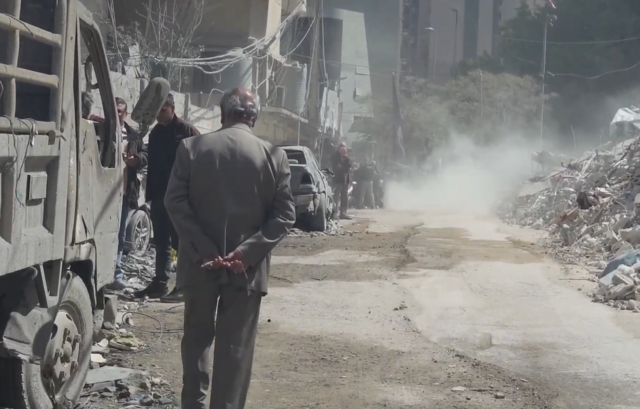
Bennett University has launched BENNETT DIALOGUES, a fortnightly talk series conceptualized by Chancellor Vineet Jain (Times Group MD) to help students grasp global geopolitical shifts. Led by Prof. Dhiraj Singh (Head, Centre for Media & Technology), it features informal fireside chats and Q&A with experts in geopolitics, business, and media. The series aims to connect world events to everyday impacts, like how the US-Israel-Iran war affects India's petrol and LPG prices. The inaugural edition on April 21 explores "The War in West Asia," with Times Now's Zakka Jacob and Dr. Waiel Awwad (Syrian-origin expert on West Asia conflicts, based in Delhi). Prof. Singh highlights its blend of Times Group media legacy and Bennett's academic excellence, benefiting media, liberal arts, business, and law students.
Apr 18, 20262 min
#dialogues#zakka jacob#dhiraj singh+3 more
War bugle disguised as a ceasefire: Examining Lebanon's situation post Israeli air strikes
Article
Features

War bugle disguised as a ceasefire: Examining Lebanon's situation post Israeli air strikes

On April 8, a fragile ceasefire briefly eased global tensions after 40 days of war between Israel, Iran, and allies, announced by Trump on Truth Social and confirmed by Iran and Pakistan's PM Shehbaz Sharif, who brokered it. Celebrations ensued worldwide as markets surged and oil prices fell, until Israeli jets struck Lebanon that morning, killing 357 civilians in what Beirut dubbed "Black Wednesday," while Israel excluded Lebanon from the deal. No formal agreement exists; conflicting statements emerged immediately, with Pakistan and Iran insisting it covered Lebanon, but Israel and the US rejecting that after a Trump-Netanyahu call. Lebanon, already devastated with over 2,000 deaths since March, was sidelined in a multi-front conflict involving Hezbollah, Iraqi militias, and Gulf interceptions. Post-ceasefire issues mounted: Iran kept the Strait of Hormuz choked, charging exorbitant fees and slashing traffic from 110 daily ships to four. Historic US-Iran talks in Islamabad on April 11 collapsed, prompting a US naval blockade that doubled down on the disruption, halting all oil route traffic (20% of global supply). The two-week truce window lasts until April 22 amid ongoing messages, but optimism fades after the deadliest civilian day coincided with its announcement.

Apr 17, 20264 min
#lebanon#trump#iran+5 more