

Times of Bennett
ArticleCampus

Global economic visionaries discuss turbulence, tech

Published:February 12, 2024 at 05:42 PM3 min read
Global economic visionaries discuss turbulence, tech
By Vanisha Rajesh Singh

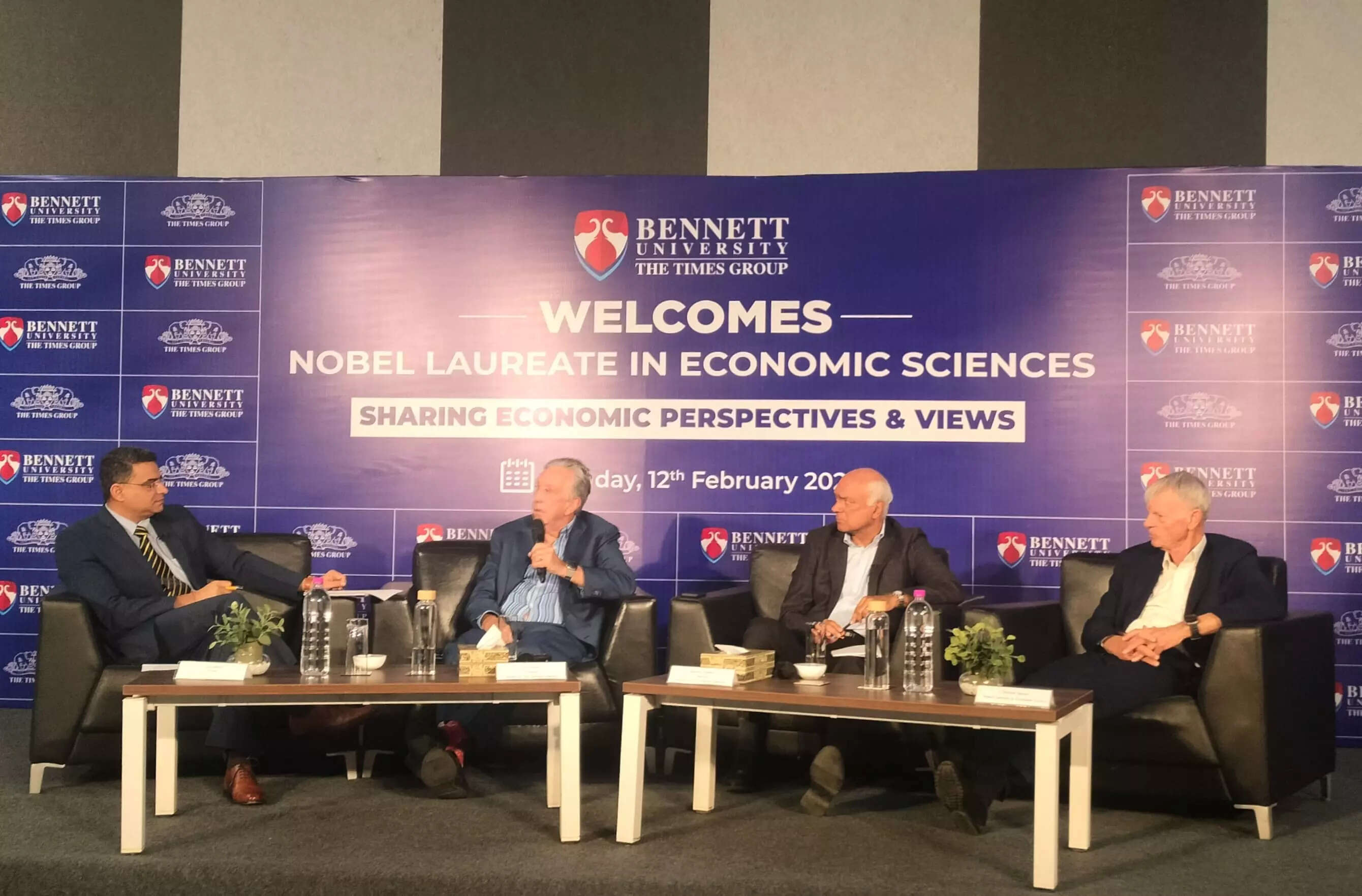
In a stimulating panel discussion that brought together eminent economic minds, Nobel Laureate Professor A. Michael Spence, Professor Rohinton Medhora, Chairman of the Institute for New Economic Thinking (INET), and Professor Rob Johnson, President of INET, engaged in a dialogue with Ajaya Sharma, Senior Editor and Finance Specialist at ET Now. This insightful conversation went deep into the core of economic change, the shifts brought about by the pandemic and uncovering the potential of India’s path to economic growth.

The conversation opened with Sharma's probing questions to Spence about the ongoing economic turbulence. Spence, in his response, talked about the essence of economic change, framing it as a natural and turbulent process. He shed light on risks and their diversification, particularly in developing countries. "Due to the pandemic, we've experienced inflationary pressures and a rapid surge in interest rates, which happened because of supply disruptions," he said.

Sharma, leading the discussion, questioned Spence about the possibility of financial markets reverting to pre-pandemic conditions. Spence's response was firm, "No, we are not returning to the pre-pandemic norm; that would be irrational. The post-pandemic world brings with it higher real interest rates, increased capital costs, and an economic landscape distinct from what we've known for the past four decades."

Turning the lens toward technology and AI, Spence highlighted, "We are witnessing a rapid evolution of powerful tools. For example, Chat GPT achieved remarkable success, attracting 100 million users in just two months." Expressing concern, he added, "Generative AI is a powerful tool based on how quickly it changes its domains. Automation bias poses a threat too, which is terrifying. We need policies to prevent AI misuse while ensuring broad and responsible access for all."

Sharma then shifted the focus to the intersection of AI and media, questioning Spence about the imperative for increased regulation. “We need more regulation to close information gaps and tackle misinformation today. It is important to balance information flow in this AI-driven world,” stressed Spence.

As the discussion continued, Professor Medhora offered interesting insights into the governance dynamics and technological disruption. Shedding light on the shift towards ‘intangible’ assets, he talked about potential difficulties small Indian businesses could encounter in terms of technology. He emphasized how crucial the government is in guiding the way forward, and that there needs to be policies to maintain trustworthy information. In his words, "Government intervention is important for guiding us towards excellence, safeguarding information purity, and preventing the spread of false news."

Expanding on governance, Medhora said, "Most countries are grappling with the challenge of governing in a world where wealth resides in intangibles. Training the current generation to adapt and control this environment is of utmost importance."

Professor Johnson further enriched the discussion, exploring India's distinctive economic growth models and its Aatmanirbhar concept. He commended India's technological sophistication, envisioning its potential contribution to the rapid growth of the African continent. Johnson eloquently remarked, "We must redefine what 'we' means, many countries overlook this aspect. India stands out as a visionary, possessing clarity in these areas."

Towards the end of the discussion, as the panel probed into India's sustainable growth prospect, Spence radiated optimism, stating, "There's no reason why India can't sustain growth. With its youthful demographic and unparalleled potential, India is experiencing remarkable expansion at an extraordinary pace."

Tags
#Nobel laureate#Michael Spence#Rohinton Medhora#Rob Johnson#ET Now#INET#Institute for New Economic Thinking#Finance#Technology#Generative AI

Related Articles

An enthralling book talk on Dhiraj Singh's debut novel Mater O
Article
Campus

An enthralling book talk on Dhiraj Singh's debut novel Mater O

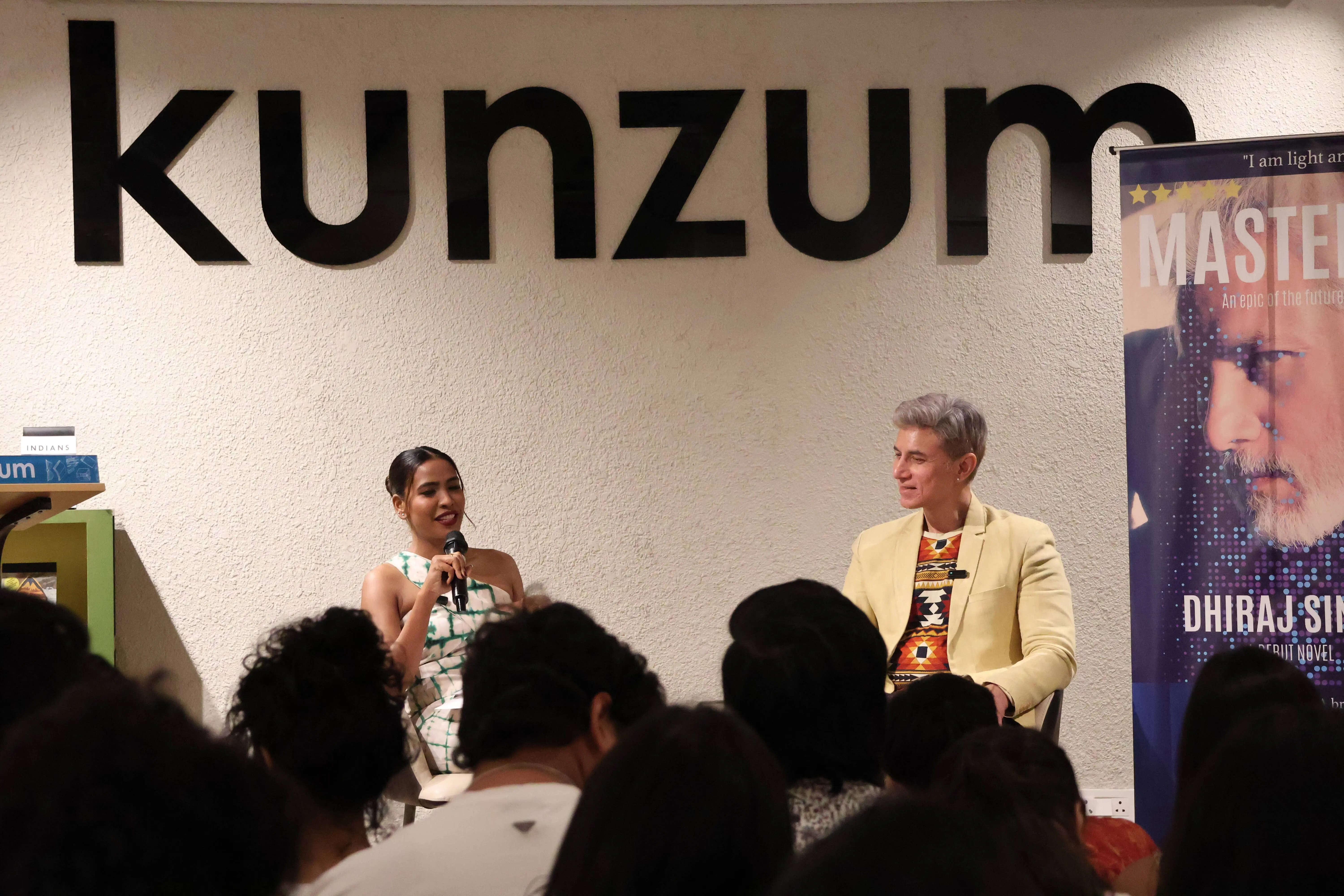
On World Book Day 2026 at Kunzum Book Cafe, Bennett University students explored the futuristic novel Master O by Dhiraj Singh, Deputy Dean at Times School of Media. Hosted by media expert Mia Lakra, the book talk delved into the story's themes of godmen, politics, and superpowers, earning Singh the Salis Mania Best Author Award (2023). Singh passionately unpacked character symbolism drawn from real-life observations, his writing journey, and revisions to perfect the plot. Lakra's witty questions and a rapid-fire round added humor, leading to an engaging Q&A. The event ended with thanks and felicitation for Singh, Lakra, and cafe founder Ajay Jain, leaving a memorable impact.
May 2, 20263 min
#dhiraj singh#kunzum book#bennett university+2 more
Bridging Theory and Practice: Bennett University Hosts Insightful PR Session with Adfactors Executive
Article
Campus

Bridging Theory and Practice: Bennett University Hosts Insightful PR Session with Adfactors Executive

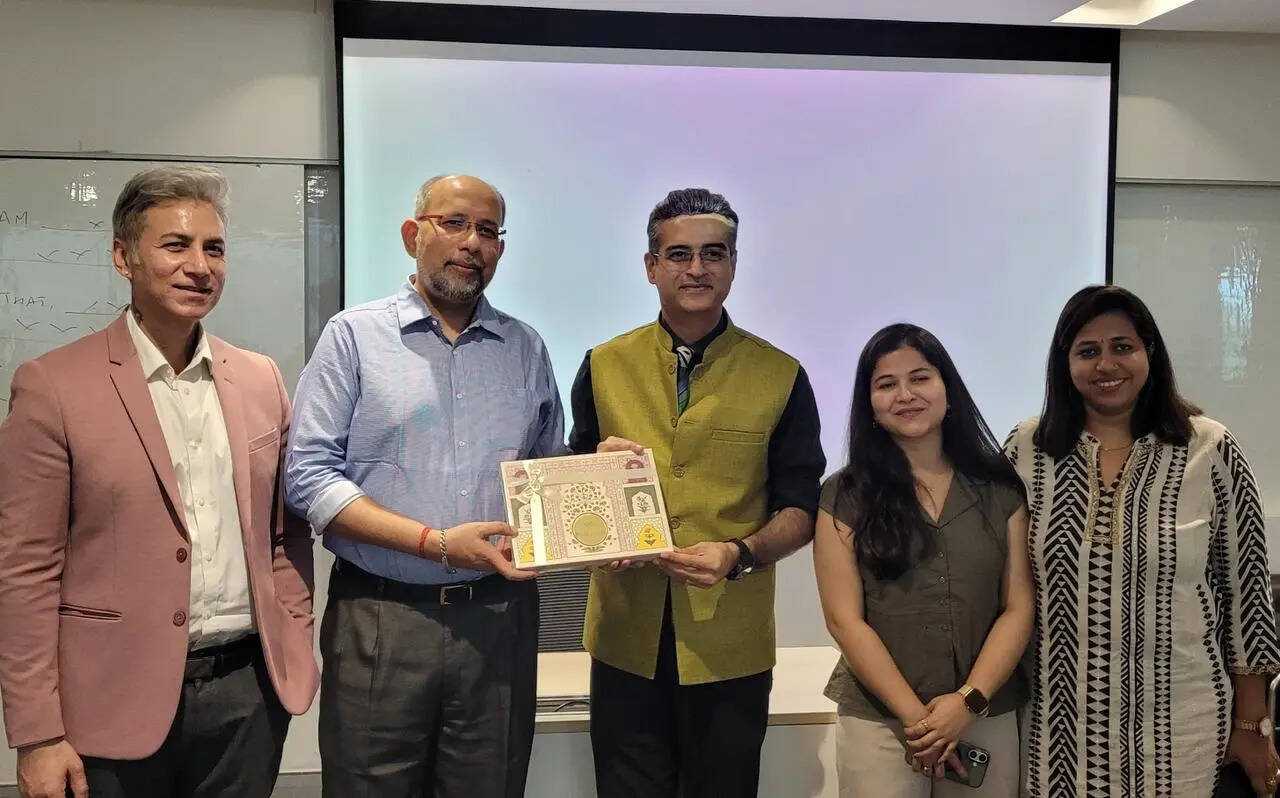
Bennett University's Times School of Media conducted a masterclass in PR and personal branding featuring Nikhil Dey, Executive Director at Adfactors PR. Students were walked through the A - Z of the public relations world through innovative interactive segments.
May 2, 20263 min
#sneh gupta#nikhil dey#dhiraj singh+3 more
'Bennett Dialogues' launched with a talk on the war in West Asia
Article
Campus

'Bennett Dialogues' launched with a talk on the war in West Asia

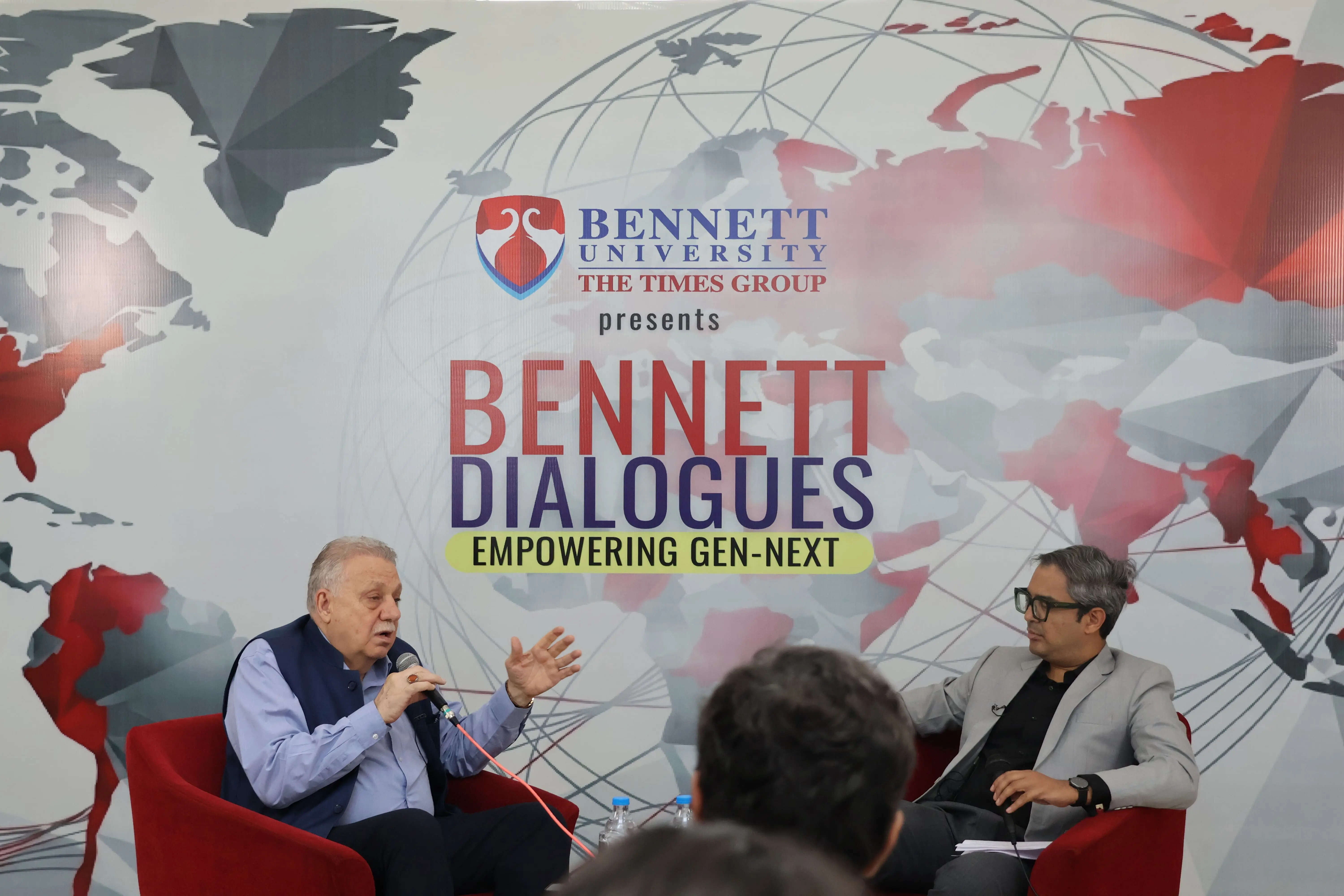
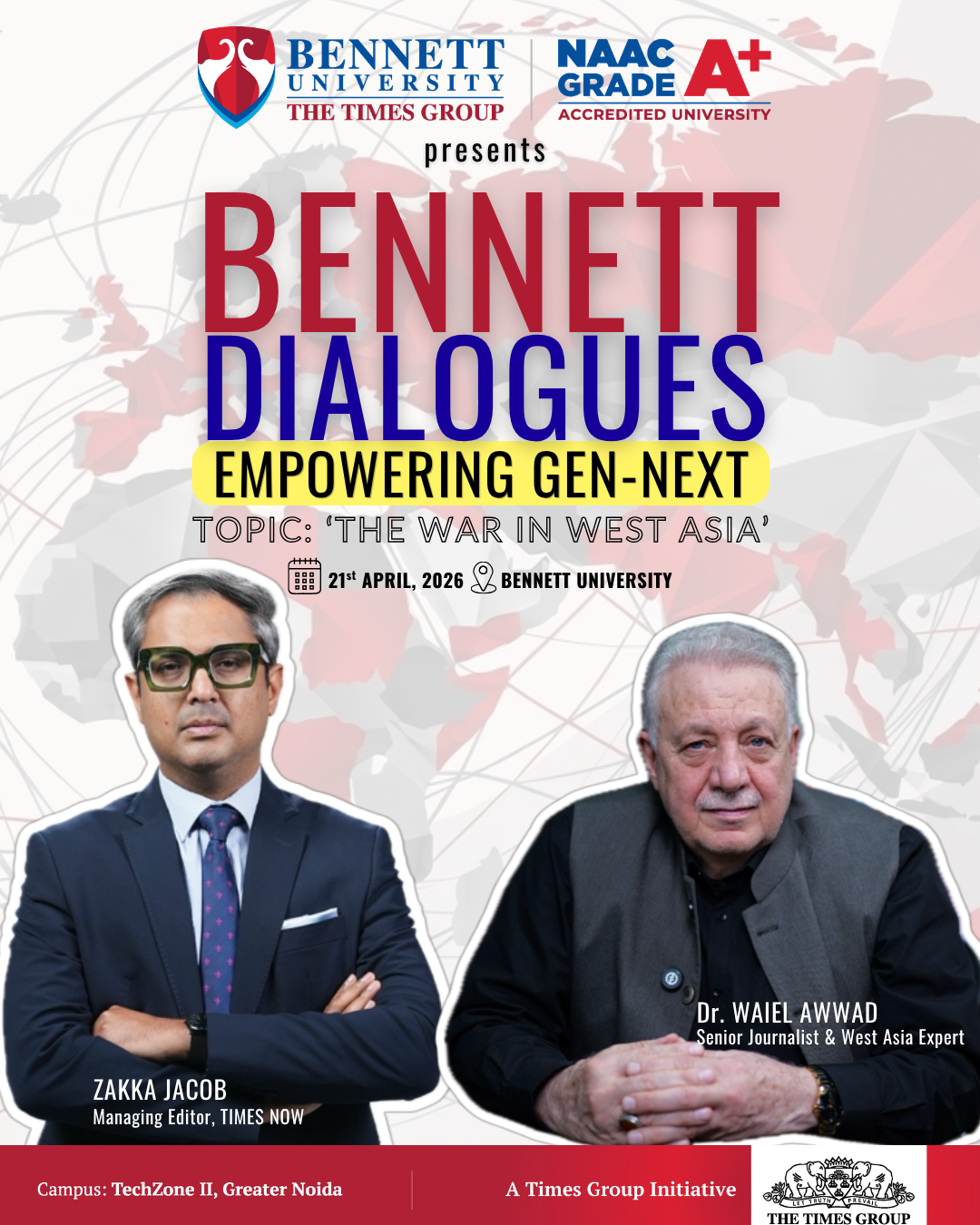
Times School of Media at Bennett University hosted the inaugural 'Bennett Dialogues' session, featuring West Asia expert Waiel Awwad in conversation with senior journalist Zakka Jacob. They discussed the Israel-Iran-USA conflict's global implications, including its roots in broader U.S.-China-Russia geopolitics, Israel's territorial ambitions per its scriptures, Gaza's humanitarian crisis affecting 2.6 million, and uneven global responses to events like October 7.Awwad critiqued U.S. "weapons of mass deception" over 253 years (e.g., Vietnam, Iraq, Iran), highlighted media bias with "no free media," and linked wars to economic greed over oil and chokepoints like the Strait of Hormuz. He shared experiences from conflict zones, including the 2008 Mumbai attacks, and noted India's proactive stance amid potential economic risks like inflation.The event, attended by students and faculty, ended with Deputy Dean Prof. Dhiraj Singh's vote of thanks, promoting critical thinking on international issues.
Apr 28, 20263 min
#bennett dialogues#zakka jacob#waiel awwad+3 more
TSOM Hosts Exclusive 48-Hour Photography Workshop
Article
Campus

TSOM Hosts Exclusive 48-Hour Photography Workshop

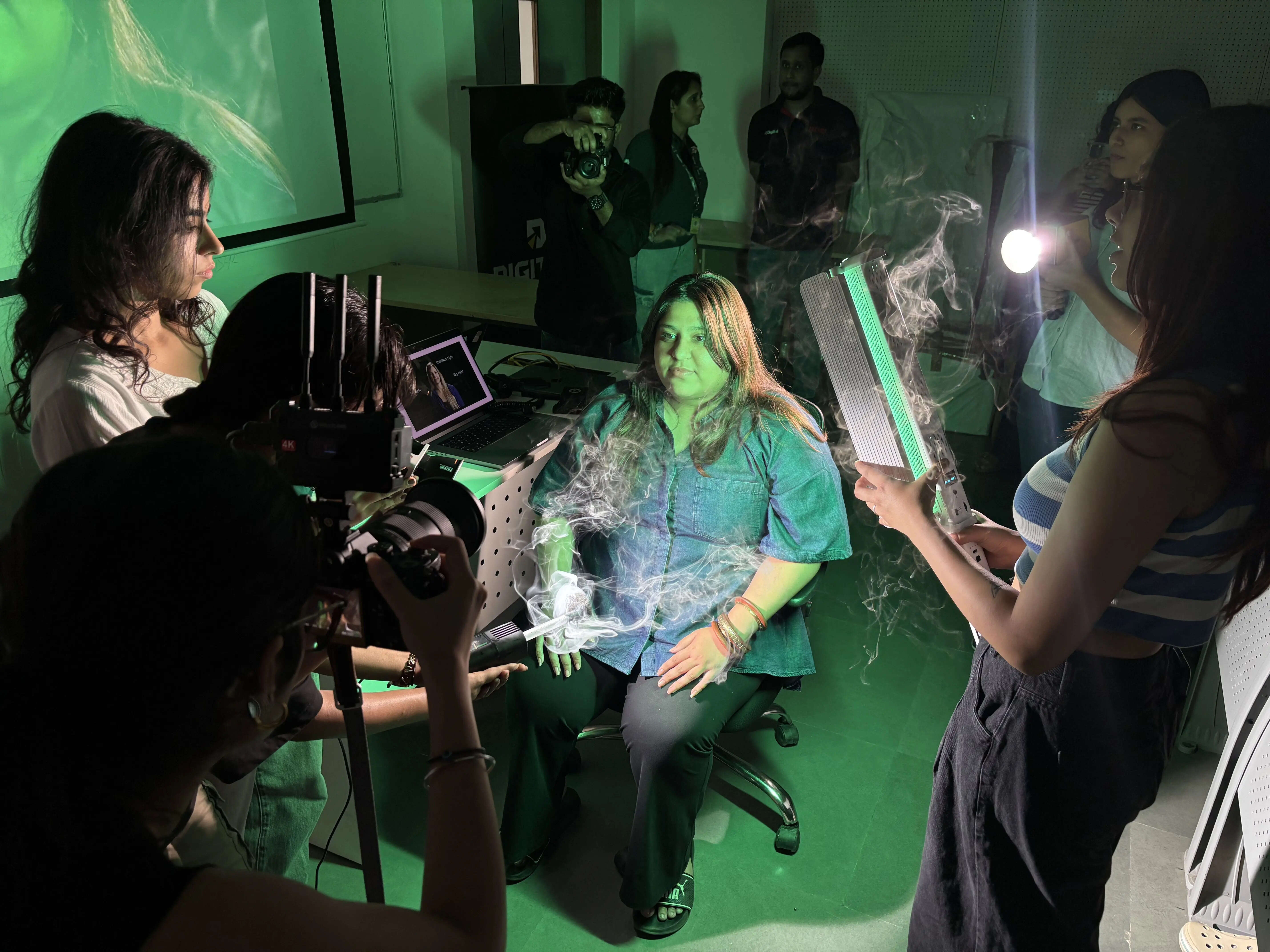
Bennett University's Times School of Media hosted an intensive 48 hour photography and filmmaking workshop in association with DIGITEK & Cineposium Initiative. Students gained insights into the art of composition, gained valuable hands on experience and won goodies.
Apr 24, 20265 min
#digitech#bennett university#media nest+4 more
BENNETT DIALOGUES launch with the War in West Asia
Article
Campus

BENNETT DIALOGUES launch with the War in West Asia

Bennett University has launched BENNETT DIALOGUES, a fortnightly talk series conceptualized by Chancellor Vineet Jain (Times Group MD) to help students grasp global geopolitical shifts. Led by Prof. Dhiraj Singh (Head, Centre for Media & Technology), it features informal fireside chats and Q&A with experts in geopolitics, business, and media. The series aims to connect world events to everyday impacts, like how the US-Israel-Iran war affects India's petrol and LPG prices. The inaugural edition on April 21 explores "The War in West Asia," with Times Now's Zakka Jacob and Dr. Waiel Awwad (Syrian-origin expert on West Asia conflicts, based in Delhi). Prof. Singh highlights its blend of Times Group media legacy and Bennett's academic excellence, benefiting media, liberal arts, business, and law students.
Apr 18, 20262 min
#dialogues#zakka jacob#dhiraj singh+3 more
A Curtain Call to Remember: Jashn-E-Cinema 2026
Article
Campus

A Curtain Call to Remember: Jashn-E-Cinema 2026

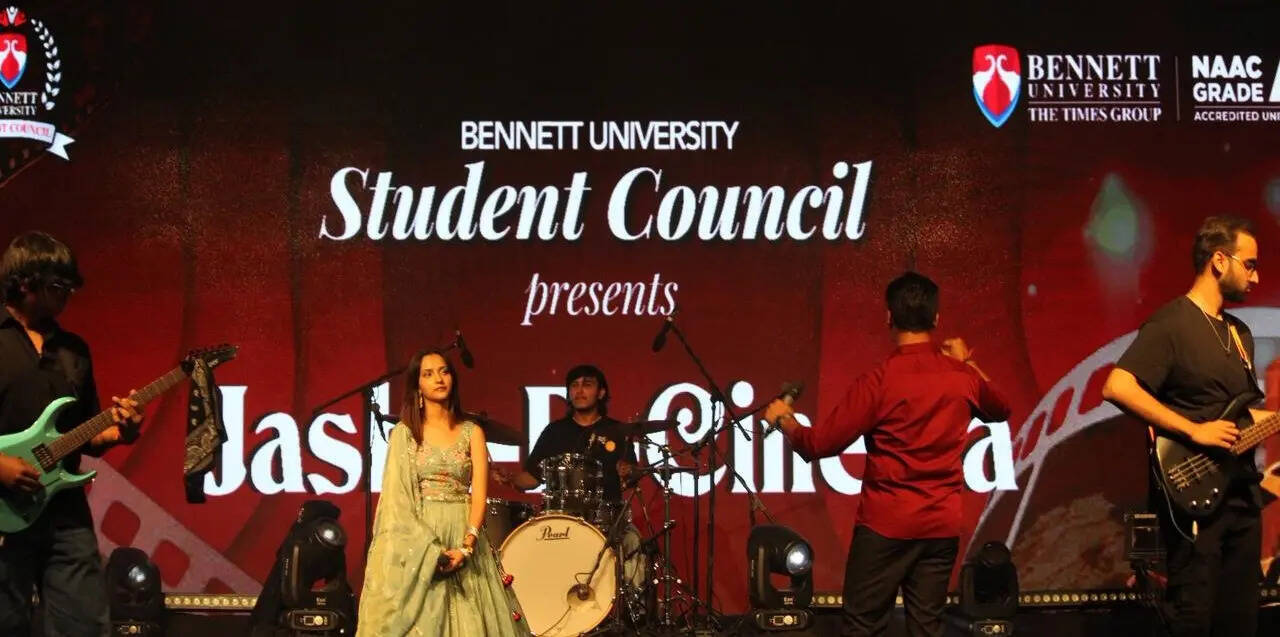
Jashn-E-Cinema 2026 embodied the university's vibrant cultural spirit through a night of unity, talent, and reflection. The highlight was BYOB Live's finale, where the audience joined in singing and swaying, blurring the stage and crowd in a shared, emotional celebration marking the year's end. The evening opened with a poignant badge ceremony honouring club leaders for their dedication, setting a reflective tone before the performances. Clubs showcased diverse talents: Advaita's energetic band set the musical rhythm; Cerebrum's witty Farzi Mushaira skit satirised poetry; Panache's ethnic-modern ramp walk dazzled visually; Verve's narrative Bollywood dance enthralled; Ansh's comedic theatre Big B chal Padhe delivered laughs; and Rivaaz's classical dance closed gracefully. Vikram Singh, Music Society Secretary, summed it up: “A great end to the year—a final goodbye, but a celebration of what we’ve built together.” The event was a farewell tapestry of collaboration, from quiet honours to explosive energy.

Apr 17, 20264 min
#ansh#advaita#panache+2 more