


Times of Bennett
ArticleFeatures

Survival a daily battle for migrants in maximum city

Published:August 26, 2021 at 01:10 PM5 min read
Survival a daily battle for migrants in maximum city
By Vidhi Goswami

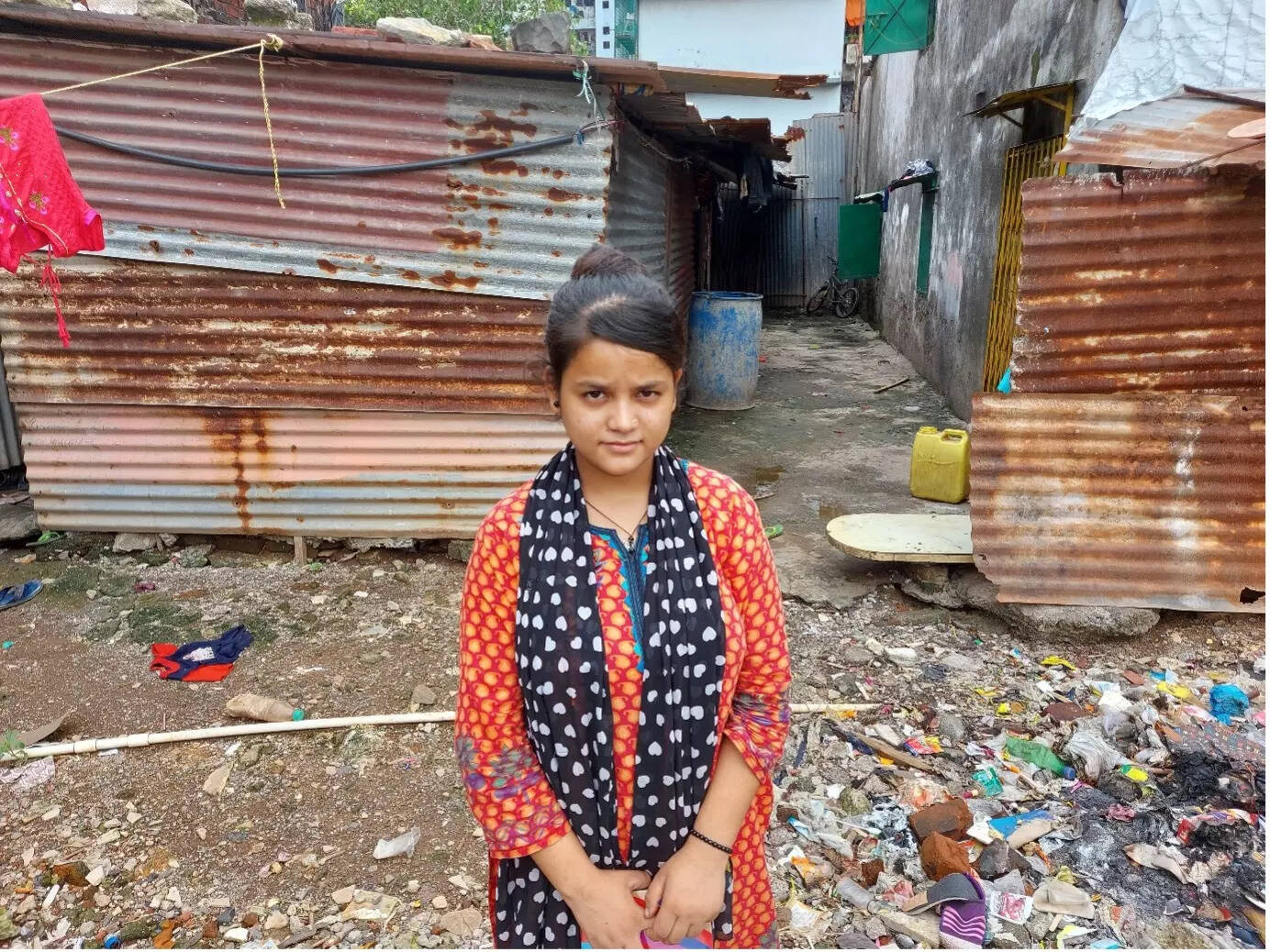
"There is no other place to go to, we’ll have to bear with the troubles … this is life, we’ll have to accept it,” says Manisha about her survival at her ‘jhopadi’ or ‘kaccha room’. There is a dark-truth behind this ‘city of dreams’, and it is `something that many consider more than a nightmare. ‘Roti, Kapda Aur Makan – these are all the necessities of life, if even one of them is missing, then life becomes very difficult.

In the financial capital of India, many don’t have the privilege of owning their own house. And the most unfortunate are individuals who belong to the lower strata. “I work at a factory and make necklaces, my husband is a mason … together make about 6000 per month, and trust me it’s not enough”, said Jyoti while swaying her grand-daughter in her arms and sitting on the concrete. It is only her husband and she who work, and take care of six members in their family. Hour/wage workers, housemaids, carpenters, masons, and watchmen are some of the occupants of these makeshift houses.

Living in a tin house is not easy during summer, “It is extremely hot, sometimes this table fan is also of no use … We just sit outside. Buying an A/C is out of my league,” says Manisha.

Rains also bring water seepage other troubles for them; sometimes the rainwater floods their homes, giving them sleepless nights and difficult mornings when they have to drain out the water. “We usually put some clothes over the roof in order to prevent the water from getting in, but still, we have water seeping in from the gaps …”, explains Saraswati, pointing out at the roof of her house.

Many living here migrated from their native homes in various parts of the country. “We came here from Nepal eight years ago, as there is no work there and my husband had seen really bad days,” says Rani.

According to Census of India 2001, about 14.7% of the population migrated for work/employment. “If there is no job, then there is no food … We also don’t have any savings that could help us, our condition was really bad during the 3-month lockdown. We don’t know how we managed to survive,” says Jyoti, describing the state of her family during the lockdown triggered by the pandemic.

Many people migrate to Mumbai for jobs because in their villages, there is no proper system in place that could provide them with food. It is not just work, but many migrants think they will get better schools and facilities in a large city.

“This room has been given to us by the builder, he does provide us with free electricity and water, but we are still fearful of our situation. If we say something against him or even if he misunderstands something we say, he’ll throw us out and we’ll have nowhere to go,” says Manisha.

The builder of a society owns the land on which there are at least 10 makeshift rooms, everyone living here has worked or is still working for him. There are no charges taken for electricity and water, but we are at his mercy. Something that keeps them going in life is the roof over their heads. They know that even if there is no food to feed themselves, they can always come to their ‘jhopadi’ for comfort.

Another pressing problem faced by them is menstruation. “I’ll tell you what we do of the used cloth during menstruation, I throw it in the bushes or the mud next to the half-constructed building, all women here do the same,” Manisha says as she points towards the bushes.

Teenage girls on their periods, avoid the use of common toilets here as they are poorly maintained and unhygienic. Sixteen-year-old Sakshi says, “Sometimes I feel that I cannot completely express my pain during those days; no one is there who I can share this with. My mother doesn’t let me talk to my father or brothers as well.” There is awareness about menstrual hygiene among the women living here. But the BMC, which provides them with sanitary napkins, has not been coming to help them during this pandemic.

Owing to lack of a proper garbage disposal system, they are left with no option but to burn their garbage. According to them, it the garbage fire doubles up as a repellent to kill mosquitoes.

“The common toilets provided to us by the builder are very dirty, and they stink really bad. Last year we paid Rs 600/- to get it cleaned, and look now it’s back to what it was,” saysManisha sharing her concerns about the unhygienic toilets in the area. These toilets are the only option for women, even though they are frustrated over having to to use them.

Aunshaya, who has recently given birth to a baby girl, says, “During pregnancy, I had to walk daily up to that toilet.” This sensitive issue is something that women here usually avoid telling their husbands, because they know that they are also equally helpless.

The three-month lockdown was a period that made their ‘struggles’ ‘intense struggles’. There was no food, no job, no money, it was came pilling up on these families. This was a storm that weakened many hearts and led many living there into depression. “My husband was almost on the verge of committing suicide because of lack of work,” says Saraswati, describing her family situation. The compromises people make here are more like sacrifices that even their children have to endure. Some days, there is no proper water supply from the BMC, while on other days due to heavy rains, their houses are filled with water and there are days when there is no food…

“Well, I don’t really know what/how our future will be… I just pray to God that everyone is happy and healthy,” says Saraswati with a smile on her face.
Join exciting programmes offered by Bennett University

Tags
#Migrant#Food#Shelter#menstruation#struggle#health#pandemic#lockdown

Related Articles

Unravelling The Language Of Consent In Qala's “Ghodey Pe Sawaar”
Article
Popculture

Unravelling The Language Of Consent In Qala's “Ghodey Pe Sawaar”

This article dissects Qala's lead single 'Ghode Pe Sawaar', through a feminist lens.
May 2, 20265 min
#ghodey pe sawaar#urmila#qalas+4 more
Beyond Headlines: The war of West Asia from youth's lens
Article
Features

Beyond Headlines: The war of West Asia from youth's lens

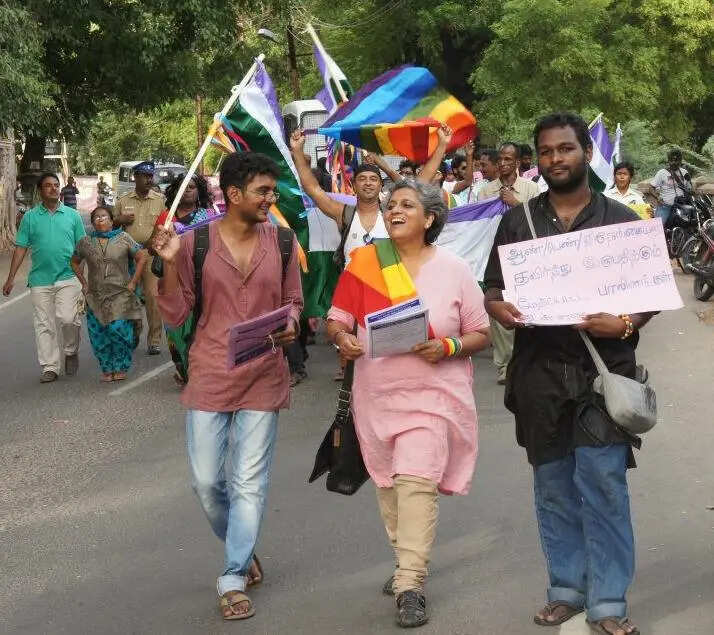
Has the popularity of social media hastened war news reporting or sensationalism? Does the youth of today find themselves torn between deciphering real news and misniformation? This article aims to look beyond the surface and uncover the answers to these questions and more.
Apr 24, 20266 min
#west asia#prabhjot kaur#point+3 more
Certified Out of Existence: Why India's 2026 Trans Amendment Bill faced severe backlash
Article
Features

Certified Out of Existence: Why India's 2026 Trans Amendment Bill faced severe backlash

On March 13, 2026, India's government introduced the Transgender Persons (Protection of Rights) Amendment Bill in the Lok Sabha, which swiftly passed both houses by March 25 and became law despite widespread protests from trans activists, lawyers, and opposition parties. The bill scraps self-identification for gender—upheld in the 2014 NALSA Supreme Court judgment—replacing it with mandatory medical certification by a board and District Magistrate approval, while limiting recognition to hijra, kinner, and intersex groups, effectively sidelining trans men, women, and non-binary individuals. It also imposes severe penalties, including life imprisonment, for "coercing" others into transgender identity, which critics fear could criminalize family and allies. Activists like Krishanu, Raghavi, Aryan Pasha, and Kanmani slammed it as unconstitutional (breaching Articles 14, 15, 19, 21), arbitrary, and reminiscent of colonial-era laws like the Criminal Tribes Act, with protests erupting in cities from Delhi to Hyderabad. Amid global anti-trans backsliding (e.g., TGEU's 2025 index, US and UK developments), figures like Aakar Patel of Amnesty International India decried it as state overreach on inherent identity. Affecting ~487,803 trans persons (only ~32,500 with ID cards), the law unravels hard-won rights, framing the fight as one for the state's recognition of self-naming over official control.

Apr 24, 20266 min
#bill#lok sabha#supreme court+2 more
11,000 litres of milk: Spiritual offering or extreme prolifigacy?
Article
Features

11,000 litres of milk: Spiritual offering or extreme prolifigacy?

Video Controversy SynopsisA video from April 9, 2026, showing 11,000 liters of milk (worth ₹5.5–7.7 lakh) poured into the Narmada River during a religious ritual sparked national outrage online, pitting devotion against accusations of waste, excess, and environmental harm.Public BacklashSocial media users condemned the act as irresponsible amid food insecurity and river pollution risks, arguing the milk should have fed the needy instead of treating the river like a "sink."Defenses and Expert WarningsSupporters defended it as sincere faith, but environmentalists like Subhash Pandey and Ajay Dube highlighted ecological damage: the organic load depletes oxygen, harms aquatic life, drinking water, and local communities.Broader ImplicationsThe Narmada's cultural significance amplified the debate, turning a local ritual into a flashpoint on balancing tradition with ethics, responsibility, and river health—raising timeless questions on when devotion crosses into waste.
Apr 24, 20264 min
#narmada#subhash pandey#ajay dube+2 more
BENNETT DIALOGUES launch with the War in West Asia
Article
Campus

BENNETT DIALOGUES launch with the War in West Asia

Bennett University has launched BENNETT DIALOGUES, a fortnightly talk series conceptualized by Chancellor Vineet Jain (Times Group MD) to help students grasp global geopolitical shifts. Led by Prof. Dhiraj Singh (Head, Centre for Media & Technology), it features informal fireside chats and Q&A with experts in geopolitics, business, and media. The series aims to connect world events to everyday impacts, like how the US-Israel-Iran war affects India's petrol and LPG prices. The inaugural edition on April 21 explores "The War in West Asia," with Times Now's Zakka Jacob and Dr. Waiel Awwad (Syrian-origin expert on West Asia conflicts, based in Delhi). Prof. Singh highlights its blend of Times Group media legacy and Bennett's academic excellence, benefiting media, liberal arts, business, and law students.
Apr 18, 20262 min
#dialogues#zakka jacob#dhiraj singh+3 more
War bugle disguised as a ceasefire: Examining Lebanon's situation post Israeli air strikes
Article
Features

War bugle disguised as a ceasefire: Examining Lebanon's situation post Israeli air strikes

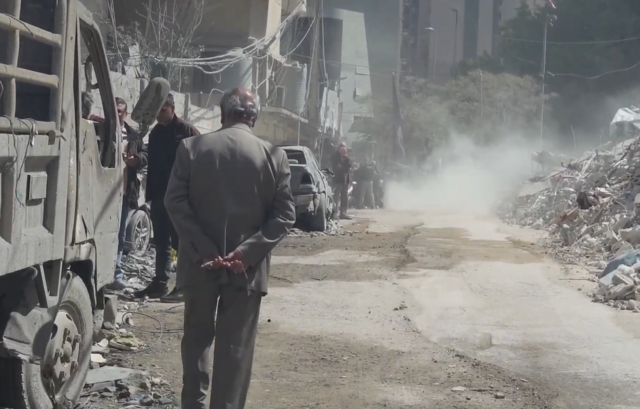
On April 8, a fragile ceasefire briefly eased global tensions after 40 days of war between Israel, Iran, and allies, announced by Trump on Truth Social and confirmed by Iran and Pakistan's PM Shehbaz Sharif, who brokered it. Celebrations ensued worldwide as markets surged and oil prices fell, until Israeli jets struck Lebanon that morning, killing 357 civilians in what Beirut dubbed "Black Wednesday," while Israel excluded Lebanon from the deal. No formal agreement exists; conflicting statements emerged immediately, with Pakistan and Iran insisting it covered Lebanon, but Israel and the US rejecting that after a Trump-Netanyahu call. Lebanon, already devastated with over 2,000 deaths since March, was sidelined in a multi-front conflict involving Hezbollah, Iraqi militias, and Gulf interceptions. Post-ceasefire issues mounted: Iran kept the Strait of Hormuz choked, charging exorbitant fees and slashing traffic from 110 daily ships to four. Historic US-Iran talks in Islamabad on April 11 collapsed, prompting a US naval blockade that doubled down on the disruption, halting all oil route traffic (20% of global supply). The two-week truce window lasts until April 22 amid ongoing messages, but optimism fades after the deadliest civilian day coincided with its announcement.

Apr 17, 20264 min
#lebanon#trump#iran+5 more