The Making of India’s Youngest 'Content'preneurs
Times of Bennett | Updated: Nov 12, 2025 16:32

Correspondent: Anoushka Saxena
When 21-year-old engineering student Aman sat down to shoot a 60-secondInstagram reel after finishing lectures, he never imagined it would land him a brand collab paying ₹ 75,000. Meanwhile his classmate Tara, an MBBS first-year at a medical college in Delhi, toggles between dissecting anatomy slides and recording her daily “study with me” vlog. What began as a side hustle has quietly become the main hustle for India’s student creators.
India’s youth are doing more than just pursuing degrees today. They’re building digital audiences, launching content houses and monetizing their personal brands. A report on the Indian creator economy notes that while the ecosystem is still early stage, “nearly 2× as many creators currently prefer establishing themselves as sustainable business owners rather than chasing celebrity influencer status."
Parallelly, the latest GUESSS India 2023 survey found that 32.5% of Indian college students are already nascent entrepreneurs, with 38% involved in some kind of venture creation. Though these figures reflect more broadly on entrepreneurship, the same impulse, utilizing digital platforms to build micro-enterprises is very visible in the creator space.
Real-Life Student Creators' Journeys
It’s 6 a.m. in Delhi. While most first-year MBBS students are still in bed, Mitali Sharma is already filming a “day in my life” reel: donning her white coat, recording her rural posting commute, and later editing aYouTube video about balancing internship shifts and social media metrics. By evening, she’s back to lab reports and anatomy slides.
While thousands of kilometres away in Mumbai, 18-year-old Ananya Sharma is switching from a lecture in college to a studio mic session. She posts covers and original songs to her million-plus Instagram followers. “Just call me a music influencer,” she says in a 2025 profile.
Mitali’s journey is representative of that of a modern student-creator. She secured an All India Rank of 68 in NEET, entered Maulana Azad Medical College in Delhi, and began documenting hostel life, night shifts, study hacks and rural postings via her YouTube channel and Instagram feed. Her content ranges from “White coat first day” videos to brand collaborations without hiding the hard work of medical training behind the camera.
Whereas, Ananya operates in a different niche but the same ecosystem. She started classical training at age nine, competed on a reality show, and is now pursuing a Bachelor’s degree while uploading music and lifestyle content.
Monetisation, Pressure and Purpose
What draws so many students to create in the first place is monetization. Platforms like YouTube and Instagram enable creator-economy models ranging from brand partnerships to affiliate links, merchandise and paid content.
The 2023 “Creator Trends” report states that many Indian creators are shifting from ad revenue to membership models, courses and community-led income, because algorithm-dependency is risky. Mitali’s channel, for instance, includes sponsored mentions, entrepreneurship-side ventures and affiliate links. But monetization is only part of the story.
The greater strain lies in juggling dual lives. Balancing studies and content creation comes at the cost of unbearable burn-out. Late nights editing, constant posts, and brand expectations clash with lectures, assignments and internal exams. Student creators often walk a tightrope between being “good students” and “growing creators.”
Brands, meanwhile, view student creators as high-engagement niche influencers, someone who speaks their peer-audience’s language. They view student creators as torchbearers of authenticity and relatability with time-synchronised content as a bonus.

The New Normal
As the semester winds down and Tara uploads her final exam vlog, she sighs and smiles, “If nothing else, I’ll have built an audience no one can take away.” Aman posts his brand collab and midnight coding reel and crams for tomorrow’s quiz. Their story signals a shift among Indian students, shedding light on the growing expanse of the side-gig business, that is slowly taking shape into a serious career track.
In an age defined by endless scrolling, these student creators are shaping what the world stops to watch. And perhaps that is the future of student hustles. Not one career, but many, intersecting, overlapping and digital-first.
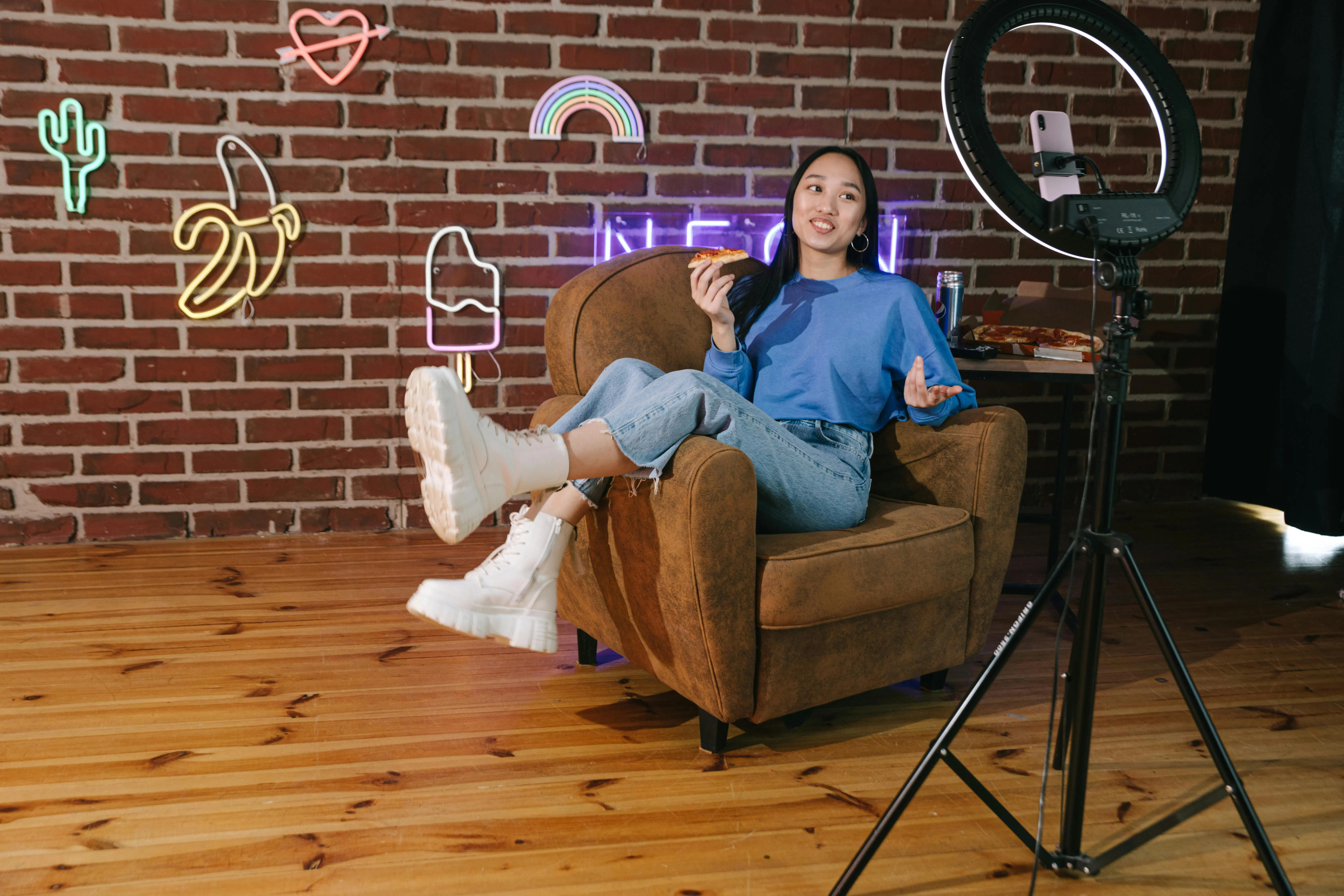
When Mitali adjusts her ring light between ward rounds, or Ananya composes a caption after class, it’s clear that the side hustle is no longer side. It’s become as crucial as what many define a 'priority.'
Some chase degrees, others chase dreams, but this generation does both. Its crafting careers out of curiosity as well as audiences out of authenticity. And this is just the beginning of an even bigger revolution to come!
(Currently pursuing 3rd year BA-JMC at Times School of Media, Anoushka Saxena’s portfolio spans podcasts, editorial features, and creative media experiments, all with one goal: to make people stop and listen. Moreover, she’s learning to ask better questions, because she believes every great story begins with one.)
When 21-year-old engineering student Aman sat down to shoot a 60-second
India’s youth are doing more than just pursuing degrees today. They’re building digital audiences, launching content houses and monetizing their personal brands. A report on the Indian creator economy notes that while the ecosystem is still early stage, “nearly 2× as many creators currently prefer establishing themselves as sustainable business owners rather than chasing celebrity influencer status."
Parallelly, the latest GUESSS India 2023 survey found that 32.5% of Indian college students are already nascent entrepreneurs, with 38% involved in some kind of venture creation. Though these figures reflect more broadly on entrepreneurship, the same impulse, utilizing digital platforms to build micro-enterprises is very visible in the creator space.
Real-Life Student Creators' Journeys
It’s 6 a.m. in Delhi. While most first-year MBBS students are still in bed, Mitali Sharma is already filming a “day in my life” reel: donning her white coat, recording her rural posting commute, and later editing a
While thousands of kilometres away in Mumbai, 18-year-old Ananya Sharma is switching from a lecture in college to a studio mic session. She posts covers and original songs to her million-plus Instagram followers. “Just call me a music influencer,” she says in a 2025 profile.
Mitali’s journey is representative of that of a modern student-creator. She secured an All India Rank of 68 in NEET, entered Maulana Azad Medical College in Delhi, and began documenting hostel life, night shifts, study hacks and rural postings via her YouTube channel and Instagram feed. Her content ranges from “White coat first day” videos to brand collaborations without hiding the hard work of medical training behind the camera.
Whereas, Ananya operates in a different niche but the same ecosystem. She started classical training at age nine, competed on a reality show, and is now pursuing a Bachelor’s degree while uploading music and lifestyle content.
Monetisation, Pressure and Purpose
What draws so many students to create in the first place is monetization. Platforms like YouTube and Instagram enable creator-economy models ranging from brand partnerships to affiliate links, merchandise and paid content.
The 2023 “Creator Trends” report states that many Indian creators are shifting from ad revenue to membership models, courses and community-led income, because algorithm-dependency is risky. Mitali’s channel, for instance, includes sponsored mentions, entrepreneurship-side ventures and affiliate links. But monetization is only part of the story.
The greater strain lies in juggling dual lives. Balancing studies and content creation comes at the cost of unbearable burn-out. Late nights editing, constant posts, and brand expectations clash with lectures, assignments and internal exams. Student creators often walk a tightrope between being “good students” and “growing creators.”
Brands, meanwhile, view student creators as high-engagement niche influencers, someone who speaks their peer-audience’s language. They view student creators as torchbearers of authenticity and relatability with time-synchronised content as a bonus.
The New Normal
As the semester winds down and Tara uploads her final exam vlog, she sighs and smiles, “If nothing else, I’ll have built an audience no one can take away.” Aman posts his brand collab and midnight coding reel and crams for tomorrow’s quiz. Their story signals a shift among Indian students, shedding light on the growing expanse of the side-gig business, that is slowly taking shape into a serious career track.
In an age defined by endless scrolling, these student creators are shaping what the world stops to watch. And perhaps that is the future of student hustles. Not one career, but many, intersecting, overlapping and digital-first.
When Mitali adjusts her ring light between ward rounds, or Ananya composes a caption after class, it’s clear that the side hustle is no longer side. It’s become as crucial as what many define a 'priority.'
Some chase degrees, others chase dreams, but this generation does both. Its crafting careers out of curiosity as well as audiences out of authenticity. And this is just the beginning of an even bigger revolution to come!
(Currently pursuing 3rd year BA-JMC at Times School of Media, Anoushka Saxena’s portfolio spans podcasts, editorial features, and creative media experiments, all with one goal: to make people stop and listen. Moreover, she’s learning to ask better questions, because she believes every great story begins with one.)