Strengthening Media Ethics at the ASCI-TSOM Faculty Development Program
Times of Bennett | Updated: Apr 07, 2026 22:39
Correspondents: Shreya and Priyanshi Sharma
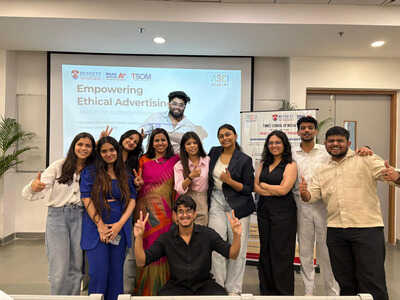
What does it really take to build trust and responsibility in a world overflowing with advertising? TheFaculty Development Program (FDP) on Empowering Ethical Advertising, hosted by the Times School of Media at Advertising Standards Council of India (ASCI ) Academy, brought together top advertising industry leaders, academicians, and media professionals to answer this very question.
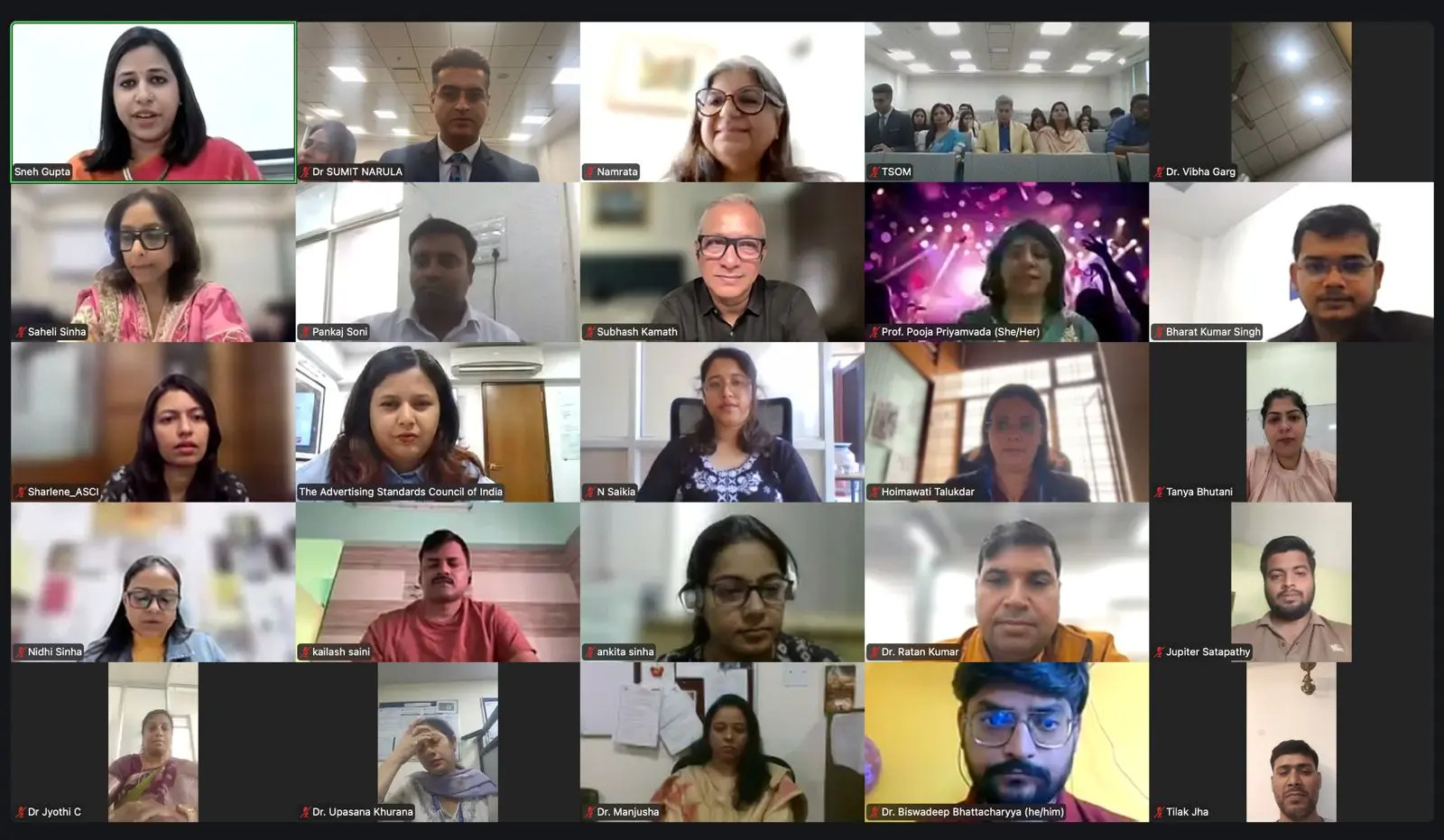
The session opened with a warm welcome from Assistant ProfessorSneh Gupta , who served as the event coordinator. The program then transitioned to a keynote by Dr. Sumit Narula, Dean of the Times School of Media, who shared his perspectives on the media sector's critical role in shaping public perception.
He addressed the urgent challenges of the digital era, specifically highlighting the need to identify misinformation, disinformation,
and the rising threat of digital crime. Additionally, he emphasized the pivotal role of the ASCI in establishing and maintaining ethical standards across the industry.
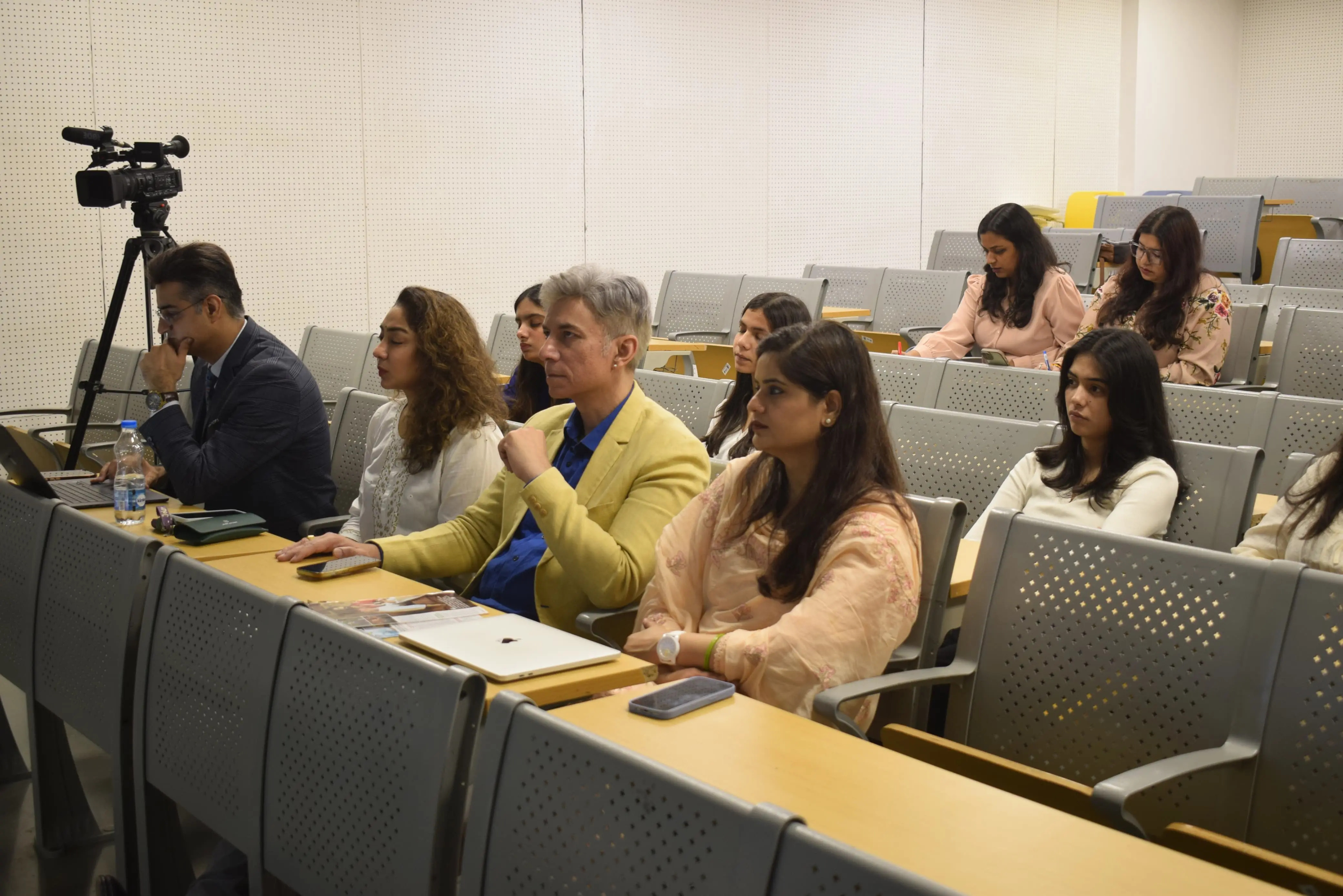
Building on this, Prof. Dhiraj Singh, Deputy Dean, Times School of Media & Head, Centre for Media & Technology, delivered insightful remarks on how unethical advertising has played one of the most important roles in building distrust and fake narratives among consumers. He stressed that events and discussions are essential in making a framework for future professionals to maintain a positive balance of technological advancement, creativity and ethical responsibility.
The key speaker of this event, former ASCI chairman and advertising veteran, Subhash Kamath, presented a very compelling narrative on the origin and significance of ASCI. He also explored how different marketers and PR agencies come together with a shared vision - “if we don’t set ethical standards, who will?”. One which leads to the formation of ASCI. He also traced the evolution of advertising, detailing the transformation of brand-consumer relationships over time. He noted a significant shift in the Indian market, where consumers are increasingly moving away from traditional media in favor of influencer marketing.
Adding to the discussion, Dr Saheli Sinha, Director, Operations at ASCI, shared her point of view on how the advertising industry has witnessed changes over time. She emphasised that brands must respond responsibly towards consumers by improving their services and elaborated on the council’s proactive initiatives since 2023 aimed at preventive regulation. Her session was deeply engaging, with other guests also offering their perspectives by looking at iconic campaigns of famous brands. She explained how emotional storytelling can create a strong, long-term connection with consumers while maintaining ethical integrity, stating, “Internal guidelines are important, but external oversight ensures true credibility.”
Moving forward, the session focused on the need for responsible advertising through an interactive group discourse. Advertising should be ethical yes, but how and to whom? The conversation emphasised that advertising should be responsible, not limited to consumers, but also to society, brands and the overall industry. It highlighted how fairness and strong values always ensure long-term returns and loyalty for a brand.
The concept of self-regulation was also touched upon, highlighting how the industry should regulate itself through internal checks. ASCI being an important example of how the industry should work towards maintaining ethical standards.
Further, key guidelines were discussed, which included proper disclosure in influencer marketing, to avoid stereotypes, and to prevent harmful online practices.
Mr Senthil Kumar, Chief Operating Officer (COO),Bennett University , finally addressed the gathering and appreciated the initiative of organising such a meaningful Faculty Development Program. He highlighted that such programs play an important role in bridging the gap between academia and industry. He also expressed confidence that such initiatives will contribute to long-term learning and development.
The session concluded with an interactive quiz that tested participants on their knowledge of advertising laws and ethical frameworks. This exercise not only enhanced the overall learning experience but also fostered active engagement among the attendees.
The session emphasised the importance of ethical advertising in today’s modern world, where everything is digital and accessible. It highlighted the importance of responsibility, transparency, and the need for self-regulation, which is essential for building trust amongst the consumers, while showcasing how the industry has evolved.
(The writers are a powerful duo where Shreya brings sharp political insight and strategic thinking, while Priyanshi adds creativity and vibrant communication skills)
What does it really take to build trust and responsibility in a world overflowing with advertising? The
The session opened with a warm welcome from Assistant Professor
He addressed the urgent challenges of the digital era, specifically highlighting the need to identify misinformation, disinformation,
and the rising threat of digital crime. Additionally, he emphasized the pivotal role of the ASCI in establishing and maintaining ethical standards across the industry.
Building on this, Prof. Dhiraj Singh, Deputy Dean, Times School of Media & Head, Centre for Media & Technology, delivered insightful remarks on how unethical advertising has played one of the most important roles in building distrust and fake narratives among consumers. He stressed that events and discussions are essential in making a framework for future professionals to maintain a positive balance of technological advancement, creativity and ethical responsibility.
The key speaker of this event, former ASCI chairman and advertising veteran, Subhash Kamath, presented a very compelling narrative on the origin and significance of ASCI. He also explored how different marketers and PR agencies come together with a shared vision - “if we don’t set ethical standards, who will?”. One which leads to the formation of ASCI. He also traced the evolution of advertising, detailing the transformation of brand-consumer relationships over time. He noted a significant shift in the Indian market, where consumers are increasingly moving away from traditional media in favor of influencer marketing.
Adding to the discussion, Dr Saheli Sinha, Director, Operations at ASCI, shared her point of view on how the advertising industry has witnessed changes over time. She emphasised that brands must respond responsibly towards consumers by improving their services and elaborated on the council’s proactive initiatives since 2023 aimed at preventive regulation. Her session was deeply engaging, with other guests also offering their perspectives by looking at iconic campaigns of famous brands. She explained how emotional storytelling can create a strong, long-term connection with consumers while maintaining ethical integrity, stating, “Internal guidelines are important, but external oversight ensures true credibility.”
Moving forward, the session focused on the need for responsible advertising through an interactive group discourse. Advertising should be ethical yes, but how and to whom? The conversation emphasised that advertising should be responsible, not limited to consumers, but also to society, brands and the overall industry. It highlighted how fairness and strong values always ensure long-term returns and loyalty for a brand.
The concept of self-regulation was also touched upon, highlighting how the industry should regulate itself through internal checks. ASCI being an important example of how the industry should work towards maintaining ethical standards.
Further, key guidelines were discussed, which included proper disclosure in influencer marketing, to avoid stereotypes, and to prevent harmful online practices.
Mr Senthil Kumar, Chief Operating Officer (COO),
The session concluded with an interactive quiz that tested participants on their knowledge of advertising laws and ethical frameworks. This exercise not only enhanced the overall learning experience but also fostered active engagement among the attendees.
The session emphasised the importance of ethical advertising in today’s modern world, where everything is digital and accessible. It highlighted the importance of responsibility, transparency, and the need for self-regulation, which is essential for building trust amongst the consumers, while showcasing how the industry has evolved.
(The writers are a powerful duo where Shreya brings sharp political insight and strategic thinking, while Priyanshi adds creativity and vibrant communication skills)