Exploring Why The Voice of Hind Rajab Sparked a Quiet Censorship Storm in India
Times of Bennett | Updated: Apr 07, 2026 22:50

Correspondent: Aditya Zharotia
In a move that has ignited debate across artistic, political, and diplomatic circles, TheVoice of Hind Rajab - a film centered on the tragic story of Hind Rajab has reportedly been blocked from release in India by the Central Board of Film Certification (CBFC). While no formal written order has surfaced, multiple reports suggest that the decision was conveyed orally, raising pressing questions about transparency, artistic freedom, and the growing intersection of geopolitics and cultural expression.
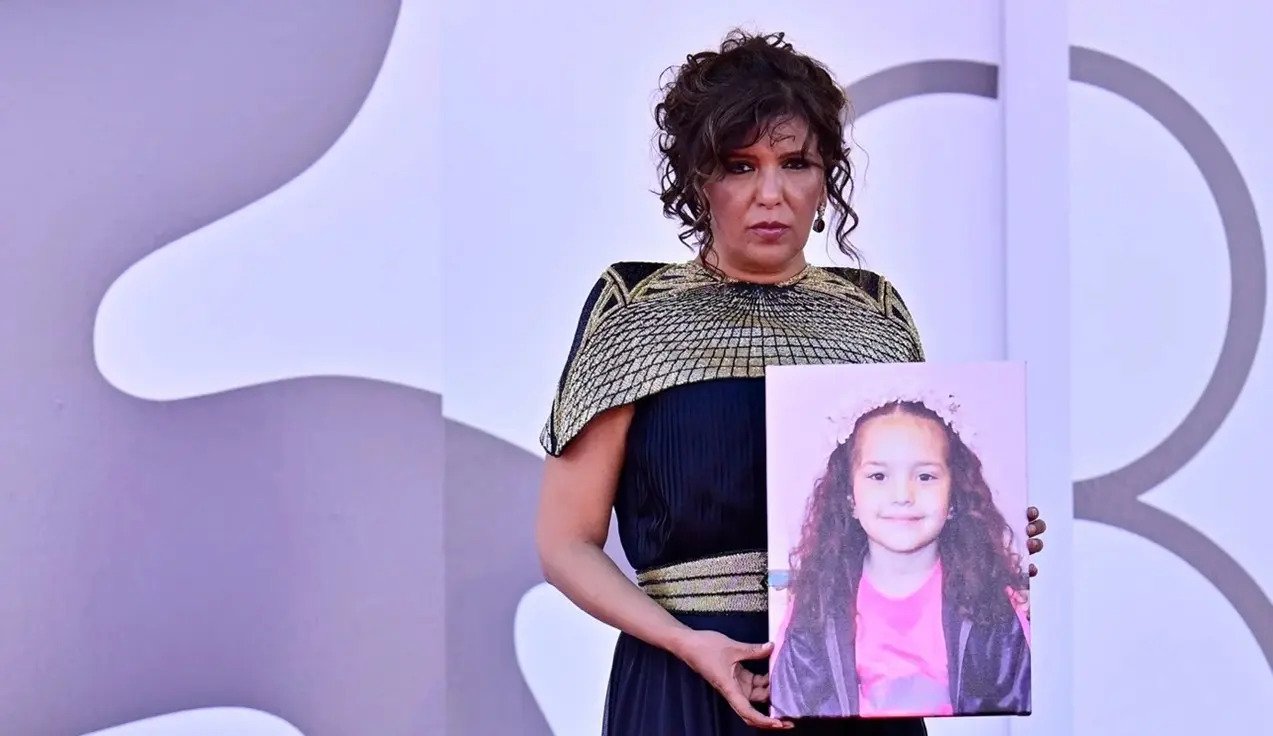
At the heart of the controversy lies the film’s subject matter. Directed by Tunisian filmmakerKaouther Ben Hania , the film documents the harrowing final moments of Hind Rajab, a young Palestinian girl whose death during the ongoing Gaza conflict became a symbol of civilian suffering. The film reportedly reconstructs the emotional and political gravity of the incident, making it not just a personal tragedy but a broader commentary on war, humanitarian crises, and global silence. Such a narrative, while powerful, is also deeply political, particularly in a global environment where the Israel-Palestine conflict remains one of the most sensitive geopolitical issues.
In a poignant and deeply personal response to the controversy, director Kaouther Ben Hania took to Facebook to express both her disappointment and disbelief at the reported blocking of her film in India. Reflecting on her long-standing admiration for the country, she wrote, “I grew up loving India. Bollywood was part of my childhood. At some point, I even imagined I had Indian roots just to feel special.” Her words evoke a sense of cultural connection and emotional affinity that transcends borders, making the current situation all the more disheartening.
However, her post quickly shifts from nostalgia to a sharp critique of the circumstances surrounding the film’s fate. Questioning the rationale behind the decision, she asked, “Is the honeymoon between the ‘world’s largest democracy’ and the ‘only democracy in the Middle East’ so fragile that a film could break it?” The remark is a pointed reference to India and Israel, whose growing diplomatic and strategic partnership has increasingly influenced perceptions of political alignment.
The uncertainty surrounding the film’s fate has been further intensified by statements from its Indian distributor, Manoj Nandwana, who has been at the forefront of efforts to secure its release. Nandwana, who runs the Mumbai-based companyJai Viratra Entertainment , revealed that the film was effectively stalled during the certification process due to concerns that its content could adversely affect “India’s relationship with Israel.” His account reinforces the growing perception that the decision was shaped less by cinematic guidelines and more by diplomatic sensitivities.
“There is no strict guideline regarding when the committee should respond. So, I am checking their website regularly for a possible update,” Nandwana said, highlighting the ambiguity that often surrounds the certification process governed by the Central Board of Film Certification.
According to distributors, the CBFC’s reluctance to certify the film stems from concerns that its content could strain India’s diplomatic ties with Israel. Over the past decade, India has significantly strengthened its relationship with Israel, particularly in areas such as defense, technology, and trade. This evolving partnership has also influenced India’s diplomatic posture, often requiring a careful balancing act between its historical support for the Palestinian cause and its contemporary strategic interests. In this context, a film that portrays the human cost of Israeli military actions especially through the lens of a child’s death may be seen as politically sensitive, if not diplomatically inconvenient.
What makes this situation particularly troubling for many observers is the lack of formal documentation. The absence of a written ban or certification denial creates a grey area that undermines institutional accountability. The CBFC, which operates under the Ministry of Information and Broadcasting, is mandated to evaluate films based on guidelines related to public order, decency, and national interest. However, an “oral ban” bypasses procedural norms, leaving filmmakers and distributors with little recourse for appeal or clarification. This opacity fuels concerns that censorship decisions may be influenced by factors beyond the officially stated guidelines.
The case of The Voice of Hind Rajab also reflects a broader trend in India’s media landscape, where political sensitivities increasingly shape what reaches the public domain. In recent years, films, documentaries, and digital content dealing with contentious political themes have faced scrutiny, delays, or outright bans. While authorities often justify such actions as necessary to maintain social harmony or national interest, critics argue that they risk stifling critical discourse and artistic expression. Cinema, after all, has long served as a medium to confront uncomfortable truths, amplify marginalized voices, and provoke meaningful dialogue.
Moreover, the film’s suppression highlights the unequal treatment of global narratives within India’s cultural space. Stories aligned with dominant geopolitical narratives often find smoother pathways to distribution, while those that challenge or complicate these narratives encounter resistance. This selective visibility not only limits audience exposure to diverse perspectives but also raises ethical questions about whose stories are deemed acceptable and whose are silenced.
Internationally, the reported blocking of the film has drawn attention to India’s stance on freedom of expression. As the world’s largest democracy, India has traditionally upheld the value of diverse viewpoints and robust debate. However, incidents like this risk tarnishing that image, especially within global artistic communities that view cinema as a universal language transcending political boundary. For filmmakers like Kaouther Ben Hania, whose work often explores themes of justice and human rights, such barriers underscore the challenges of navigating politically charged storytelling in an increasingly polarized world.
Ultimately, the controversy surrounding The Voice of Hind Rajab is not just about one film - it is about the broader ecosystem of censorship, diplomacy, and cultural power. It raises fundamental questions: Should artistic expression be inhibited to protect diplomatic relationships? Can a democracy afford to silence narratives that challenge its political alignments? And perhaps most importantly, what happens when the voice of a child already lost to conflict is also muted in the realm of storytelling?
As debates continue, the film remains unseen by Indian audiences, its absence speaking as loudly as its content might have. In that silence lies a deeper reflection of the tensions between art and authority, empathy and diplomacy, and the enduring struggle to ensure that stories of human suffering are neither forgotten nor forbidden.
(This article is written by Aditya Zharotia, a master's student of Mass Communication. He's passionate about cinema, music and aspires to go into the advertising industry)
In a move that has ignited debate across artistic, political, and diplomatic circles, The
At the heart of the controversy lies the film’s subject matter. Directed by Tunisian filmmaker
In a poignant and deeply personal response to the controversy, director Kaouther Ben Hania took to Facebook to express both her disappointment and disbelief at the reported blocking of her film in India. Reflecting on her long-standing admiration for the country, she wrote, “I grew up loving India. Bollywood was part of my childhood. At some point, I even imagined I had Indian roots just to feel special.” Her words evoke a sense of cultural connection and emotional affinity that transcends borders, making the current situation all the more disheartening.
However, her post quickly shifts from nostalgia to a sharp critique of the circumstances surrounding the film’s fate. Questioning the rationale behind the decision, she asked, “Is the honeymoon between the ‘world’s largest democracy’ and the ‘only democracy in the Middle East’ so fragile that a film could break it?” The remark is a pointed reference to India and Israel, whose growing diplomatic and strategic partnership has increasingly influenced perceptions of political alignment.
The uncertainty surrounding the film’s fate has been further intensified by statements from its Indian distributor, Manoj Nandwana, who has been at the forefront of efforts to secure its release. Nandwana, who runs the Mumbai-based company
“There is no strict guideline regarding when the committee should respond. So, I am checking their website regularly for a possible update,” Nandwana said, highlighting the ambiguity that often surrounds the certification process governed by the Central Board of Film Certification.
According to distributors, the CBFC’s reluctance to certify the film stems from concerns that its content could strain India’s diplomatic ties with Israel. Over the past decade, India has significantly strengthened its relationship with Israel, particularly in areas such as defense, technology, and trade. This evolving partnership has also influenced India’s diplomatic posture, often requiring a careful balancing act between its historical support for the Palestinian cause and its contemporary strategic interests. In this context, a film that portrays the human cost of Israeli military actions especially through the lens of a child’s death may be seen as politically sensitive, if not diplomatically inconvenient.
What makes this situation particularly troubling for many observers is the lack of formal documentation. The absence of a written ban or certification denial creates a grey area that undermines institutional accountability. The CBFC, which operates under the Ministry of Information and Broadcasting, is mandated to evaluate films based on guidelines related to public order, decency, and national interest. However, an “oral ban” bypasses procedural norms, leaving filmmakers and distributors with little recourse for appeal or clarification. This opacity fuels concerns that censorship decisions may be influenced by factors beyond the officially stated guidelines.
The case of The Voice of Hind Rajab also reflects a broader trend in India’s media landscape, where political sensitivities increasingly shape what reaches the public domain. In recent years, films, documentaries, and digital content dealing with contentious political themes have faced scrutiny, delays, or outright bans. While authorities often justify such actions as necessary to maintain social harmony or national interest, critics argue that they risk stifling critical discourse and artistic expression. Cinema, after all, has long served as a medium to confront uncomfortable truths, amplify marginalized voices, and provoke meaningful dialogue.
Moreover, the film’s suppression highlights the unequal treatment of global narratives within India’s cultural space. Stories aligned with dominant geopolitical narratives often find smoother pathways to distribution, while those that challenge or complicate these narratives encounter resistance. This selective visibility not only limits audience exposure to diverse perspectives but also raises ethical questions about whose stories are deemed acceptable and whose are silenced.
Internationally, the reported blocking of the film has drawn attention to India’s stance on freedom of expression. As the world’s largest democracy, India has traditionally upheld the value of diverse viewpoints and robust debate. However, incidents like this risk tarnishing that image, especially within global artistic communities that view cinema as a universal language transcending political boundary. For filmmakers like Kaouther Ben Hania, whose work often explores themes of justice and human rights, such barriers underscore the challenges of navigating politically charged storytelling in an increasingly polarized world.
Ultimately, the controversy surrounding The Voice of Hind Rajab is not just about one film - it is about the broader ecosystem of censorship, diplomacy, and cultural power. It raises fundamental questions: Should artistic expression be inhibited to protect diplomatic relationships? Can a democracy afford to silence narratives that challenge its political alignments? And perhaps most importantly, what happens when the voice of a child already lost to conflict is also muted in the realm of storytelling?
As debates continue, the film remains unseen by Indian audiences, its absence speaking as loudly as its content might have. In that silence lies a deeper reflection of the tensions between art and authority, empathy and diplomacy, and the enduring struggle to ensure that stories of human suffering are neither forgotten nor forbidden.
(This article is written by Aditya Zharotia, a master's student of Mass Communication. He's passionate about cinema, music and aspires to go into the advertising industry)