Life in the Indian Navy: The Unseen Emotional World of Sailors and Their Families
Times of Bennett | Updated: Nov 25, 2025 00:31

Correspondent: Muskaan Saxena
The sun rises over the horizon of a quiet coastal town inIndia , casting its golden glow over the waves that stretch endlessly into the distance. On the shore, families go about their mornings, their routines quietly intertwined with an invisible thread that connects them to loved ones far away. For the wives, mothers, and children of Indian Navy personnel, life is a study in patience, sacrifice, and silent longing.
A wife, whose husband is a Captain and has spent nearly two decades serving, describes the loneliness of naval duty with a quiet intensity. "During long deployments, sometimes we cannot contact him for months. I sleep with my phone on alert every night, hoping that one day it would be him," she admits. Each missed call, each silent calendar page turned, is a reminder of the distance between duty and domestic life. The sailors carry the weight of the nation on their shoulders, and their families learn to carry the weight of absence at home.
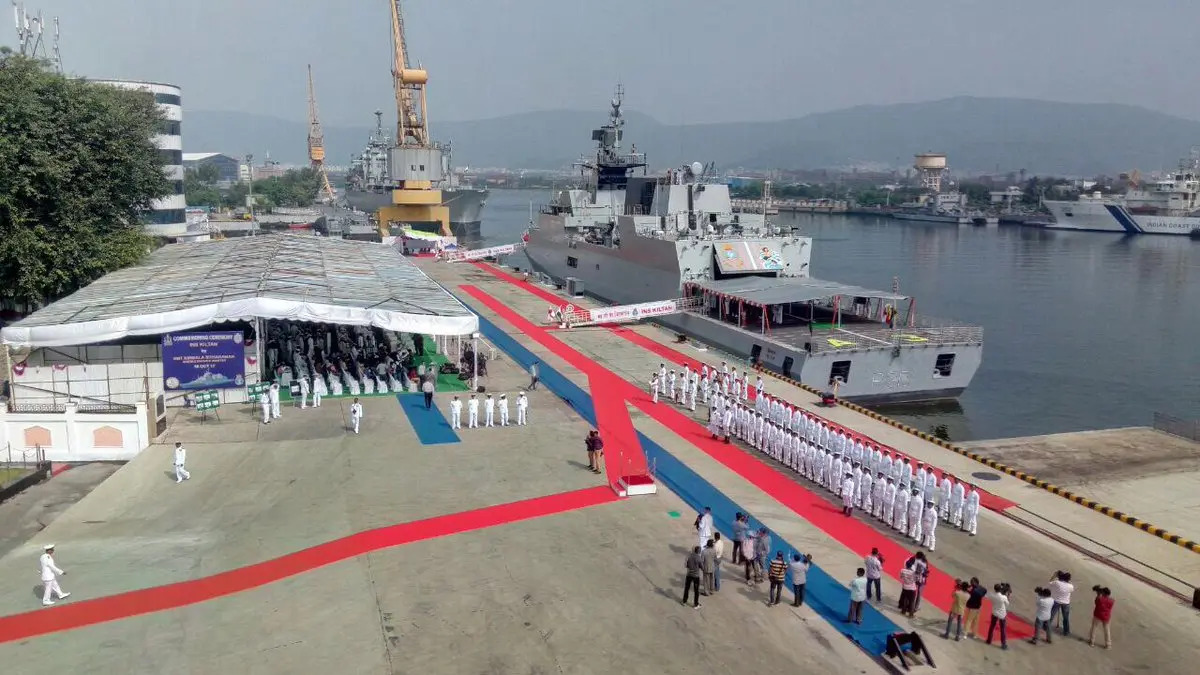
For the families left behind, life becomes a delicate balance between personal desire and patriotic acceptance. Birthdays are celebrated with half-empty chairs at the dinner table. Festivals come and go with the shadow of longing looming large. "You learn to make peace with it, we know the priority will always be the nation. The family comes second, and we embrace it, because that is the calling of their duty." Every sacrifice is made silently, every compromise is measured, and yet the love remains steadfast.
Even in the most ordinary moments, the impact of naval life is profound. Children mark the days until their father returns, and mothers stand by the window, watching distant ships sail beyond the horizon. The emotional strain is invisible to outsiders, yet it shapes the very fabric of these families. There is an unspoken resilience, a quiet dignity in the way they endure.
Hope becomes the currency of their lives. It is hope that a message will arrive, that a voice will crackle through the phone, that the distance will one day collapse into the warmth of homecoming. Lieutenant Commander reflects, "Even after months at sea, when you return and see your family, one glance back is where the whole world stays. That is what keeps you going, the thought that no matter how far duty takes you, love and hope will always anchor you."
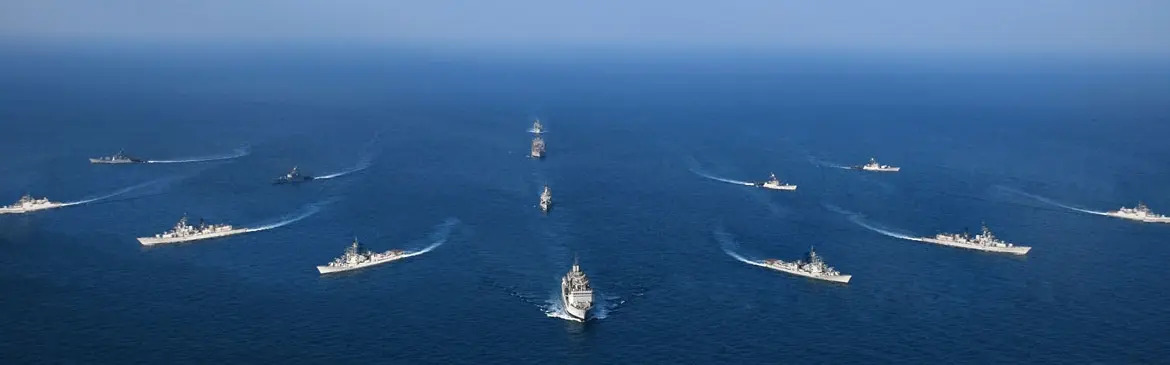
Life at sea is far harsher than most imagine. Days blur together in a cycle of broken sleep, endless duty, and the constant roar of machinery. The ship becomes a world of metal corridors, cramped bunks, and air thick with salt and fuel. The ocean is never still. It lifts and tosses the vessel like a toy, making even simple tasks feel like battles. Sailors endure long nights where the deck tilts beneath their feet, where meals spill, boots slide, and every movement demands instinctive balance. The horizon stretches endlessly, beautiful yet achingly lonely, reminding them that home is somewhere far beyond the waves.
Life in theNavy is also shaped by a strict culture of discretion, where identities cannot be revealed and personal stories must remain unnamed. It is a world lived behind carefully drawn curtains, guarded by silence and discipline. Families learn early that certain details cannot be shared, that photographs must be chosen thoughtfully, and that conversations often end before they truly begin. Sailors carry their experiences quietly, storing memories that cannot be spoken aloud, while their loved ones protect their absence with the same vigilance. In this life of secrecy and privacy, names fade into shadows, but the weight of their duty becomes even more profound.
The emotional strain runs deeper than the physical exhaustion. Weeks pass without land, with silence, without the steady comfort of a familiar voice. Communication breaks, calendars flip quietly, and milestones are missed without ceremony. Sailors swallow their longing and carry on, knowing there are no days off at sea and no room for error when the ocean decides to test them. Every night the sky becomes their only witness, and every dawn reminds them that duty will always come before rest. Yet they push through, fuelled by the thought that somewhere onshore, someone is waiting for their return.
The life of an Indian Navy sailor and their family is a testament to the human spirit. It is a story of patience threaded with longing, of resilience nurtured by hope, and of love that persists even when absence stretches across oceans. In the quiet spaces between duty and home, between waves and walls, these families live a life that is both extraordinary and deeply human. They endure not because it is easy, but because love, in its quiet, unyielding way, always finds a way to shine.
The writer is a third-yearBA Journalism and Mass Communication student with an enduring love for music and food. A devoted fiction reader, she spends her free time discovering new flavours, wandering through imaginative worlds, and finding stories in the everyday moments around her.
The sun rises over the horizon of a quiet coastal town in
A wife, whose husband is a Captain and has spent nearly two decades serving, describes the loneliness of naval duty with a quiet intensity. "During long deployments, sometimes we cannot contact him for months. I sleep with my phone on alert every night, hoping that one day it would be him," she admits. Each missed call, each silent calendar page turned, is a reminder of the distance between duty and domestic life. The sailors carry the weight of the nation on their shoulders, and their families learn to carry the weight of absence at home.
For the families left behind, life becomes a delicate balance between personal desire and patriotic acceptance. Birthdays are celebrated with half-empty chairs at the dinner table. Festivals come and go with the shadow of longing looming large. "You learn to make peace with it, we know the priority will always be the nation. The family comes second, and we embrace it, because that is the calling of their duty." Every sacrifice is made silently, every compromise is measured, and yet the love remains steadfast.
Even in the most ordinary moments, the impact of naval life is profound. Children mark the days until their father returns, and mothers stand by the window, watching distant ships sail beyond the horizon. The emotional strain is invisible to outsiders, yet it shapes the very fabric of these families. There is an unspoken resilience, a quiet dignity in the way they endure.
Hope becomes the currency of their lives. It is hope that a message will arrive, that a voice will crackle through the phone, that the distance will one day collapse into the warmth of homecoming. Lieutenant Commander reflects, "Even after months at sea, when you return and see your family, one glance back is where the whole world stays. That is what keeps you going, the thought that no matter how far duty takes you, love and hope will always anchor you."
Life at sea is far harsher than most imagine. Days blur together in a cycle of broken sleep, endless duty, and the constant roar of machinery. The ship becomes a world of metal corridors, cramped bunks, and air thick with salt and fuel. The ocean is never still. It lifts and tosses the vessel like a toy, making even simple tasks feel like battles. Sailors endure long nights where the deck tilts beneath their feet, where meals spill, boots slide, and every movement demands instinctive balance. The horizon stretches endlessly, beautiful yet achingly lonely, reminding them that home is somewhere far beyond the waves.
Life in the
The emotional strain runs deeper than the physical exhaustion. Weeks pass without land, with silence, without the steady comfort of a familiar voice. Communication breaks, calendars flip quietly, and milestones are missed without ceremony. Sailors swallow their longing and carry on, knowing there are no days off at sea and no room for error when the ocean decides to test them. Every night the sky becomes their only witness, and every dawn reminds them that duty will always come before rest. Yet they push through, fuelled by the thought that somewhere onshore, someone is waiting for their return.
The life of an Indian Navy sailor and their family is a testament to the human spirit. It is a story of patience threaded with longing, of resilience nurtured by hope, and of love that persists even when absence stretches across oceans. In the quiet spaces between duty and home, between waves and walls, these families live a life that is both extraordinary and deeply human. They endure not because it is easy, but because love, in its quiet, unyielding way, always finds a way to shine.
The writer is a third-year