On Her Own Terms: The Alysa Liu Comeback Story
Times of Bennett | Updated: Mar 08, 2026 13:06
Correspondent : Ananya Barath
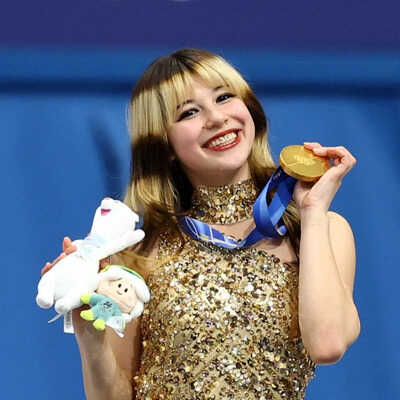
“I connect with everything, but I’m not attached to anything,” says newly crownedOlympic champion Alysa Liu , who embodies many of the defining traits of Gen Z. Her refusal to be anything other than unapologetically herself helped her seize women’s figure skating gold in both the singles and team events at the Milano Cortina 2026 Winter Olympics .
With her self-pierced teeth, halo-like hair, and infectious energy, the 20-year-old skater has swiftly captured the hearts of netizens around the world. But the fascination surroundingLiu has less to do with the gold medal itself and more with the remarkable journey that led her there.
 Leaving The Sport
Four years ago, Liu was already at the top of her game. At just 13 years old, she became the youngest U.S. national champion in history, landing triple Axels with an ease that left commentators searching for superlatives usually reserved for generational talents.
With major victories, including the Junior Grand Prix, already under her belt, Liu had quickly become a force to be reckoned with in international figure skating. By the time she competed in the Beijing 2022 Winter Olympics, she had already been widely cast as the future of American figure skating.
Which is why it came as a shock to the sporting world when Liu announced her retirement from competitive skating at the age of 16.
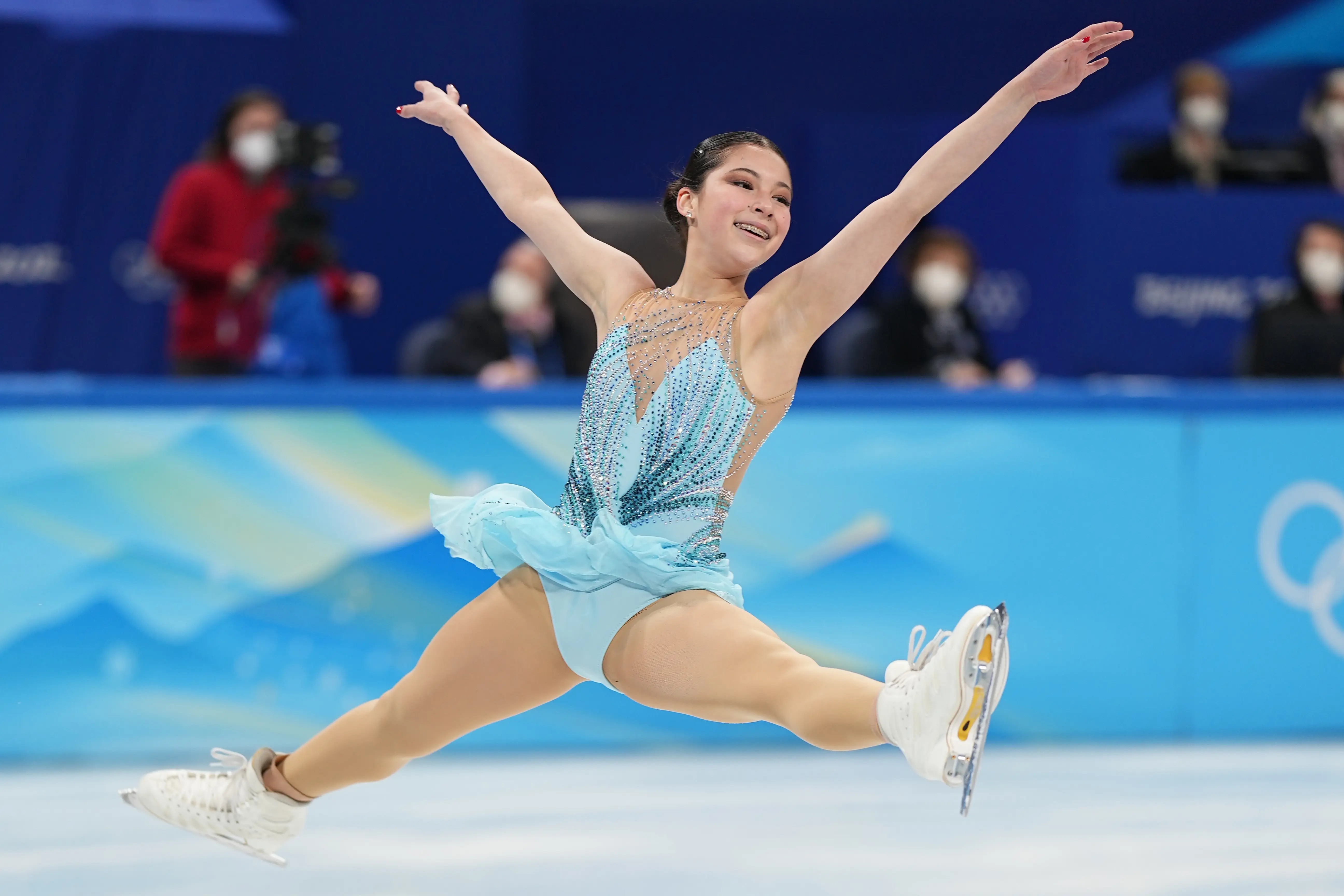 Caught in the relentless demands of elite competition, Liu later admitted that she had forgotten what it felt like to simply be a teenager.
“Skating takes up your whole life, almost. I don’t know if other people kind of feel the same when they look back at certain parts of their life, but for me, it's definitely a blur because it kind of meshes together—going to the rink, going home, competing. There were many, many times when I didn’t enjoy it.”
Determined to rediscover herself beyond the rink, Liu stepped away from the sport entirely. She began pursuing psychology at UCLA, travelled to Nepal, trekked to Everest Base Camp, and even experimented with sports like volleyball.
The person Liu became during this time was vastly different from the teenager who had once dominated the ice. She chose freedom over, in her own words, being “stuck in something so long.”
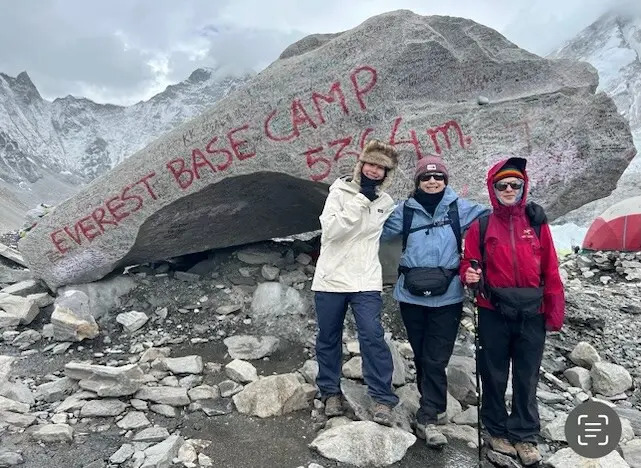 “It was the best thing I could have done for myself,” she later reflected when asked about her decision.
Yet, eventually, she realised she missed the ice.
The Prodigal Daughter Returns
A chance visit to a skating rink after a ski trip rekindled Liu’s old excitement. Feeling the familiar rush of adrenaline, she knew she wanted to return to the sport. But this time, she made it clear that her comeback would happen on her own terms.
“I get to pick my own program music and help with the creative aspects of the program. If I feel like I’m skating too much I’ll back down. If I feel like I’m not skating enough I’ll ramp it up. No one’s going to starve me or tell me what I can and can’t eat,” she said in a 60 Minutes interview.
In a sport historically known for glorifying relentless sacrifice from its athletes, Liu’s insistence on personal autonomy and balance represents a refreshing shift.
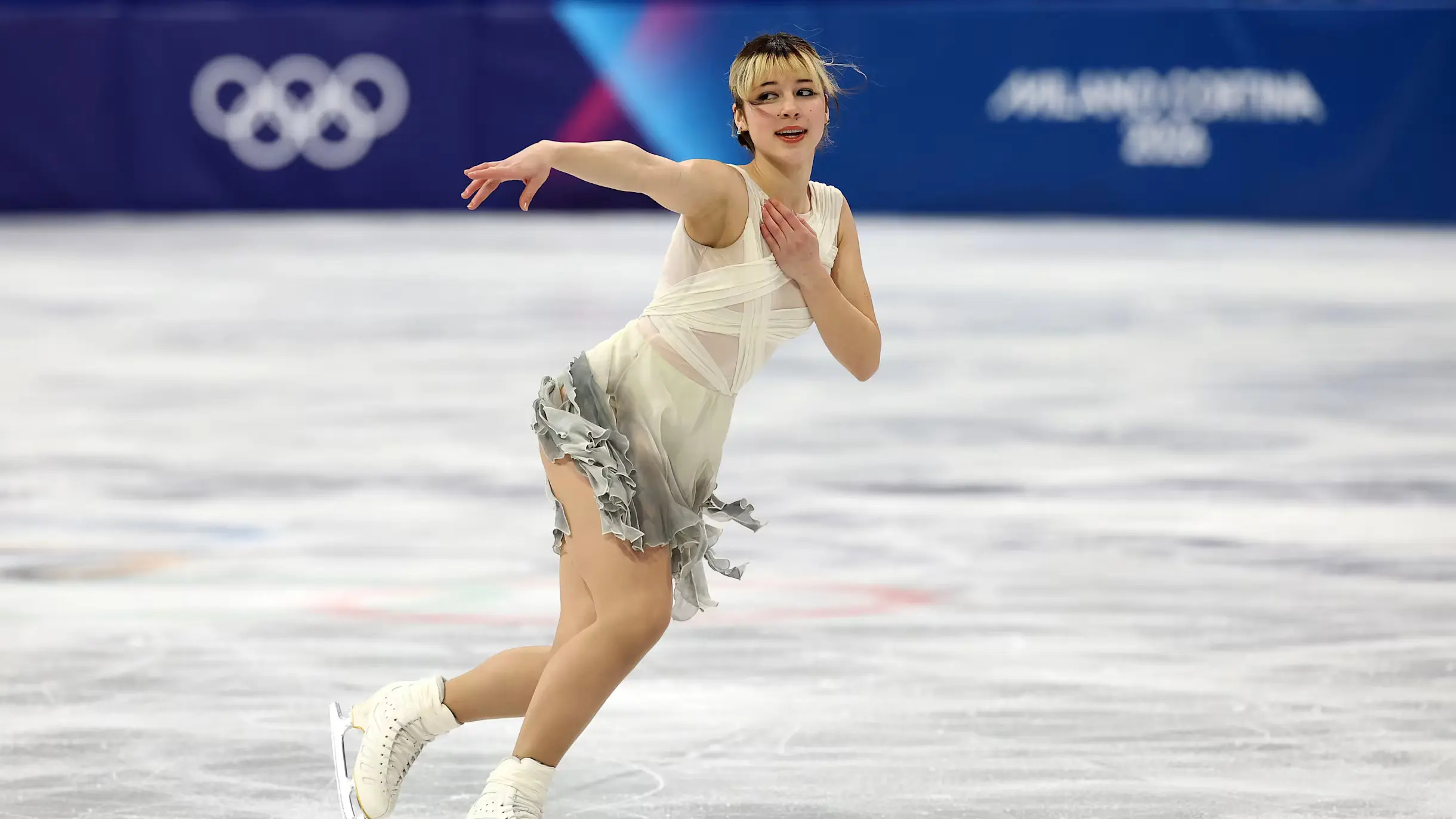 Her return to the Milano Cortina Games marked her second Winter Olympics, after finishing seventh in her previous Olympic appearance. Yet the skater who returned to the international stage bore little resemblance to the prodigy who had competed just a few years earlier. No longer the tiny teenager darting across the rink, Liu now relied on her complete artistry as a figure skater.
Her athleticism—honed through training and life experience—combined seamlessly with a dynamic personality and quiet confidence that could not be manufactured. She skated with a sense of joy that a 13-year-old prodigy might never have been able to muster.
This was no longer a child struggling to discover who she was, but a woman who knew exactly who she was and what she wanted—to bring joy back to a sport that often demands more than it gives.
“What I like to share about myself is my story, my art, and my creative process. Winning and losing doesn’t affect me anymore. Medalling doesn’t fulfil me. If there was no one on earth, I would still skate.”
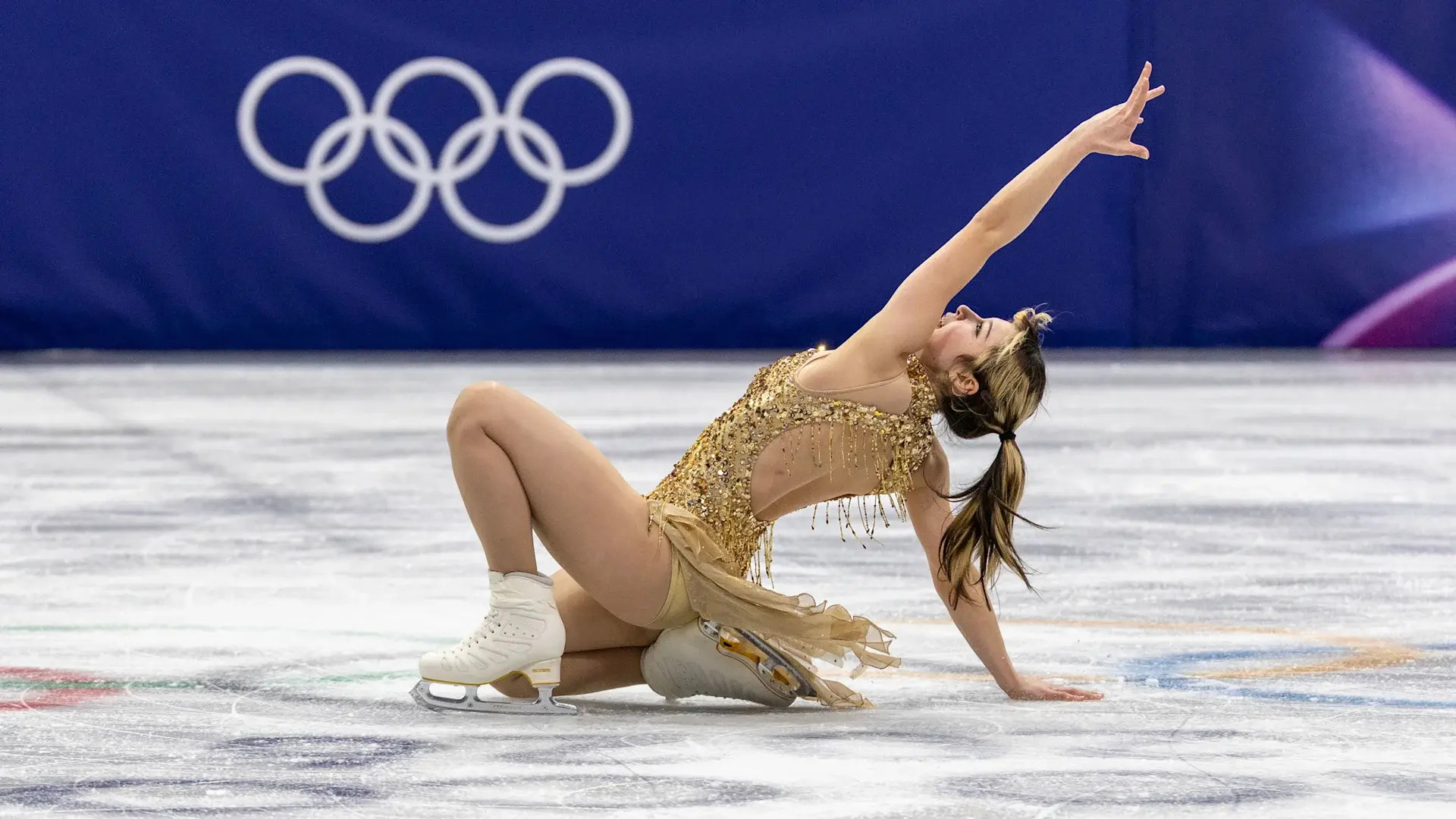
Ironically, it was this carefree philosophy that allowed Liu to shine brighter than ever at the 2026 Olympics. Her striking free skate to Donna Summer’s “MacArthur Park”—a performance that begins with a melancholic tone before transforming into an
upbeat disco rhythm—perfectly mirrored the emotional arc of Liu’s own journey. When she struck her iconic final pose, one thing was clear: Alysa Liu had just ended the United States’ 24-year Olympic gold drought in women’s figure skating.
What Defines an Olympian
Yet it was not only Liu’s performance on the ice that
captured public attention. Her sportsmanship stood out just as much as her skating. At the Kiss and Cry area, she appeared less concerned about her own medal prospects and more eager to celebrate her fellow competitors.
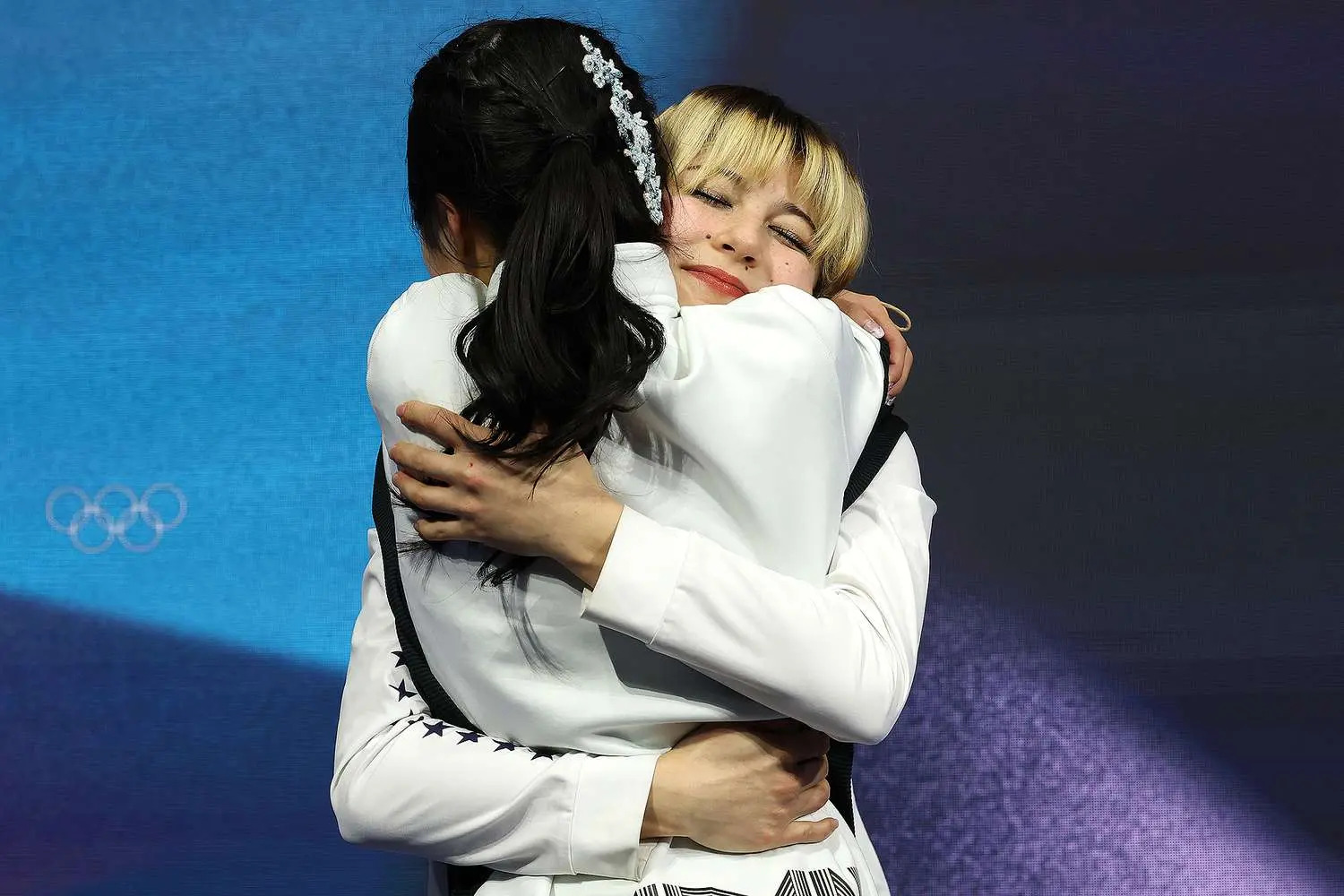
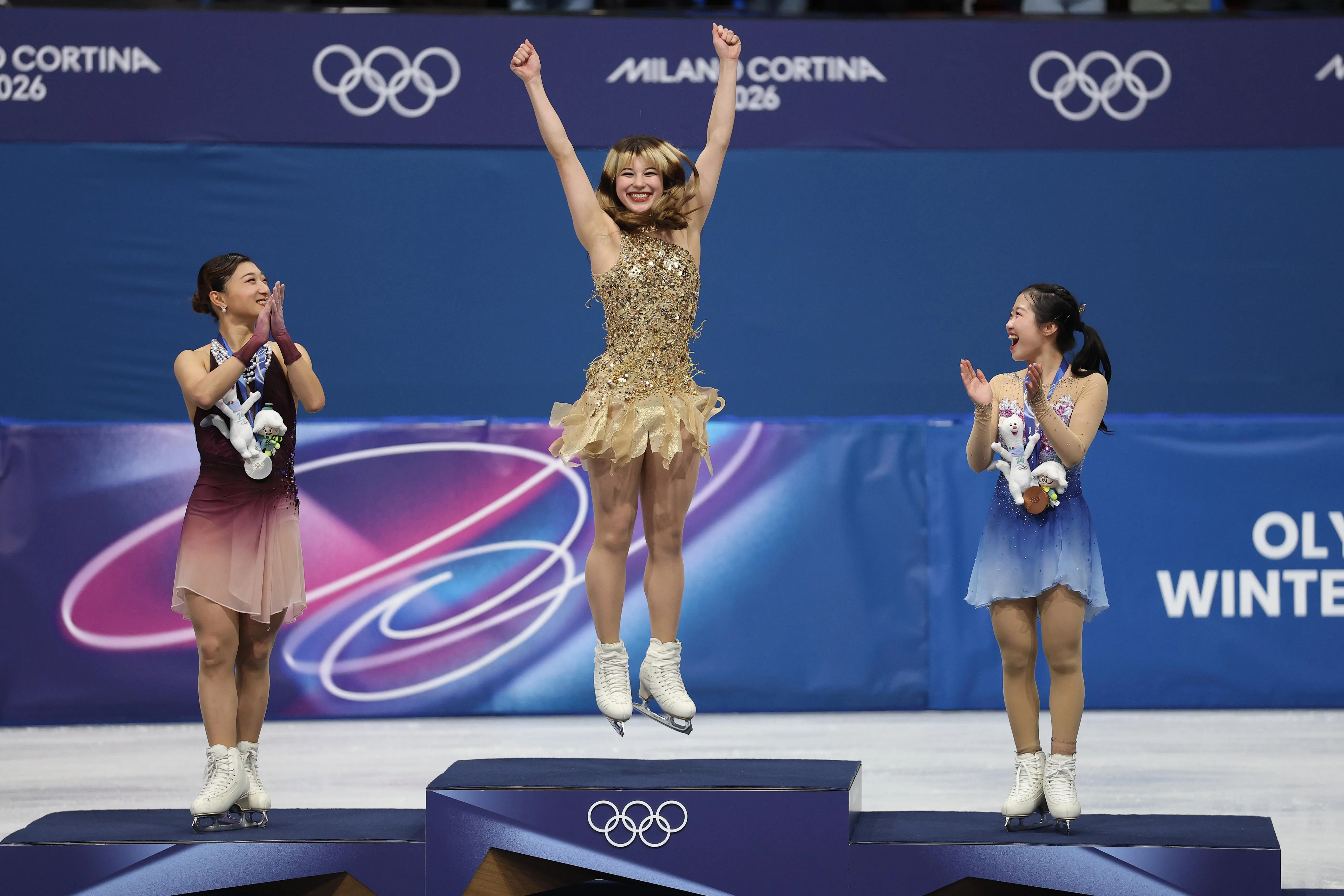
When Japan’s Ami Nakai secured the bronze medal, Liu was the first to run forward and embrace the 17-year-old skater, congratulating her warmly. Perhaps she saw a reflection of her younger self in the rising star. Her enthusiasm was returned in kind. In a charming moment on the podium, silver medalist Kaori Sakamoto showed Liu how to wrap her medal around her Olympic mascot plush toy for a celebratory selfie.
In a sport historically associated with fierce rivalries—memories of theTonya Harding and Nancy Kerrigan saga still linger—such warmth and camaraderie felt like a breath of fresh air.
The New Internet Darling
Liu’s candid openness about mental health struggles and her almost fairy-tale-like comeback have made her a powerful role model.
Nicknamed the “unbothered queen” online, her story has resonated widely, inspiring others to pursue their own paths without fear of judgment.
Her determination does not arise from a need for external validation but from a quiet sense of self-acceptance. In a culture that often interprets pauses or breaks as failures, Liu demonstrates that there is strength in walking away from something—even something prestigious—when it stops bringing joy.
“What matters most is the input and the journey. Take a break to give yourself a different perspective. I would say that’s the way to
do it. Don’t let anyone push you past your limit.”
By reclaiming control of her own narrative, Alysa Liu represents a new generation of athletes—one that refuses to be constrained by outdated expectations of sacrifice and perfection.
(This article is written by Ananya Barath, a second-year BA Mass Communication student who is fueled by an obsession with stories that blend the ancient with the modern (yes, she's the type to speculate whether
Iron Man would beat Theseus in battle).
“I connect with everything, but I’m not attached to anything,” says newly crowned
With her self-pierced teeth, halo-like hair, and infectious energy, the 20-year-old skater has swiftly captured the hearts of netizens around the world. But the fascination surrounding
Four years ago, Liu was already at the top of her game. At just 13 years old, she became the youngest U.S. national champion in history, landing triple Axels with an ease that left commentators searching for superlatives usually reserved for generational talents.
With major victories, including the Junior Grand Prix, already under her belt, Liu had quickly become a force to be reckoned with in international figure skating. By the time she competed in the Beijing 2022 Winter Olympics, she had already been widely cast as the future of American figure skating.
Which is why it came as a shock to the sporting world when Liu announced her retirement from competitive skating at the age of 16.
“Skating takes up your whole life, almost. I don’t know if other people kind of feel the same when they look back at certain parts of their life, but for me, it's definitely a blur because it kind of meshes together—going to the rink, going home, competing. There were many, many times when I didn’t enjoy it.”
Determined to rediscover herself beyond the rink, Liu stepped away from the sport entirely. She began pursuing psychology at UCLA, travelled to Nepal, trekked to Everest Base Camp, and even experimented with sports like volleyball.
The person Liu became during this time was vastly different from the teenager who had once dominated the ice. She chose freedom over, in her own words, being “stuck in something so long.”
Yet, eventually, she realised she missed the ice.
The Prodigal Daughter Returns
A chance visit to a skating rink after a ski trip rekindled Liu’s old excitement. Feeling the familiar rush of adrenaline, she knew she wanted to return to the sport. But this time, she made it clear that her comeback would happen on her own terms.
“I get to pick my own program music and help with the creative aspects of the program. If I feel like I’m skating too much I’ll back down. If I feel like I’m not skating enough I’ll ramp it up. No one’s going to starve me or tell me what I can and can’t eat,” she said in a 60 Minutes interview.
In a sport historically known for glorifying relentless sacrifice from its athletes, Liu’s insistence on personal autonomy and balance represents a refreshing shift.
Her athleticism—honed through training and life experience—combined seamlessly with a dynamic personality and quiet confidence that could not be manufactured. She skated with a sense of joy that a 13-year-old prodigy might never have been able to muster.
This was no longer a child struggling to discover who she was, but a woman who knew exactly who she was and what she wanted—to bring joy back to a sport that often demands more than it gives.
“What I like to share about myself is my story, my art, and my creative process. Winning and losing doesn’t affect me anymore. Medalling doesn’t fulfil me. If there was no one on earth, I would still skate.”
Ironically, it was this carefree philosophy that allowed Liu to shine brighter than ever at the 2026 Olympics. Her striking free skate to Donna Summer’s “MacArthur Park”—a performance that begins with a melancholic tone before transforming into an
upbeat disco rhythm—perfectly mirrored the emotional arc of Liu’s own journey. When she struck her iconic final pose, one thing was clear: Alysa Liu had just ended the United States’ 24-year Olympic gold drought in women’s figure skating.
What Defines an Olympian
Yet it was not only Liu’s performance on the ice that
captured public attention. Her sportsmanship stood out just as much as her skating. At the Kiss and Cry area, she appeared less concerned about her own medal prospects and more eager to celebrate her fellow competitors.
When Japan’s Ami Nakai secured the bronze medal, Liu was the first to run forward and embrace the 17-year-old skater, congratulating her warmly. Perhaps she saw a reflection of her younger self in the rising star. Her enthusiasm was returned in kind. In a charming moment on the podium, silver medalist Kaori Sakamoto showed Liu how to wrap her medal around her Olympic mascot plush toy for a celebratory selfie.
In a sport historically associated with fierce rivalries—memories of the
The New Internet Darling
Liu’s candid openness about mental health struggles and her almost fairy-tale-like comeback have made her a powerful role model.
Nicknamed the “unbothered queen” online, her story has resonated widely, inspiring others to pursue their own paths without fear of judgment.
Her determination does not arise from a need for external validation but from a quiet sense of self-acceptance. In a culture that often interprets pauses or breaks as failures, Liu demonstrates that there is strength in walking away from something—even something prestigious—when it stops bringing joy.
“What matters most is the input and the journey. Take a break to give yourself a different perspective. I would say that’s the way to
do it. Don’t let anyone push you past your limit.”
By reclaiming control of her own narrative, Alysa Liu represents a new generation of athletes—one that refuses to be constrained by outdated expectations of sacrifice and perfection.
(This article is written by Ananya Barath, a second-year BA Mass Communication student who is fueled by an obsession with stories that blend the ancient with the modern (yes, she's the type to speculate whether
Iron Man would beat Theseus in battle).