Opera and Ballet: Why Timothée Chalamet’s comments couldn’t even make a ‘dent’ on the art forms
Times of Bennett | Updated: Mar 23, 2026 12:28
Correspondent: Aditya Zharotia
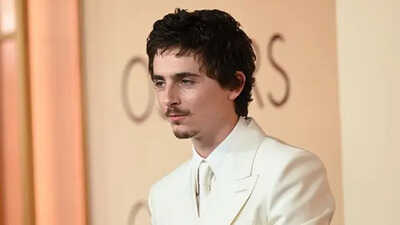
American-French actor Timothée Chalamet thought no one would care, sitting with actor Matthew McConaughey and in front of thewhole world. But the wholeOpera and Ballet community came together to do what was right: speak together as a unit.
“I don’t want to be working in ballet, or opera… things where it’s like, ‘Hey, keep this thing alive, even though no one cares about this anymore,’” he said. His quick follow-up “All respect to all the ballet and opera people out there” in a recorded conversation with Variety did little to soften the blow
The backlash was swift. From institutions to individual performers, the response ranged from defensive to indignant. The Metropolitan Opera took to TikTok, showcasing the vast creative workforce behind its productions. The Royal Ballet and Opera insisted that thousands still fill their auditoriums. Even renowned figures likeMisty Copeland pushed back, while tenor Andrea Bocelli extended an invitation, perhaps hoping Chalamet might reconsider after hearing Nessun Dorma live.
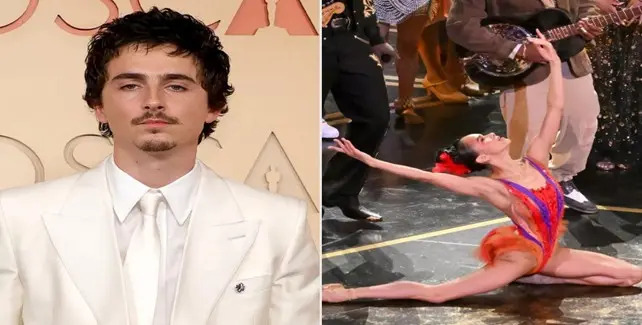
But beneath the outrage lies an uncomfortable truth: Chalamet isn’t entirely wrong.
While opera houses may still draw crowds, post-pandemic realities tell a different story. Audience numbers have dipped, productions have shrunk, and many artists now find themselves out of work. Appreciation alone, it turns out, does not sustain an art form. Opera and ballet risk drifting into the same cultural margins as stamp collecting or blacksmithing admired, but rarely engaged with.
The contradiction is striking. Many who rushed to label Chalamet “uncultured” are not regular ticket buyers themselves. There
is, increasingly, a gap between performative appreciation and meaningful support. In an era of endless entertainment options streaming platforms, gaming, social media one can clearly feel that traditional art forms are no longer competing with each other, but with everything.
And then there’s the question of accessibility. For many, opera and ballet still carry an aura of exclusivity. Ticket prices can be prohibitive, and the culture surrounding these spaces often feels unwelcoming. As dancer Amar Smalls bluntly put it online, attending ballet can feel like choosing between Nobu and McDonald’s which is an experience coded by class as much as taste.
For younger audiences especially, the barrier isn’t just cost it’s relevance.
Efforts have been made. Discounted tickets for under-25s, outreach programmes, youth memberships. Yet these initiatives largely attract those already inclined toward the arts. The challenge remains: how do you persuade someone to choose La Bohème over Netflix, or Giselle over a night out with friends?
Perhaps the answer lies not in defending tradition, but in reimagining it.
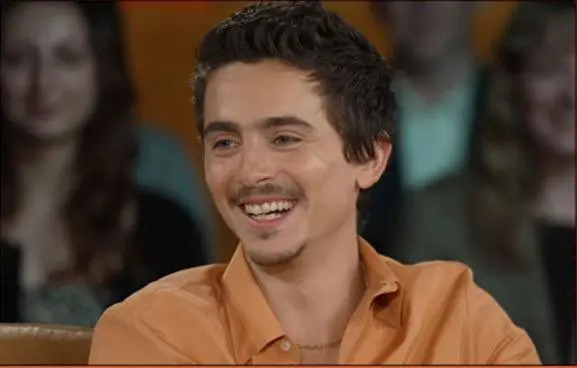
There have been flashes of what this could look like. When theRoyal Opera House premiered Anna Nicole in 2011, a bold, unconventional production drew in audiences who might never have otherwise stepped inside. It was accessible, contemporary, and culturally aware. And yet, such experimentation has been the exception, not the rule.
Meanwhile, other parts of the performing arts are adapting. Theatre, long grappling with similar challenges, has begun embracing spectacle and innovation. Big names, bold programming, and unexpected collaborations are drawing in new audiences. The upcoming involvement of Quentin Tarantino in the West End, and the buzz around George R. R. Martin’s stage ventures, signal a shift toward blending tradition with popular culture.
Cinema, too, offers lessons. Ironically, Chalamet himself exemplifies this evolution. His promotional campaigns are playful,
unconventional, and deeply attuned to digital culture that have helped broaden the appeal of his films beyond niche audiences. In an attention economy, visibility matters as much as quality.
So what might this mean for opera and ballet?
It may be time to embrace risk. To experiment. To collaborate. Imagine new works shaped by contemporary voices through artists like Lady Gaga or Bad Bunny not as gimmicks, but as genuine attempts to bridge cultural divides. The idea may sound provocative, even irreverent. But so did many now-classic innovations in their time.
Ultimately, the question is not whether opera and ballet are valuable they undoubtedly are. The question is whether they are willing to evolve in order to remain so.
Chalamet’s comment, controversial as it was, might best be understood not as an attack, but as feedback from the very audience these art forms need to reach. Instead of dismissing it, the industry could do something far more productive: listen.
Because survival in the modern cultural landscape demands more than reverence for the past. It requires imagination for the future.
And perhaps, in an unexpected way, a little gratitude for the conversation that started it all.
(This article is written by Aditya Zharotia, a Masters student of Mass Communication. He's passionate about cinema, music and aspires to go into the advertising industry)
American-French actor Timothée Chalamet thought no one would care, sitting with actor Matthew McConaughey and in front of thewhole world. But the whole
“I don’t want to be working in ballet, or opera… things where it’s like, ‘Hey, keep this thing alive, even though no one cares about this anymore,’” he said. His quick follow-up “All respect to all the ballet and opera people out there” in a recorded conversation with Variety did little to soften the blow
The backlash was swift. From institutions to individual performers, the response ranged from defensive to indignant. The Metropolitan Opera took to TikTok, showcasing the vast creative workforce behind its productions. The Royal Ballet and Opera insisted that thousands still fill their auditoriums. Even renowned figures like
But beneath the outrage lies an uncomfortable truth: Chalamet isn’t entirely wrong.
While opera houses may still draw crowds, post-pandemic realities tell a different story. Audience numbers have dipped, productions have shrunk, and many artists now find themselves out of work. Appreciation alone, it turns out, does not sustain an art form. Opera and ballet risk drifting into the same cultural margins as stamp collecting or blacksmithing admired, but rarely engaged with.
The contradiction is striking. Many who rushed to label Chalamet “uncultured” are not regular ticket buyers themselves. There
is, increasingly, a gap between performative appreciation and meaningful support. In an era of endless entertainment options streaming platforms, gaming, social media one can clearly feel that traditional art forms are no longer competing with each other, but with everything.
And then there’s the question of accessibility. For many, opera and ballet still carry an aura of exclusivity. Ticket prices can be prohibitive, and the culture surrounding these spaces often feels unwelcoming. As dancer Amar Smalls bluntly put it online, attending ballet can feel like choosing between Nobu and McDonald’s which is an experience coded by class as much as taste.
For younger audiences especially, the barrier isn’t just cost it’s relevance.
Efforts have been made. Discounted tickets for under-25s, outreach programmes, youth memberships. Yet these initiatives largely attract those already inclined toward the arts. The challenge remains: how do you persuade someone to choose La Bohème over Netflix, or Giselle over a night out with friends?
Perhaps the answer lies not in defending tradition, but in reimagining it.
There have been flashes of what this could look like. When the
Meanwhile, other parts of the performing arts are adapting. Theatre, long grappling with similar challenges, has begun embracing spectacle and innovation. Big names, bold programming, and unexpected collaborations are drawing in new audiences. The upcoming involvement of Quentin Tarantino in the West End, and the buzz around George R. R. Martin’s stage ventures, signal a shift toward blending tradition with popular culture.
Cinema, too, offers lessons. Ironically, Chalamet himself exemplifies this evolution. His promotional campaigns are playful,
unconventional, and deeply attuned to digital culture that have helped broaden the appeal of his films beyond niche audiences. In an attention economy, visibility matters as much as quality.
So what might this mean for opera and ballet?
It may be time to embrace risk. To experiment. To collaborate. Imagine new works shaped by contemporary voices through artists like Lady Gaga or Bad Bunny not as gimmicks, but as genuine attempts to bridge cultural divides. The idea may sound provocative, even irreverent. But so did many now-classic innovations in their time.
Ultimately, the question is not whether opera and ballet are valuable they undoubtedly are. The question is whether they are willing to evolve in order to remain so.
Chalamet’s comment, controversial as it was, might best be understood not as an attack, but as feedback from the very audience these art forms need to reach. Instead of dismissing it, the industry could do something far more productive: listen.
Because survival in the modern cultural landscape demands more than reverence for the past. It requires imagination for the future.
And perhaps, in an unexpected way, a little gratitude for the conversation that started it all.
(This article is written by Aditya Zharotia, a Masters student of Mass Communication. He's passionate about cinema, music and aspires to go into the advertising industry)