Three Days of “Uphoria”: When the Campus Turned into a Universe
Times of Bennett | Updated: Feb 27, 2026 17:21
Correspondent: Priyanshi Sharma
For three unforgettable days, the BU campus stopped being ordinary. It did not feel like classrooms, corridors, and attendance registers anymore. It felt like a universe of its own—louder, brighter, and infinitely more alive. “Uphoria” was not just a college fest; it was an experience that transformed the familiar into something extraordinary.
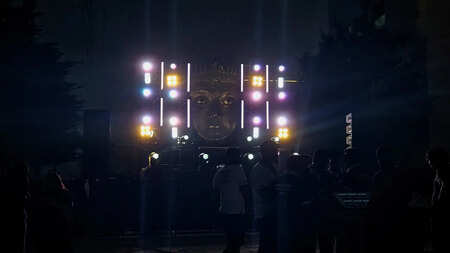
The German hanger no longer looked like an empty structure—it turned into a full-fledged concert arena. Classrooms lost their academic seriousness and became rehearsal studios. Mic checks echoed across
corridors. Last-minute script edits happened on staircases. Dance teams practised tirelessly under dim lights. Committees rushed across campus with walkie-talkies, schedules in hand, and determination in their eyes. Chaos was constant, but so was excitement.
Sleep was optional during these three days; adrenaline was
not. Music filled the air from morning till night. From solo singing performances to energetic group dances, every stage had its own rhythm. Fashion shows brought glamour and confidence. Dramatics performances drew
applause and goosebumps. The campus vibrated with laughter, cheers, and the sound of hundreds of voices coming together.
Students who had never stepped onto a stage before found themselves under spotlights. Some trembled, some stumbled, but most discovered a version of themselves they had never met. Performers owned the stage with
confidence that surprised even them. Hosts handled crowds with charisma. Volunteers managed registrations, crowds, and backstage panic with impressive calm.
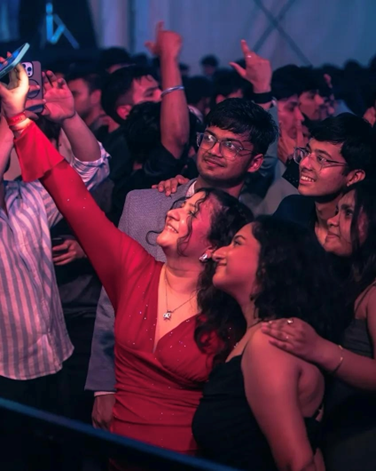
Uphoria was built on teamwork. Months of preparation had led to these three days. Behind every event was a committee that had worked through stress, miscommunication, and countless planning meetings. Coordinators handled sponsors. Designers created posters and social media creatives. Technical teams managed lights and sound systems. Logistics teams ensured everything ran on time.
Somewhere between the pressure and the performances, bonds were formed. Strangers became teammates. Teammates became friends. Small friend circles expanded as people collaborated on shared responsibilities.
Laughter during late-night rehearsals became inside jokes. Shared stress turned into shared pride. Committees that once operated like task-based groups began to feel like families.
Shreya, a student of BAMC, shares, “For three days, everything was loud, exciting, and full of people. I performed in front of such a huge audience for the first time. I was nervous, but once I stepped on stage, something changed. It felt empowering.”
Mohini from TSOM adds, “The energy during Uphoria was unreal. Running between rehearsals and event duties was exhausting, but it was the good kind of exhaustion. I met so many new people. We practised till late and still showed up the next morning with the same excitement.”
What truly defined Uphoria was not just the performances, but participation. Students who usually sat quietly in lectures were seen directing events. Some handled crowd control. Others managed backstage coordination. Many stepped out of their comfort zones, taking risks they might not have taken on a regular college day.
There was creativity everywhere. Hand-painted banners decorated walls. Stalls added colour to open spaces. Photography teams captured candid laughter and dramatic stage moments. Social media handles buzzed with
live updates, reels, and behind-the-scenes glimpses.
Even the chaos had its charm. There were last-minute changes in line-ups. Technical glitches that demanded quick thinking. Missing props that had to be replaced in minutes. But each problem became a story, and each solution became a small victory. The rush of solving things on the spot added to the thrill.
Uphoria blurred the boundaries between departments. Seniors and juniors worked side by side. Faculty members watched performances with pride. The campus community felt united in a way that routine academic days rarely allow.
More than anything, the fest became a space for expression. It reminded everyone that college life is not confined to lectures and assignments. It is also about creativity, courage, chaos, and collaboration.
For performers, Uphoria meant confidence. For organisers, it meant achievement. For attendees, it meantmemories . For everyone, it meant growth.
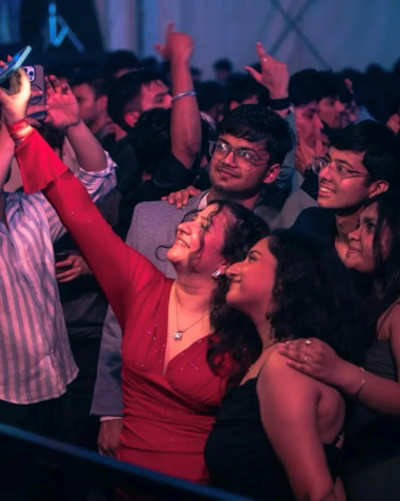
For three days, students lived louder. They cheered harder. They danced freely. They expressed themselves without hesitation. The ordinary timetable paused, and something vibrant took its place.
Uphoria may officially last only three days on the calendar, but within those days, something shifts. Perspectives expand. Friend circles grow. Fears shrink. And memories are created that will quietly stay long after
graduation.
Because sometimes, it only takes three days to remind a campus what it is truly capable of becoming.
(This article is written by Priyanshi Sharma, a Semester 4 BAMC student passionate about thoughtful storytelling and expressing meaningful perspectives through her writing)
For three unforgettable days, the BU campus stopped being ordinary. It did not feel like classrooms, corridors, and attendance registers anymore. It felt like a universe of its own—louder, brighter, and infinitely more alive. “Uphoria” was not just a college fest; it was an experience that transformed the familiar into something extraordinary.
The German hanger no longer looked like an empty structure—it turned into a full-fledged concert arena. Classrooms lost their academic seriousness and became rehearsal studios. Mic checks echoed across
corridors. Last-minute script edits happened on staircases. Dance teams practised tirelessly under dim lights. Committees rushed across campus with walkie-talkies, schedules in hand, and determination in their eyes. Chaos was constant, but so was excitement.
Sleep was optional during these three days; adrenaline was
not. Music filled the air from morning till night. From solo singing performances to energetic group dances, every stage had its own rhythm. Fashion shows brought glamour and confidence. Dramatics performances drew
applause and goosebumps. The campus vibrated with laughter, cheers, and the sound of hundreds of voices coming together.
Students who had never stepped onto a stage before found themselves under spotlights. Some trembled, some stumbled, but most discovered a version of themselves they had never met. Performers owned the stage with
confidence that surprised even them. Hosts handled crowds with charisma. Volunteers managed registrations, crowds, and backstage panic with impressive calm.
Somewhere between the pressure and the performances, bonds were formed. Strangers became teammates. Teammates became friends. Small friend circles expanded as people collaborated on shared responsibilities.
Laughter during late-night rehearsals became inside jokes. Shared stress turned into shared pride. Committees that once operated like task-based groups began to feel like families.
Shreya, a student of BAMC, shares, “For three days, everything was loud, exciting, and full of people. I performed in front of such a huge audience for the first time. I was nervous, but once I stepped on stage, something changed. It felt empowering.”
Mohini from TSOM adds, “The energy during Uphoria was unreal. Running between rehearsals and event duties was exhausting, but it was the good kind of exhaustion. I met so many new people. We practised till late and still showed up the next morning with the same excitement.”
What truly defined Uphoria was not just the performances, but participation. Students who usually sat quietly in lectures were seen directing events. Some handled crowd control. Others managed backstage coordination. Many stepped out of their comfort zones, taking risks they might not have taken on a regular college day.
There was creativity everywhere. Hand-painted banners decorated walls. Stalls added colour to open spaces. Photography teams captured candid laughter and dramatic stage moments. Social media handles buzzed with
live updates, reels, and behind-the-scenes glimpses.
Even the chaos had its charm. There were last-minute changes in line-ups. Technical glitches that demanded quick thinking. Missing props that had to be replaced in minutes. But each problem became a story, and each solution became a small victory. The rush of solving things on the spot added to the thrill.
Uphoria blurred the boundaries between departments. Seniors and juniors worked side by side. Faculty members watched performances with pride. The campus community felt united in a way that routine academic days rarely allow.
More than anything, the fest became a space for expression. It reminded everyone that college life is not confined to lectures and assignments. It is also about creativity, courage, chaos, and collaboration.
For performers, Uphoria meant confidence. For organisers, it meant achievement. For attendees, it meant
For three days, students lived louder. They cheered harder. They danced freely. They expressed themselves without hesitation. The ordinary timetable paused, and something vibrant took its place.
Uphoria may officially last only three days on the calendar, but within those days, something shifts. Perspectives expand. Friend circles grow. Fears shrink. And memories are created that will quietly stay long after
graduation.
Because sometimes, it only takes three days to remind a campus what it is truly capable of becoming.
(This article is written by Priyanshi Sharma, a Semester 4 BAMC student passionate about thoughtful storytelling and expressing meaningful perspectives through her writing)