BAFTA Awards 2026: Big Wins, Historic Moments and a Night of Conversation
Times of Bennett | Updated: Mar 08, 2026 12:47
Correspondent: Gurnoor Mann
One of the biggest highlights for Indian cinema came when the Manipuri-language film Boong won Best Children’s and Family Film, marking a significant milestone on the global stage. Another widely appreciated moment occurred whenAlia Bhatt began her presentation with a warm “Namaskar” and a short line in Hindi before switching to English—a gesture celebrating
linguistic diversity that quickly drew praise across social media.
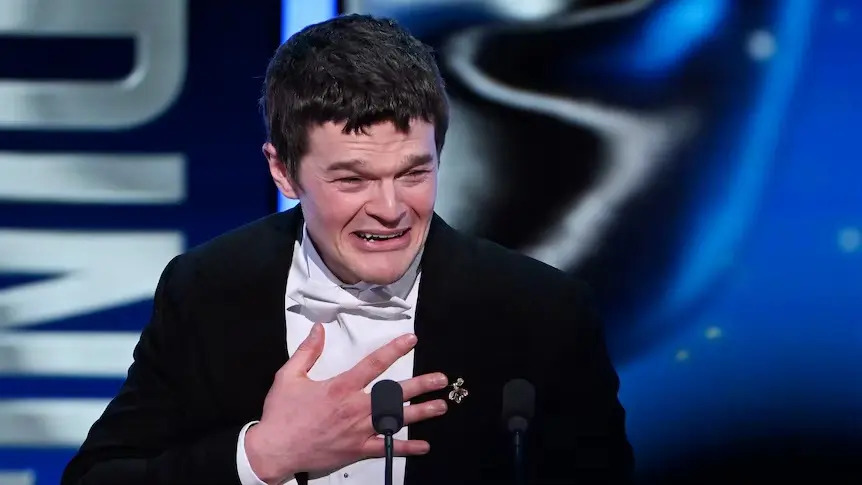
While Paul Thomas Anderson’s One Battle After Another led the tally with multiple wins, it was I Swear that delivered the emotional high point of the evening. Robert Aramayo won both the EE Rising Star Award and Best Leading Actor for his portrayal of a man growing up withTourette
syndrome in 1980s Scotland. Visibly overwhelmed, Aramayo broke down in tears while accepting his award, humbly acknowledging his fellow nominees, including Leonardo
DiCaprio and Timothée Chalamet. The film also secured Best Casting, making it one of the night’s quiet yet powerful triumphs.
 Another standout was Ryan Coogler’s vampire epic Sinners, which secured three awards, including Best Original Screenplay and Best Supporting Actress for Wunmi Mosaku. The film’s success marked a milestone, becoming the most decorated film directed by a Black filmmaker in
 BAFTA history.
Chloé Zhao’s Hamnet, an adaptation of Maggie
O’Farrell’s acclaimed novel about Shakespeare’s family tragedy, won Outstanding British Film and Best Leading Actress for Jessie Buckley. Buckley’s emotionally raw portrayal of grief has firmly positioned her as a strong contender heading
into the Academy Awards.
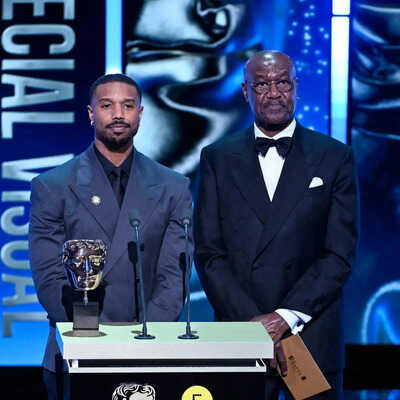
However, the ceremony was not without controversy. The BBC issued an apology after a racial slur, shouted involuntarily by guest John
Davidson, who lives with Tourette syndrome, was not edited out of the delayed broadcast. The incident occurred while Michael B. Jordan and Delroy Lindo were presenting on stage. Both BAFTA and the BBC later apologised, sparking discussions about the challenges of live broadcasting, editorial
responsibility, and awareness surrounding neurological conditions.
Amid these headline-grabbing moments, India had significant reasons to celebrate. The Manipuri-language film Boong, directed by Lakshmipriya
Devi and backed by Farhan Akhtar’s Excel Entertainment, won Best Children’s and
Family Film. Competing against global titles such as Zootopia 2 and Lilo & Stitch, the film’s victory marked a historic first for an Indian film in this category. In her acceptance speech, Devi also called for peace in Manipur, using the global platform to highlight the region’s ongoing unrest.
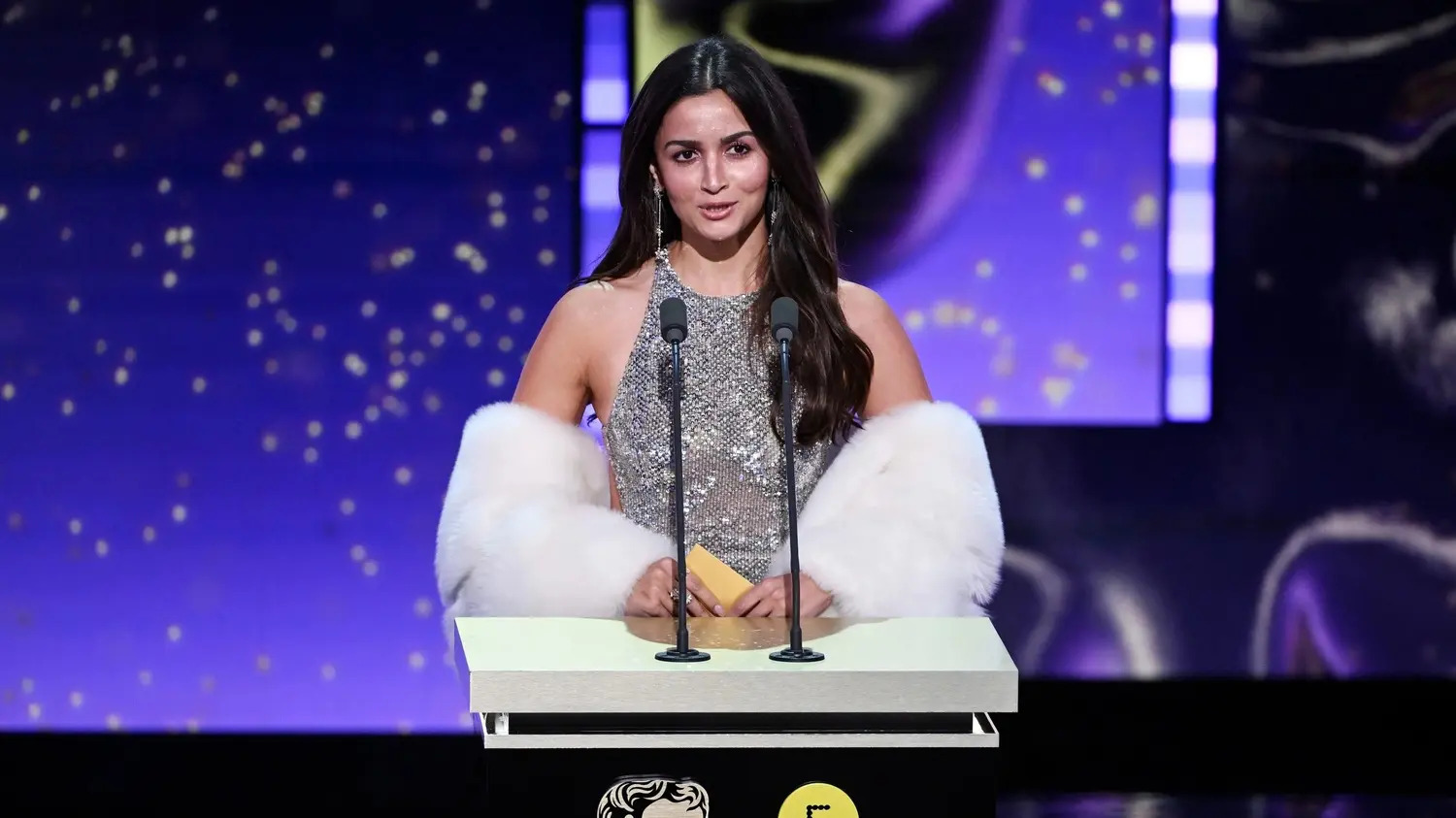
Alia Bhatt also made a strong impression while presenting the award forBest Film Not in the English Language. Beginning her speech with
“Namaskar” and a line in Hindi before transitioning to English, she described cinema as a universal language, a gesture that resonated widely with audiences both in India and abroad.
 From emotional speeches and political undertones to historic wins and broadcast controversies, the 2026 BAFTA Awards delivered a ceremony that balanced celebration with reflection. Beyond the glamour of the red carpet, the evening served as a reminder that cinema is not only about storytelling—it is also about representation, responsibility and meaningful
conversation.
(The author is a second-year BA Mass Communication student who is passionate about storytelling, digital marketing, and enjoys keeping herself busy with various creative projects)
One of the biggest highlights for Indian cinema came when the Manipuri-language film Boong won Best Children’s and Family Film, marking a significant milestone on the global stage. Another widely appreciated moment occurred when
linguistic diversity that quickly drew praise across social media.
While Paul Thomas Anderson’s One Battle After Another led the tally with multiple wins, it was I Swear that delivered the emotional high point of the evening. Robert Aramayo won both the EE Rising Star Award and Best Leading Actor for his portrayal of a man growing up with
syndrome in 1980s Scotland. Visibly overwhelmed, Aramayo broke down in tears while accepting his award, humbly acknowledging his fellow nominees, including Leonardo
DiCaprio and Timothée Chalamet. The film also secured Best Casting, making it one of the night’s quiet yet powerful triumphs.
Chloé Zhao’s Hamnet, an adaptation of Maggie
O’Farrell’s acclaimed novel about Shakespeare’s family tragedy, won Outstanding British Film and Best Leading Actress for Jessie Buckley. Buckley’s emotionally raw portrayal of grief has firmly positioned her as a strong contender heading
into the Academy Awards.
However, the ceremony was not without controversy. The BBC issued an apology after a racial slur, shouted involuntarily by guest John
Davidson, who lives with Tourette syndrome, was not edited out of the delayed broadcast. The incident occurred while Michael B. Jordan and Delroy Lindo were presenting on stage. Both BAFTA and the BBC later apologised, sparking discussions about the challenges of live broadcasting, editorial
responsibility, and awareness surrounding neurological conditions.
Amid these headline-grabbing moments, India had significant reasons to celebrate. The Manipuri-language film Boong, directed by Lakshmipriya
Devi and backed by Farhan Akhtar’s Excel Entertainment, won Best Children’s and
Family Film. Competing against global titles such as Zootopia 2 and Lilo & Stitch, the film’s victory marked a historic first for an Indian film in this category. In her acceptance speech, Devi also called for peace in Manipur, using the global platform to highlight the region’s ongoing unrest.
Alia Bhatt also made a strong impression while presenting the award for
“Namaskar” and a line in Hindi before transitioning to English, she described cinema as a universal language, a gesture that resonated widely with audiences both in India and abroad.
conversation.
(The author is a second-year BA Mass Communication student who is passionate about storytelling, digital marketing, and enjoys keeping herself busy with various creative projects)