Bollywood And The Re Release Plague
Times of Bennett | Updated: Feb 06, 2026 00:26

Correspondent : Diva Hablani
Ahead ofValentine 's day, romantic classics like Devdas, Tere Naam, and Mani Ratnam's Yuva are set for re-releases this month. Which begs the question - Why do people queue up to watch movies that came out decades ago?
This revival stretches from the 1950s golden era of Pyaasa and Shree 420 and the 1980s elegance ofUmrao Jaan , to the beloved 90s and early 2000s hits such as Karan Arjun , Andaz Apna Apna, Rehnaa Hai Terre Dil Mein , and Tum Bin .
It is important to note that this trend is more than just a trip down memory lane; it has become a vital revenue stream for cinemas. Even fairly recent titles likeYeh Jawaani Hai Deewani and Sanam Teri Kasam are drawing massive crowds, with films like Tumbbad and Laila Majnu finally receiving their commercial "due" only after re releases.
These films also attain a cult-classic status that eluded them during their original runs. People flood the cinema either to live or relive such experiences generating a new source of revenue of cinemas based on the back ofnostalgia marketing.
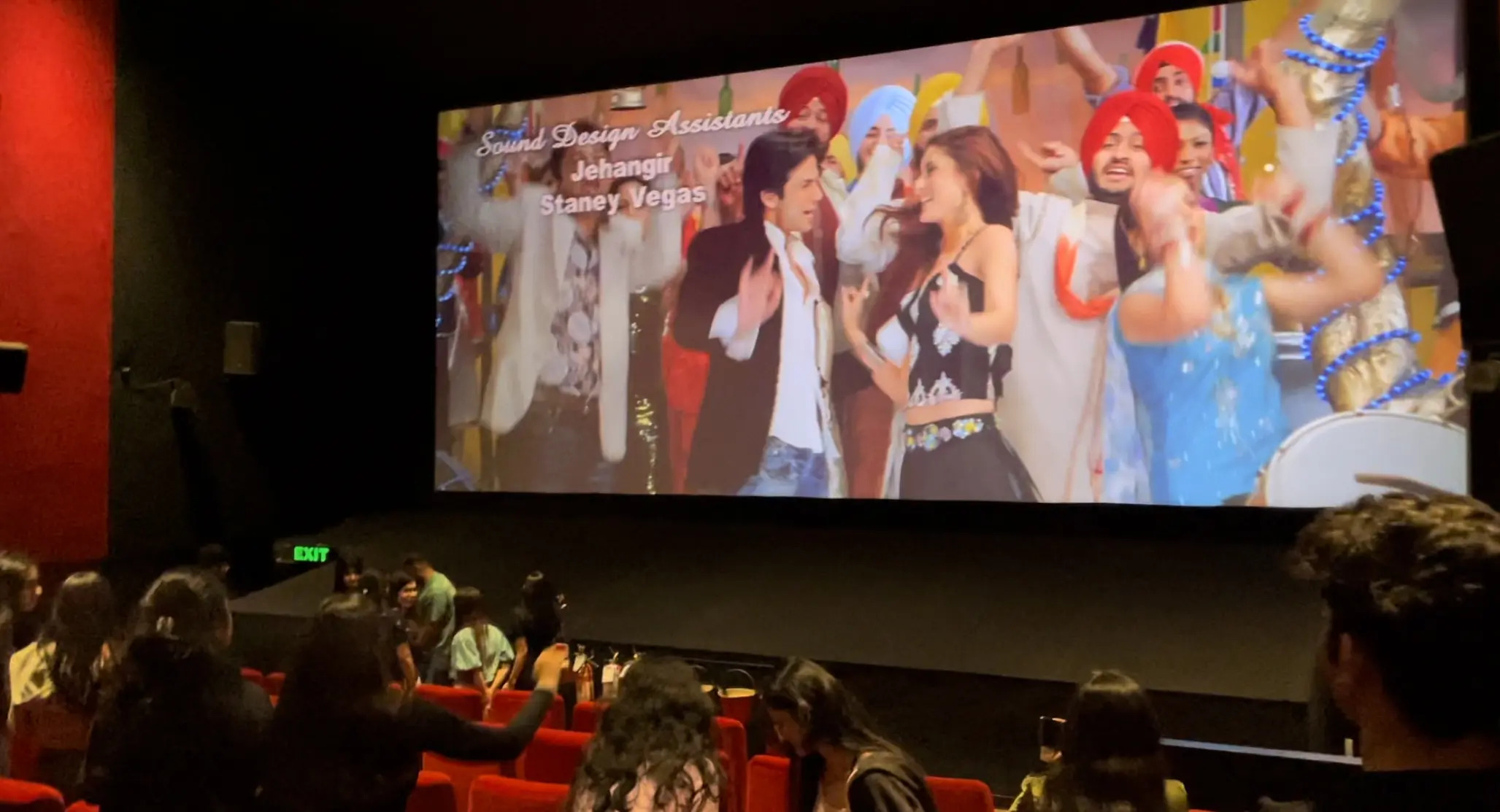
Nostalgia as a basis for marketing
Although consumer trends indicate that Gen-Z and millennials both have contributed to the growth of revenue, the incentives remain different. While nostalgia is the primary draw for millennials looking to relive their golden years through classics like DDLJ and Kuch Kuch Hota Hai, for Gen Z, it is a journey of discovery. Younger audiences are finding older gems through short-form content like Instagram Reels, creating a yearning to experience the unique charm of vintage cinema and music that they missed the first time around.
It remains undoubted that the feeling of watching a movie on a big screen is unique and simply can’t be matched. Despite their differences , both generations remain unified through their love of cinema. Whether nostalgia could be the new wave within the industry or a passing fad is a question for the future.
Origins Of New Cult Classics
Films like have found a second life in theaters, garnering a whole new audience as a younger generation rediscovers the gritty epic on the big screen. Similarly, Bulbul starring Triptii Dimri, has taken center stage as a modern feminist classic; its portrayal of a "modern-day goddess" redefining female rage has made it a beloved title among Indian feminists. As these actors and films finally receive their "due flowers" through re-releases, the impact is both cultural and financial.

Movies like Tumbbad didn't just regain its popularity; it soared, earning ₹37.5 Crore and establishing a new benchmark for re-released films. Beyond being a source of revenue, Tumbbad serves as a means of cultural preservation, setting a high standard for representation by using myths and folktales to create a uniquely Indian cinematic expression.
Recovery From The Dark Times
The Indian film industry faced a severe crisis during the COVID-19 pandemic, with nearly 2,000 primarily beloved single-screen cinemasforced to shut their doors permanently. As the cost of production and distribution skyrocketed, theaters faced a double-edged sword: rising overheads and a consumer base that had grown increasingly cost conscious.Struggling to make ends meet, audiences were hesitant to gamble their limited disposable income on new, unproven films.
To fill this void, cinemas pivoted to a strategy of strategic re-releases. Films like Tumbbad led the charge; though it was a sleeper hit originally, its re-release performed phenomenally due to years of glowing word-of-mouth and newfound critical acclaim. This shift helped cinemas recover financially by bringing audiences back to the big screen.
Because viewers already knew the quality of what they were paying for, the "risk" of the theater-going experience was removed, successfully bridging the gap between economic hesitation and the love for the cinematic experience.
(The writer is a first year BA mass communication student who likes writing and expressing herself and tries to intellectualise what she likes, in any form.)
Ahead of
This revival stretches from the 1950s golden era of Pyaasa and Shree 420 and the 1980s elegance of
It is important to note that this trend is more than just a trip down memory lane; it has become a vital revenue stream for cinemas. Even fairly recent titles like
These films also attain a cult-classic status that eluded them during their original runs. People flood the cinema either to live or relive such experiences generating a new source of revenue of cinemas based on the back of
Nostalgia as a basis for marketing
Although consumer trends indicate that Gen-Z and millennials both have contributed to the growth of revenue, the incentives remain different. While nostalgia is the primary draw for millennials looking to relive their golden years through classics like DDLJ and Kuch Kuch Hota Hai, for Gen Z, it is a journey of discovery. Younger audiences are finding older gems through short-form content like Instagram Reels, creating a yearning to experience the unique charm of vintage cinema and music that they missed the first time around.
It remains undoubted that the feeling of watching a movie on a big screen is unique and simply can’t be matched. Despite their differences , both generations remain unified through their love of cinema. Whether nostalgia could be the new wave within the industry or a passing fad is a question for the future.
Origins Of New Cult Classics
Films like have found a second life in theaters, garnering a whole new audience as a younger generation rediscovers the gritty epic on the big screen. Similarly, Bulbul starring Triptii Dimri, has taken center stage as a modern feminist classic; its portrayal of a "modern-day goddess" redefining female rage has made it a beloved title among Indian feminists. As these actors and films finally receive their "due flowers" through re-releases, the impact is both cultural and financial.
Movies like Tumbbad didn't just regain its popularity; it soared, earning ₹37.5 Crore and establishing a new benchmark for re-released films. Beyond being a source of revenue, Tumbbad serves as a means of cultural preservation, setting a high standard for representation by using myths and folktales to create a uniquely Indian cinematic expression.
Recovery From The Dark Times
The Indian film industry faced a severe crisis during the COVID-19 pandemic, with nearly 2,000 primarily beloved single-screen cinemasforced to shut their doors permanently. As the cost of production and distribution skyrocketed, theaters faced a double-edged sword: rising overheads and a consumer base that had grown increasingly cost conscious.Struggling to make ends meet, audiences were hesitant to gamble their limited disposable income on new, unproven films.
To fill this void, cinemas pivoted to a strategy of strategic re-releases. Films like Tumbbad led the charge; though it was a sleeper hit originally, its re-release performed phenomenally due to years of glowing word-of-mouth and newfound critical acclaim. This shift helped cinemas recover financially by bringing audiences back to the big screen.
Because viewers already knew the quality of what they were paying for, the "risk" of the theater-going experience was removed, successfully bridging the gap between economic hesitation and the love for the cinematic experience.
(The writer is a first year BA mass communication student who likes writing and expressing herself and tries to intellectualise what she likes, in any form.)