Gachiakuta: When anime addresses what society doesn't.
Times of Bennett | Updated: Feb 06, 2026 14:43
Correspondent: Shubhangi Sarkar
Have you ever found yourself just not wanting to throw an object away without using it to its fullest capability? Or perhaps, because you cannot let go of your attachment to it?
The latest Shonen
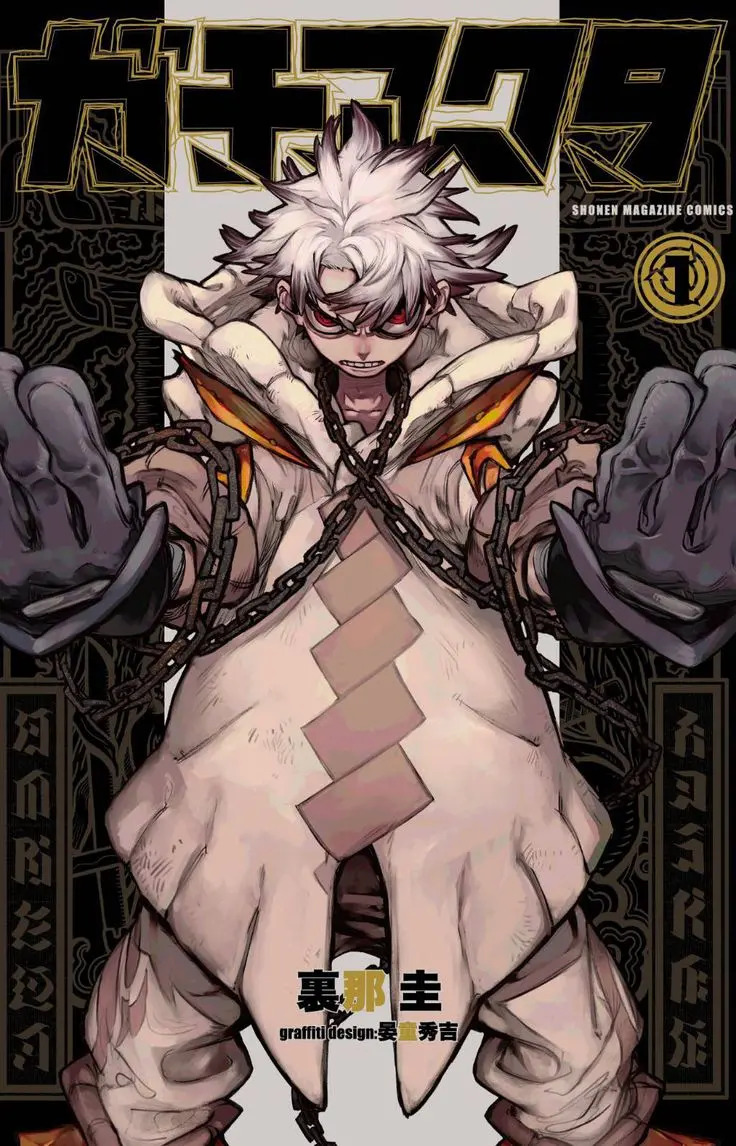
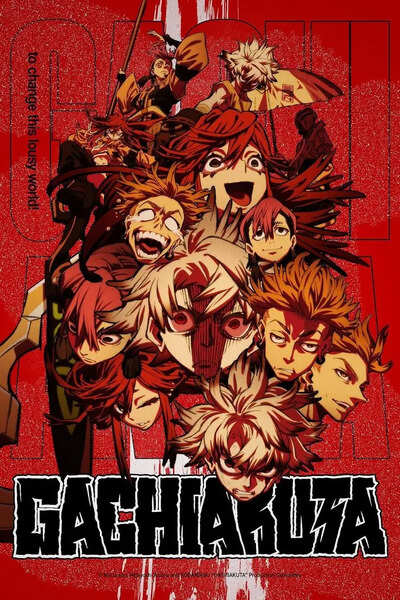
Gachiakuta starts off as a story of injustice, inequality, politics and social exclusion. All of which our MC
Rudo’s father was sentenced - or rather, ‘thrown’ to his death, into an enormous garbage pit, by the upper-class residents of the city.
The city that Rudo lives in, acts as a metaphor for a ‘utopia’. Where everything and everyone is blessed with the facilities that one could dream of. And that image lasts only till the viewers are presented with the drastic contrast of slums. Inhabited by the financially lower castes, and criminal descendants.
‘One man’s trash, is another man’s treasure’
The ‘tribesfolk’ residing in this perimeter are deprived of resources, land, facilities, and basic social respect. Because of their blood and financial incapability to fit into the city’s consumeristic norms.
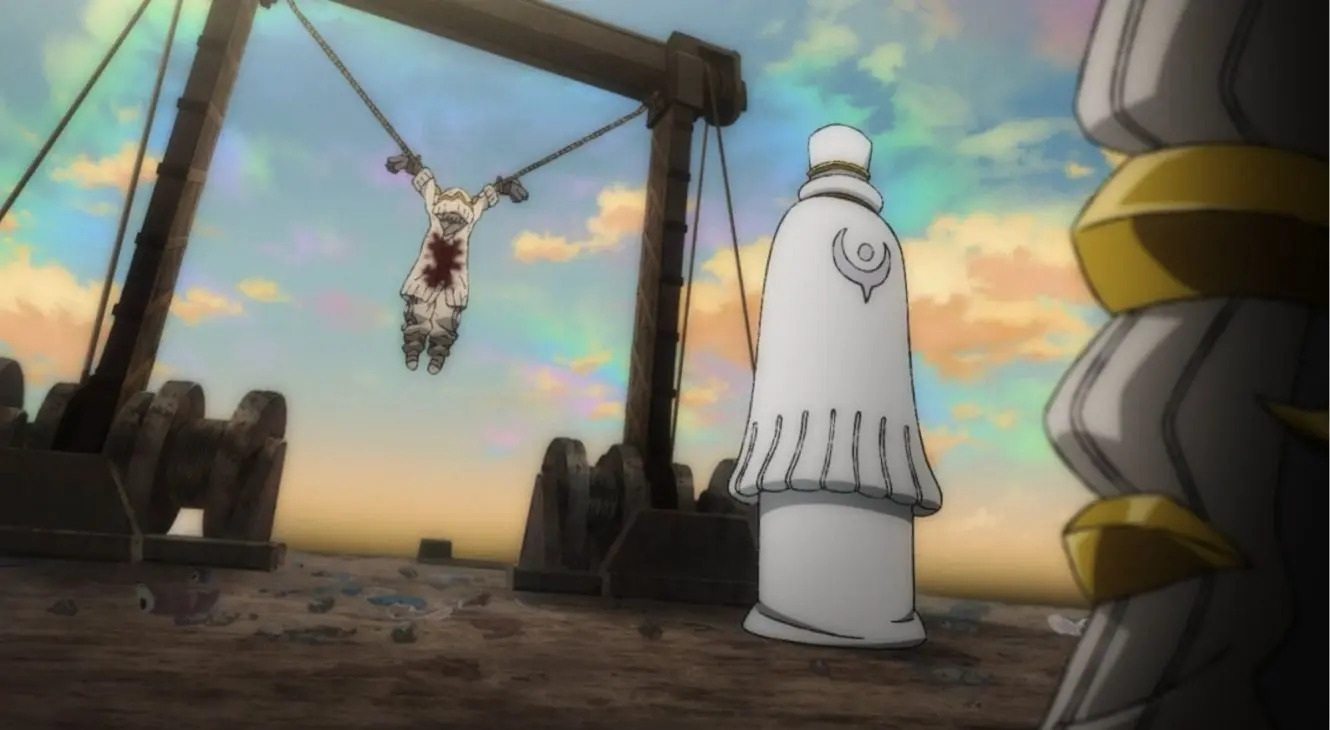
They also get to witness ‘executions’ first hand. A guillotine like mechanism ‘throws’ criminals into the underground’s darkness, along with all of the heaven’s waste and sewage. Indirectly serving as a reminder for these outcasts, that in a society so pure and perfect, filth like the tribesfolk never had a voice or space to begin with.
This utopic heaven, and dystopic hell is only separated by a thin wall in between. Which Rudo infiltrates every single night in order to scour through the heaven’s trash which was thrown too soon.
Trash, which Rudo and his adoptive guardian Regto believe, still have life and potential left within. Prompting our MC to dangerously ‘steal’ all this heavenly trash, mend it up like it is brand new, and re-sell it among the slum dwellers to earn a living.
Spiritual and political expression in an action anime?
Japanese Buddhist and Shinto ideologies present the philosophy of 'Mottainai'. Which encourages people to respect and be grateful for the energy that inhabits non living objects. Suggesting that all items should be used to their full capacity, and should be sent off respectfully, with gratitude.
Quite similar to the belief that Rudo and his guardian hold. Showing us how these tribesfolk lead a life of sustainability and minimalism.
Achille Mbembe, a prominent political theorist presented his theory of Necropolitics. Where authoritative figures use social and political power to dictate morality. Allowing these powers to push marginalised categories and communities to the point of disposability.
In line with this theory, Rudo too, gets framed for murdering his own guardian, Regto. And is disposed off into the dark void of waste along with the city’s garbage.
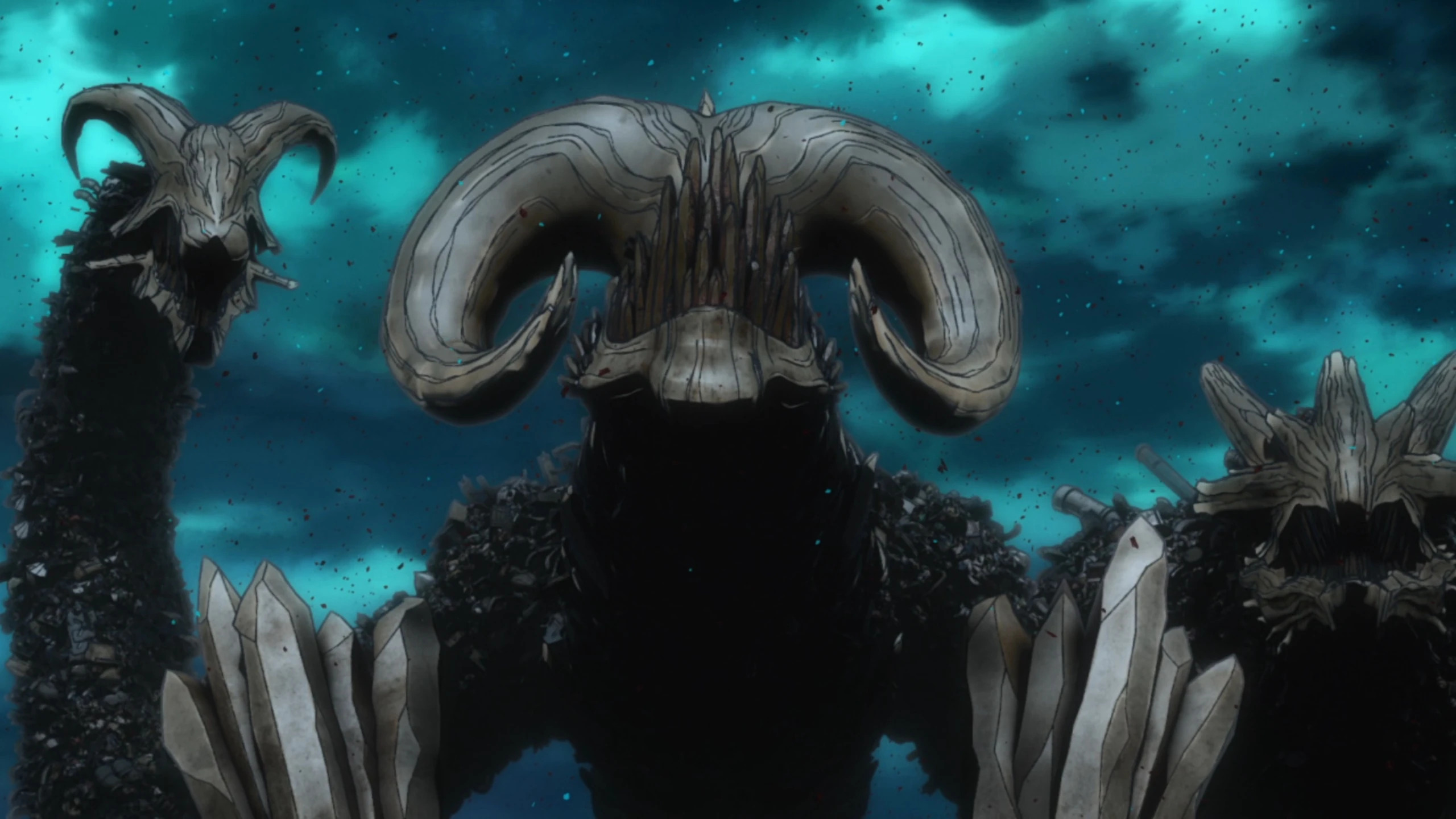
Upon reaching the ground, Rudo is greeted by violent ‘Trash Beasts’, insentient forms of life born from the heaven’s under-utilised trash. Resembling satanic goats, these act as a creative, and occultic take on the show’s themes of social inequality.
Additionally, these trash beasts are also possibly an outcome inspired from the Shinto folk-tale of ‘Tsukumogami’. Spirits that inhabit objects after 100 years of their careless disposal. Which can anger thesespirits, to the point they become a safety hazard to society.
The ‘Power of Friendship’.
Rudo’s violent encounter with these trash beasts is depicted through a visually spectacular action sequence. Before he finds a mysterious, masked aide on his side who wields an umbrella as a weapon.
Enjin’s mysteriously charismatic introduction into the series, does a brilliant job of hooking the audience at the edge of their seats. Alongside the story’s development into Rudo discovering the group of people that Enjin belongs to. Known as the ‘Cleaners’. Who work as trash beast exterminators for this living hell underground.
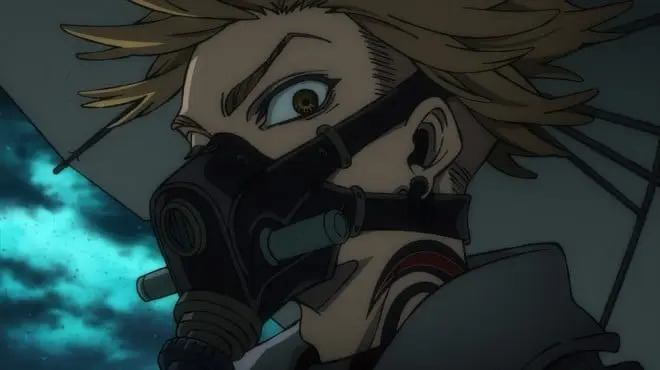
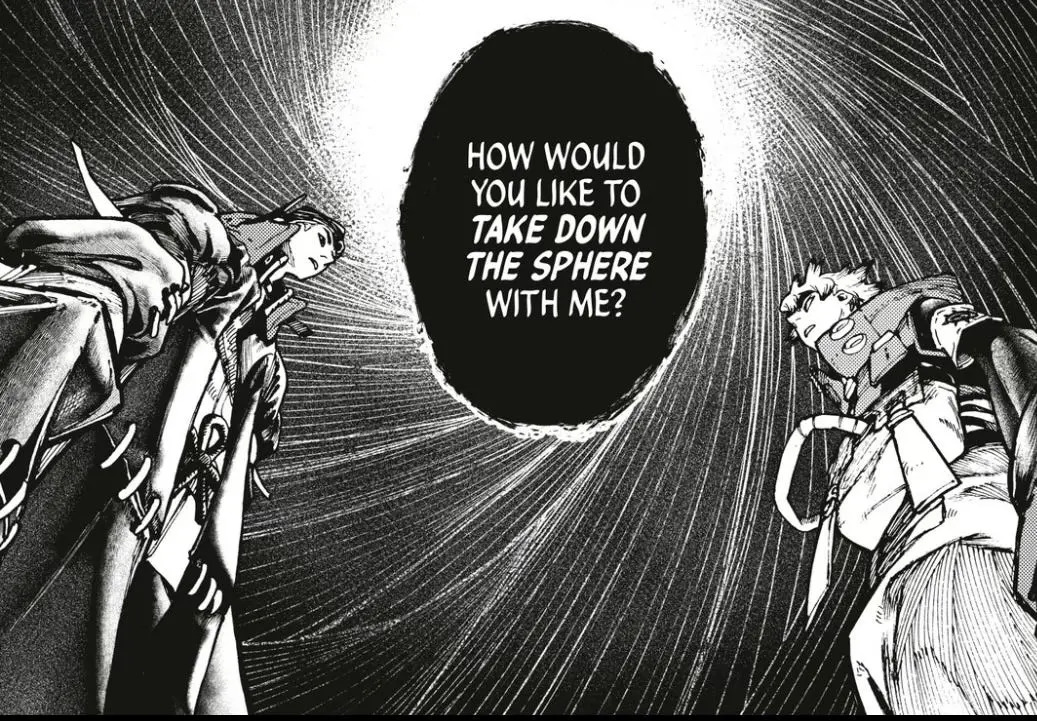
The Cleaners, alongside others residing on the ‘ground’ refer to the residents of the utopia above as ‘The Sphere’. With immense hatred towards the sphereites for continuously flooding the ground with their waste. Making its conditions so inhabitable that it becomes impossible for groundlings to walk without a gas mask.
The Slumdog protagonist’s journey ahead is depicted with a discovery of his own source of inner strength that the Cleaners already use. Which allows him to become a ‘Giver’. That is, someone who possesses the ability to use non-living objects that have been cared after and nurtured. Powered by the its own spirit or ‘Anima’. In this case, Rudo, as a giver, uses trashed items as his weapons.
Side characters, and other Cleaners such as
The antagonist’s entry.
In the process of navigating his way through, and discovering his new-found life within the ground, Rudo encounters one of the most intriguingly written villains out there in anime history -
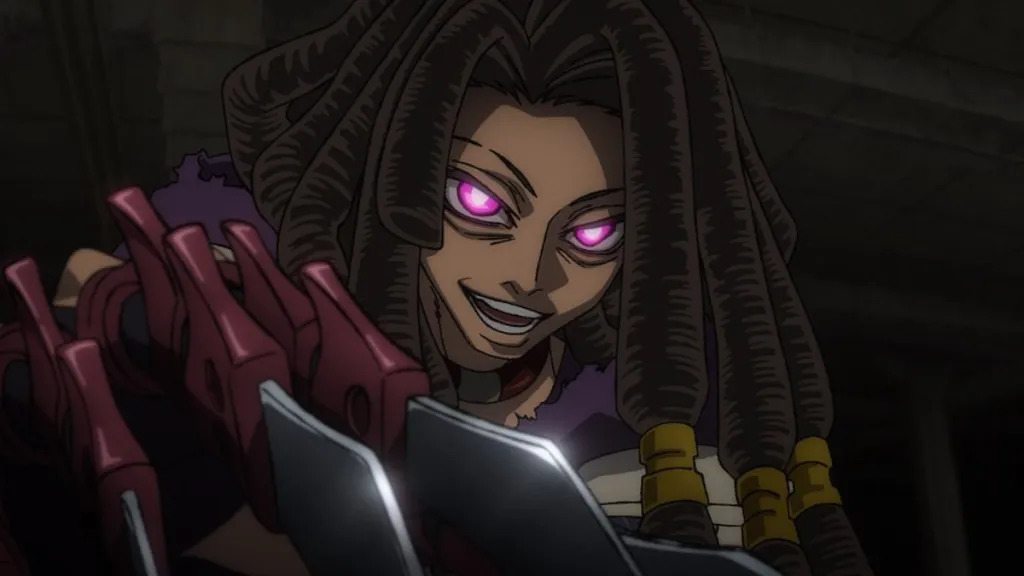
A member of the villainous group known as the ‘Raiders’, Jabber is the personification of all things psychotic.
As a poison and violence-loving addict, his task to abduct Rudo and present him to the Raiders’ leader, Zodyl Typhon results in Rudo’s surprising character development.
Further on into the anime, heavy topics such as sexual harassment and child abuse are introduced through Amo Empool’s seemingly villainous character. Whose writing, design and psychological complexity serves as a reminder for the audience that Gachiakuta is, by no means a story for immature audiences.
A mysterious conclusion.
Gachiakuta is backed up with the mystery behind Rudo’s vital instrument. A pair of gloves gifted to him by Regto, which is a part of the even more infamous ‘Watchman Series’. Which may or may not be the true reason behind Rudo’s strength, leaves the viewers with many questions left to be answered as the 24-episode anime’s first season concluded on a cliffhanger.
Ultimately, Gachiakuta is a complete, visually and mentally pleasing package of all the topics that society is hesitant to touch upon. And considering the raw, creative and symbolic mannerisms with which these topics are presented to the entire world. Gachiakuta is bound to hook you to its hypnotic storytelling. Till you, the audience, would not even realise how you have automatically begun questioning the current state of our world.
The author is a second year BA Mass Communication student. She is extremely passionate about international relations, linguistics, cultures and anime. And she likes to indulge in digital art in her free time.