Times of Bennett
ArticlePopculture

The Nostalgia Loop: Why Pop Culture Keeps Bringing the Past Back

Why is Gen Z falling in love with an era it never experienced? From Y2K fashion to old Bollywood songs, discover how nostalgia is bringing the past back into today's pop culture.
Published:October 30, 2026 at 10:23 AM5 min read
The Nostalgia Loop: Why Pop Culture Keeps Bringing the Past Back
By Yogita Chaudhary

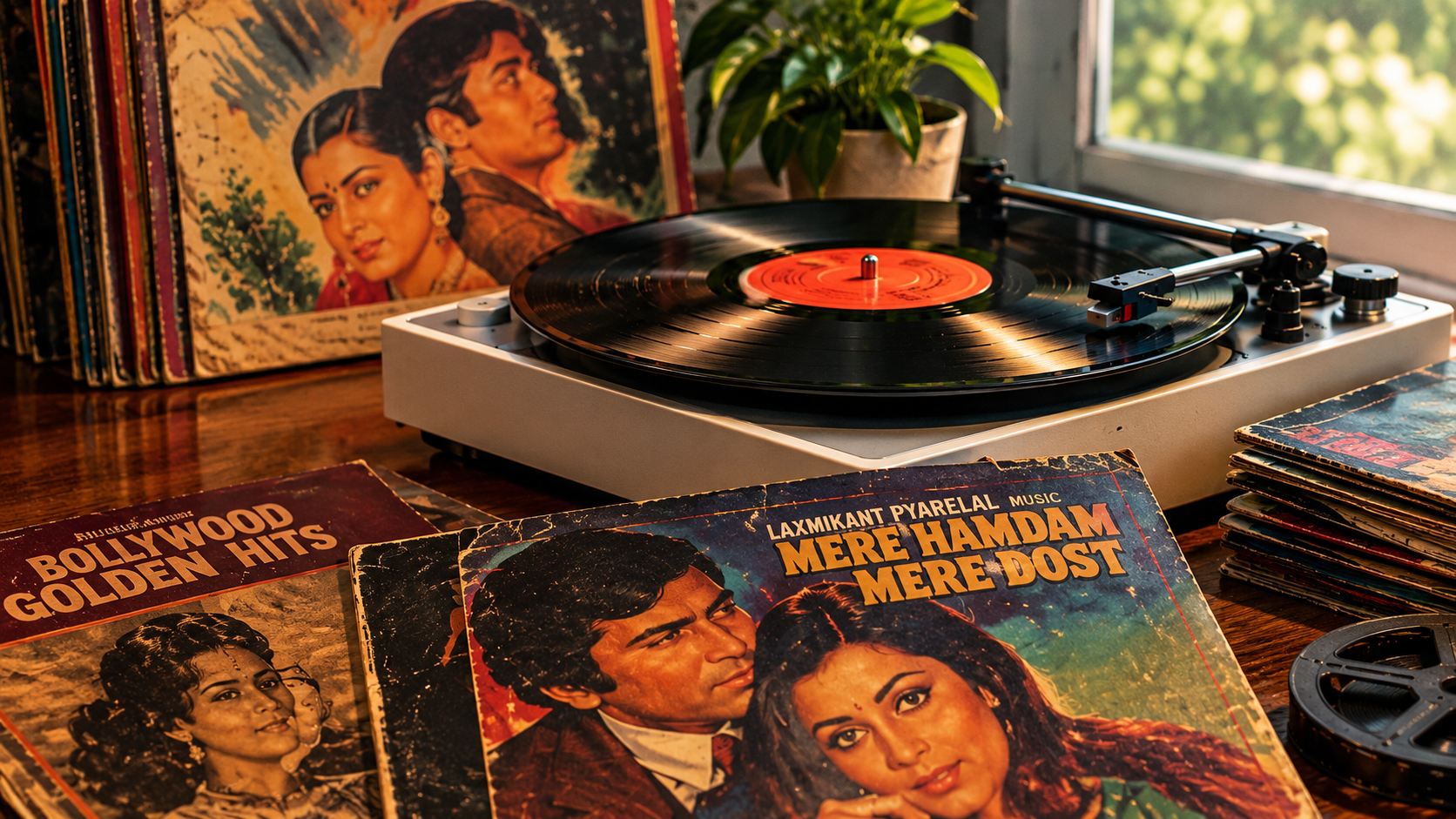
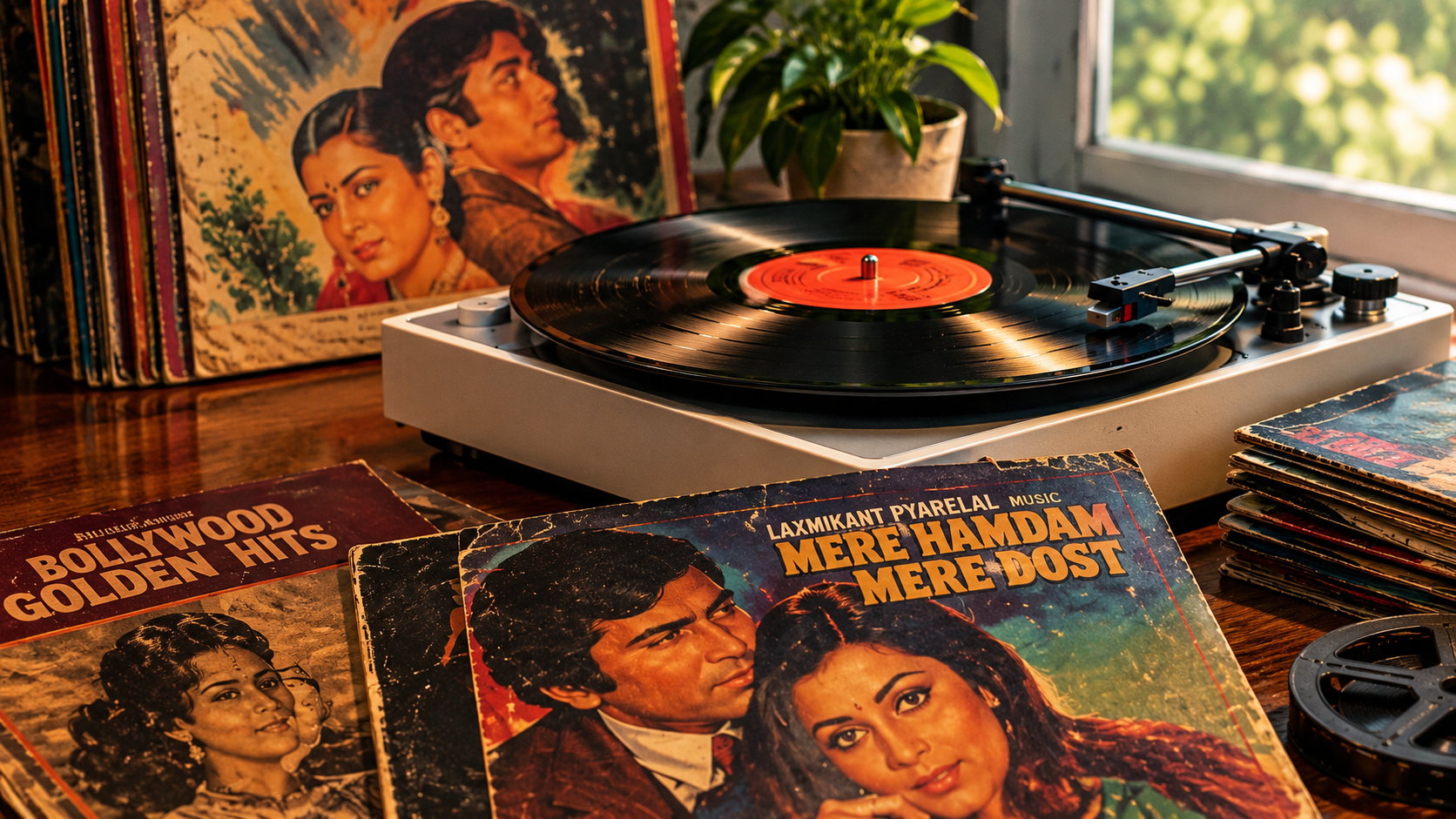
Imagine scrolling through Instagram and finding a song your parents used to listen to. You hear it in a reel, search for the original version, and suddenly the music is everywhere. At the same time, clothes once considered outdated are appearing in fashion posts, and films released years ago are finding new audiences. The strange part? Many of the people enjoying these trends were too young to experience their original popularity. This is the nostalgia loop: the past returns, but it rarely returns exactly as it was. Old songs, fashion, films and aesthetics are being rediscovered by a generation that often knows these eras through screens, family stories and online culture.

Falling in Love with an Era You Never Knew

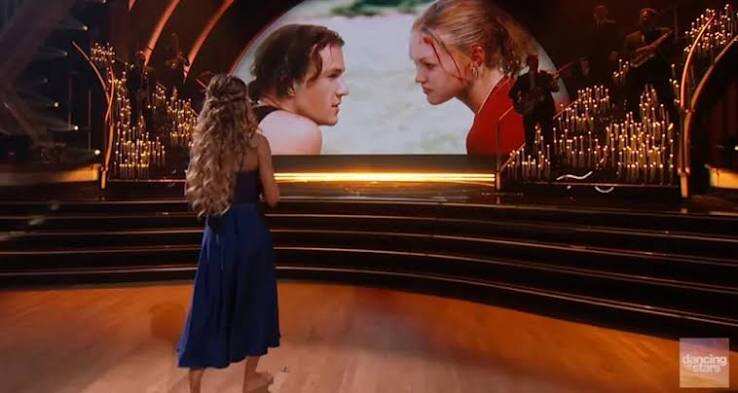
Nostalgia is usually associated with memories of our own lives. A song might remind someone of school, a family celebration or a journey with friends. But younger audiences can also feel drawn to a time they never personally experienced. Researchers have explored this phenomenon as a form of nostalgia for an unfamiliar or unexperienced past.

For Gen Z, the 1990s and early 2000s can represent a world imagined through old photographs, television shows, music videos and stories told by older family members. The appeal is not necessarily about remembering those years. It can be about imagining what life felt like then—and choosing the parts of that imagined world that seem attractive today.

When Yesterday Becomes Today's Fashion

Look at the return of Y2K-inspired fashion: baggy jeans, colourful accessories, graphic T-shirts and other styles associated with the late 1990s and early 2000s. These looks are no longer limited to old photographs or archived magazines. They have become part of contemporary fashion inspiration.

For younger people, wearing an older style can be less about copying the past and more about creating a personal identity. A vintage jacket or a retro accessory can help someone stand out in a world where trends change quickly. The old look becomes new because a different generation gives it a different meaning.

Social Media Is the Time Machine

In the past, discovering an old song or film might have depended on television reruns, radio, DVDs or recommendations from family. Today, a short video can introduce a decades-old track to people who have never heard it before. One creator uses it in a dance video, another turns it into a meme, and others begin searching for the original.

Instagram and YouTube make it easier to encounter older cultural material alongside current trends. Recommendation systems can also help related content reach new viewers. But it is not just technology doing the work: people actively share, remix and reinterpret what they discover.
The result is a constant exchange between generations. A song that once belonged to one era can become the soundtrack to another.

Nostalgia Has a Business Side

There is also a commercial reason the past keeps returning. Fashion brands can revisit familiar designs, music companies can promote older catalogues, and film studios can bring established stories back through remakes, sequels and reboots.

Familiarity can make a product easier for audiences to recognise. For businesses, a recognisable style or story may offer a starting point for marketing. Yet the same strategy raises an important question: are companies giving old ideas a meaningful new life, or relying too heavily on what audiences already know?
The answer depends on the work itself. A thoughtful revival can introduce a cultural classic to a new audience. A less ambitious one can feel like a familiar idea repackaged for another sale.

Is Everything Really on a 20-Year Cycle?

One popular explanation for the return of fashion is the 20-year cycle theory. In simple terms, it suggests that styles can regain popularity roughly two decades after their first appearance, when a younger generation discovers them and older consumers revisit them.
It is an interesting way to interpret trends, but it should not be treated as a fixed rule. Fashion does not follow an exact calendar, and the same pattern cannot automatically explain the return of every song, film or cultural idea. Social media, celebrity influence, business decisions and changing tastes can all affect what becomes popular.
The theory is best understood as a possible pattern—not a guarantee that every trend will return after 20 years.

Revival or Reinvention?

Perhaps the most interesting thing about nostalgia is that it does not require the past to remain unchanged. A song can become popular in a new context, a vintage outfit can be styled differently, and an old film can be interpreted through contemporary concerns. Each generation chooses what to keep, what to change and what to leave behind.

That is why the past never returns in exactly the same form. What feels nostalgic to one person may be completely new to another. The original trend belongs to its time, but its revival belongs to the people who rediscover it.

Maybe the real attraction is not a wish to go backwards. It is the freedom to borrow from yesterday while making something that feels like today.

This article is written by Yogita Chaudhary, a first-year BA Mass Communication student who is curious about the stories behind everyday trends, pop culture and changing times (yes, she's the type to wonder why Gen Z loves an era it never actually lived through).
Tags
#nostalgia#gen z#Instagram#Y2K fashion#Culture

Related Articles

Can't Take My Eyes Off You
Article
Popculture

Can't Take My Eyes Off You

Why We're Still in Love With Early 2000s Romantic Films

Oct 29, 20263 min
#swoony dialogues#patrick verona#lose+7 more
From Screens to Street Style: How Movies and Memes Are Changing What We Wear
Article
Popculture

From Screens to Street Style: How Movies and Memes Are Changing What We Wear

The article explores how social media, films, television, and internet memes have democratized fashion, shifting trendsetting from elite fashion houses to digital culture. Through aesthetics like Barbie core, Quiet Luxury, Brat Green, and Coquette, it examines how fashion express's identity, emotion, and shared cultural experiences.
Oct 19, 20266 min
#ryan gosling#roy#robbie+4 more
Unravelling The Language Of Consent In Qala's “Ghodey Pe Sawaar”
Article
Popculture

Unravelling The Language Of Consent In Qala's “Ghodey Pe Sawaar”

This article dissects Qala's lead single 'Ghode Pe Sawaar', through a feminist lens.
May 2, 20265 min
#ghodey pe sawaar#urmila#qalas+4 more
Coachella at 25: Still Defining Culture or Just Following It?
Article
Popculture

Coachella at 25: Still Defining Culture or Just Following It?

From underground music experiment to the internet’s favorite desert backdrop, Coachella has evolved into more than a festival. At 25, is it still shaping culture, or just curating it for the feed?
Apr 24, 20265 min
#coachella#woodstock#coachella valley music and arts festival+3 more
BTS Rewrites the Comeback Playbook With ‘Arirang’
Article
Popculture

BTS Rewrites the Comeback Playbook With ‘Arirang’

BTS Arirang comeback redefines music promotion by bypassing traditional media and focusing on digital platforms, selective appearances, and direct fan engagement. Despite minimal press, the group achieved record-breaking sales & chart success, highlighting a shift in comeback Playbook
Apr 9, 20264 min
#bts#arirang#zane lowe+3 more
From Desert Echoes to Beyond Borders: The Barmer Boys’ Musical Journey
Article
Popculture

From Desert Echoes to Beyond Borders: The Barmer Boys’ Musical Journey

In a Gen Z era of high-energy music, the Barmer Boys brought Rajasthani folk to global audiences with quiet authenticity. Rooted in the Manganiyar tradition, their music was inherited through generations, shaped by devotion and everyday life. From village gatherings to international stages, they blended bhajans, Sufi kalaams, and modern elements seamlessly. Even after Mangey Khan’s passing in 2024, their music lives on—proving folk isn’t fading, it evolves and continues to connect across cultures.

Mar 27, 20264 min
#barmer#rajasthan#mangey khan+4 more