The price of visibility: Rajpal Yadav's story explained
Times of Bennett | Updated: Feb 25, 2026 15:51

Correspondent: Gurnoor Mann
InBollywood ’s crowded constellation of stars, Rajpal Yadav was never the sun, but he was the spark. For over two decades, he perfected the art of comic interruption: the side character who stole scenes, the nervous accomplice, the small-town schemer whose exaggerated panic felt oddly authentic. His face became the symbol of comic relief in the early 2000s, his voice a familiar rhythm in ensemble comedies. And yet, in a cultural moment defined by push notifications, his name now travels differently, attached not to punchlines but to petitions, not to scripts but to summons. When Rajpal Yadav recently walked out of Tihar Jail after the Delhi High Court granted him interim bail, he addressed the media with gratitude and resolve. “If there are any allegations against me, I am available to answer,” he said, referencing his nearing 30-year milestone in the industry. It was a statement layered with pride and vulnerability, the voice of a man seasoned by fame, aware of how swiftly it can tilt. But while the actor framed the moment as a legal pause in a long career, the narrative from the other side tells a more complicated story.
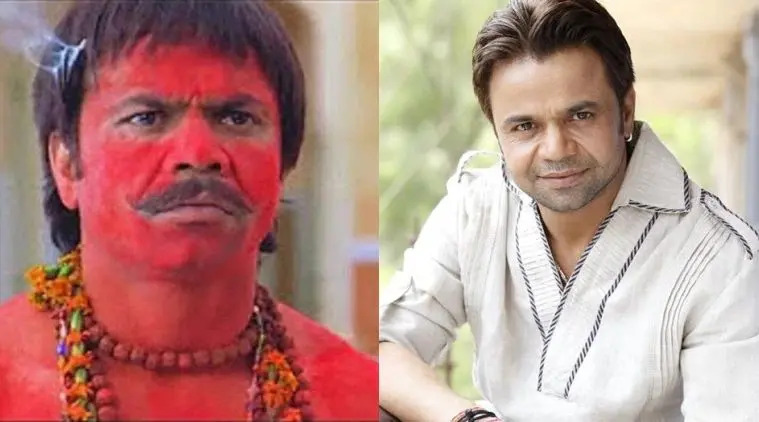 Businessman Madhav Gopal Agarwal’s account reads less like a commercial dispute and more like a stark reminder of fragile trust within the film industry. He claims he met Yadav in 2010 through MP Mithilesh Kumar Katheria, at a time when the actor was seeking funds for his directorial debut, Ata Pata Laapata (2012). The film was positioned as a passion project, a leap from comic relief towards creative control.
 Madhav Gopal Agrawal claims he was emotionally persuaded to extend a loan after repeated assurances from Rajpal Yadav’s wife, Radha. A formal agreement was drawn up. Deadlines were set. But cinema, as history has shown, is a gamble. When veteran actor Amitabh Bachchan launched the film’s music, it signalled credibility. Yet beneath the promotional sheen, Madhav Gopal Agrawal says anxiety was mounting. Concerned about repayment, he approached the court to temporarily stay the film’s release. The stay was lifted after assurances that the dues would be cleared post-release. The film, however, failed at the box office.
What followed was a familiar pattern: missed repayment dates, supplementary agreements, revised cheques. By 2013, the dispute returned to court. Judicial intervention led to a settlement exceeding ₹ 10 crore (as per court records), but several cheques issued thereafter were allegedly dishonoured. “I literally cried like a child,” Agrawal said in a recent interview, describing visits to the actor’s Mumbai residence in an attempt to recover his money. “We are also paying interest,” he said, revealing that he, too, had borrowed money from a bank to finance the loan. On the other side stands Advocate Bhaskar Upadhyay, representing Yadav in the cheque bounce case. He maintains that earlier complications stemmed from miscommunication and asserts that ₹2.25 crore has already been paid toward fulfilling obligations. The defence has sought the court’s liberty to present their side fully at the next hearing. On paper, it’s a legal matter, but in reality, it’s deeply emotional.
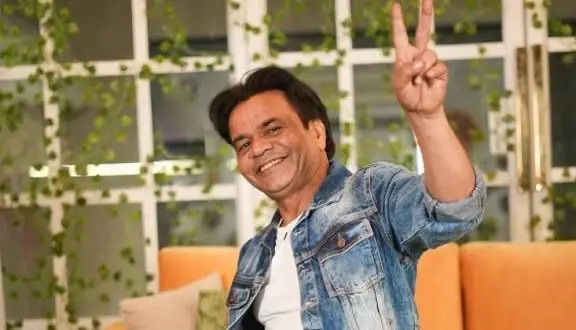 What makes Rajpal Yadav’s case particularly resonant is his place in Bollywood’s hierarchy. He was never the untouchable superstar cushioned by endorsements and offshore security. He was the dependable character actor: beloved, visible, but not financially invincible. The industry often places such performers in a precarious middle zone: famous enough to be recognised everywhere, but not powerful enough to command indefinite leverage. The transformation from” comic genius” to “courtroom accused” fits neatly into a media script that thrives on contrast. Yet beneath the headlines lies a set of uncomfortable questions. How sustainable is the financial ecosystem for actors outside the A-list? How many passion projects are built on informal loans and goodwill? And when those deals
collapse, who absorbs the damage? Stardom, it appears, is not a singular narrative but a layered one, where applause and accountability coexist. The shift feels unsettling. For the industry, it is a reminder that visibility does not equal stability. From comic relief to courtroom headlines, the narrative has undeniably taken a dramatic turn. Whether this moment proves to be a brief detour or a defining chapter in Rajpal Yadav’s three-decade career will not be decided by speculation, but by the slow, deliberate course of the law. In Bollywood, stories are often resolved in three acts. In real life, they rarely are.
(The author is a second year BA Mass Communication student who is passionate about storytelling, digital marketing, and enjoys keeping herself busy with various creative projects)
In
What followed was a familiar pattern: missed repayment dates, supplementary agreements, revised cheques. By 2013, the dispute returned to court. Judicial intervention led to a settlement exceeding ₹ 10 crore (as per court records), but several cheques issued thereafter were allegedly dishonoured. “I literally cried like a child,” Agrawal said in a recent interview, describing visits to the actor’s Mumbai residence in an attempt to recover his money. “We are also paying interest,” he said, revealing that he, too, had borrowed money from a bank to finance the loan. On the other side stands Advocate Bhaskar Upadhyay, representing Yadav in the cheque bounce case. He maintains that earlier complications stemmed from miscommunication and asserts that ₹2.25 crore has already been paid toward fulfilling obligations. The defence has sought the court’s liberty to present their side fully at the next hearing. On paper, it’s a legal matter, but in reality, it’s deeply emotional.
collapse, who absorbs the damage? Stardom, it appears, is not a singular narrative but a layered one, where applause and accountability coexist. The shift feels unsettling. For the industry, it is a reminder that visibility does not equal stability. From comic relief to courtroom headlines, the narrative has undeniably taken a dramatic turn. Whether this moment proves to be a brief detour or a defining chapter in Rajpal Yadav’s three-decade career will not be decided by speculation, but by the slow, deliberate course of the law. In Bollywood, stories are often resolved in three acts. In real life, they rarely are.
(The author is a second year BA Mass Communication student who is passionate about storytelling, digital marketing, and enjoys keeping herself busy with various creative projects)