Student Founders Changing the Game
Times of Bennett | Updated: Sep 12, 2025 13:24

Correspondent: Gourika Mandal
Universities are typically a place where students juggle between assignments, clubs, friendships, and attendance, while trying to maintain some semblance of a work-life balance.
AtBennett University , students have begun incorporating entrepreneurship into their curriculum. They are no longer seeing degrees as a steppingstone to a job, but to innovation.
With the rise in "hustle & grind” culture on social media, where influencers promote ditching the usual 9-5 and starting something innovative, students have started ideating and starting their own businesses.
According to the GUESSS report, around 33 percent of current Indian students are currently working on their start-up ideas — higher than the global average of 25 per cent.
HowBennett Hatchery Shapes Young Talent
Bennett Hatchery fosters entrepreneurial knowledge and education among students, regularly organizing events on campus to nurture innovation and growth. It also hosts exclusive Investor Meetups, creating a platform for aspiring founders to connect with industry leaders. Bennovate , Bennett University’s flagship entrepreneurship summit, bridges the gap between student startups and investors. Volunteer registrations for
Bennovate 4.0 have recently opened, marking the beginning of this year’s journey.
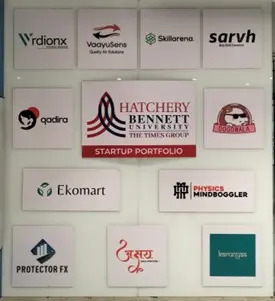
The Hatchery has an impressive startup portfolio, including names like Fix Coffee, Dogowala, Jasper Home Fashions, and Qadira Hygiene, with sectors ranging from technology to personal care.
“The inspiration behind DOGO WALA came from a personal experience with my elder dog, Bruno, who at age 11 suffered a life-threatening intestinal issue where his intestine flipped inside his body. Thankfully, he survived,” explained Prajanth Pokhriyal, the Founder & CEO of Dogowala, a brand that is built around affordable and high-quality treats and accessories for pet dogs.
“After that incident, I began researching and speaking to vets to understand the cause. I discovered that many of the biscuits, chews, and treats available in the market were harmful—especially the cheaper ones made for average consumers who couldn’t afford premium brands,” he added.
Sarvh, a Bennett Hatchery start-up, has received the first tranche of Rs 4.5 lakh out of the Rs 11.5 lakh grant set up by the start in UP initiative. With constant mentorship and allocated funds, the Hatchery empowers students to follow their dreams.
How do students at Bennett take part in the start-up culture?
With a larger number of start-ups emerging, competition is stiff. Along with unique ideas, entrepreneurship demands courage and risks. Sometimes, these big dreams aren't met with positive support from family and friends, and it's easy for doubts to take hold.
"I wanted to start Influmatch, an influencer-based start-up, as part of my media curriculum. I wanted to build
something that would help me in my career and studies," Adrija Dan, a third-year Journalism and Mass Communication student and the Founder and CEO of Influmatch, says.
"At the very start, it's easy to have doubts, but once you start, everything falls into place. Your start-up becomes like your baby; you want to do everything in your power to make it grow and succeed.” Entrepreneurship also builds resilience and strength in students, inculcating necessary values such as leadership, time management and soft skills.
In the end, it is all about seeing things through till the end and having the courage to dream.
This article is written by Gourika Mandal, a 3rd-year BA Journalism and Mass Communication student. She is passionate about stories and writing.
Universities are typically a place where students juggle between assignments, clubs, friendships, and attendance, while trying to maintain some semblance of a work-life balance.
At
With the rise in "hustle & grind” culture on social media, where influencers promote ditching the usual 9-5 and starting something innovative, students have started ideating and starting their own businesses.
According to the GUESSS report, around 33 percent of current Indian students are currently working on their start-up ideas — higher than the global average of 25 per cent.
How
Bennovate 4.0 have recently opened, marking the beginning of this year’s journey.
The Hatchery has an impressive startup portfolio, including names like Fix Coffee, Dogowala, Jasper Home Fashions, and Qadira Hygiene, with sectors ranging from technology to personal care.
“The inspiration behind DOGO WALA came from a personal experience with my elder dog, Bruno, who at age 11 suffered a life-threatening intestinal issue where his intestine flipped inside his body. Thankfully, he survived,” explained Prajanth Pokhriyal, the Founder & CEO of Dogowala, a brand that is built around affordable and high-quality treats and accessories for pet dogs.
“After that incident, I began researching and speaking to vets to understand the cause. I discovered that many of the biscuits, chews, and treats available in the market were harmful—especially the cheaper ones made for average consumers who couldn’t afford premium brands,” he added.
Sarvh, a Bennett Hatchery start-up, has received the first tranche of Rs 4.5 lakh out of the Rs 11.5 lakh grant set up by the start in UP initiative. With constant mentorship and allocated funds, the Hatchery empowers students to follow their dreams.
How do students at Bennett take part in the start-up culture?
With a larger number of start-ups emerging, competition is stiff. Along with unique ideas, entrepreneurship demands courage and risks. Sometimes, these big dreams aren't met with positive support from family and friends, and it's easy for doubts to take hold.
"I wanted to start Influmatch, an influencer-based start-up, as part of my media curriculum. I wanted to build
something that would help me in my career and studies," Adrija Dan, a third-year Journalism and Mass Communication student and the Founder and CEO of Influmatch, says.
"At the very start, it's easy to have doubts, but once you start, everything falls into place. Your start-up becomes like your baby; you want to do everything in your power to make it grow and succeed.” Entrepreneurship also builds resilience and strength in students, inculcating necessary values such as leadership, time management and soft skills.
In the end, it is all about seeing things through till the end and having the courage to dream.
This article is written by Gourika Mandal, a 3rd-year BA Journalism and Mass Communication student. She is passionate about stories and writing.