The lore of India’s most lethal weapon: Defense experts share the story of BrahMos at the India TV studio
Times of Bennett | Updated: Sep 12, 2025 17:46
Correspondent: Vignesh Iyer
“Look! Up in the sky! It’s a bird! It’s a plane!
It’s the supersonic cruise missileBrahMos !” The Indian ‘Weapon of Peace’ that
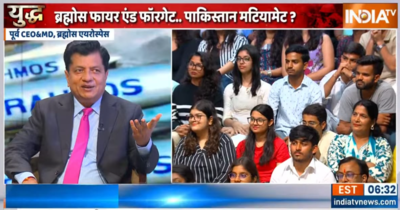
has made the country proud was the topic of discussion at the India Tv studio
on 7th September 2025. The popular evening show ‘Yudh’ hosted by
Peenaz Tyagi featured the former CEO and MD ofBrahMos Aerospace , dr. Sudhir
Kumar Mishra along with Maj. Gen. Saxena (retd.) and other defence experts from
the Indian army,navy and air force. Students from several universities and
disciplines were the live audience for this show. Many curious minds
collectively had one unanimous question, “What is BrahMos?” At sharp 5pm that
day, the story of India’s most potent weapon began to unfold. From the birth of
BrahMos, to its future prospects, India’s hallmark weapon was decoded live.
Dr. Mishra talked about the BrahMos Aerospace,
which is a joint venture between India’s Defence Research and Development
Organization (DRDO ) and NPO Mashinostroyeniya (NPOM ) of Russia which started in the year 1999. He
also shared that the acronym ‘BrahMos’ is an amalgamation of the
names Brahmaputra and Moskva, the iconic rivers that represent India and Russia
respectively thus making it a true testament of Indo-Russian relations.
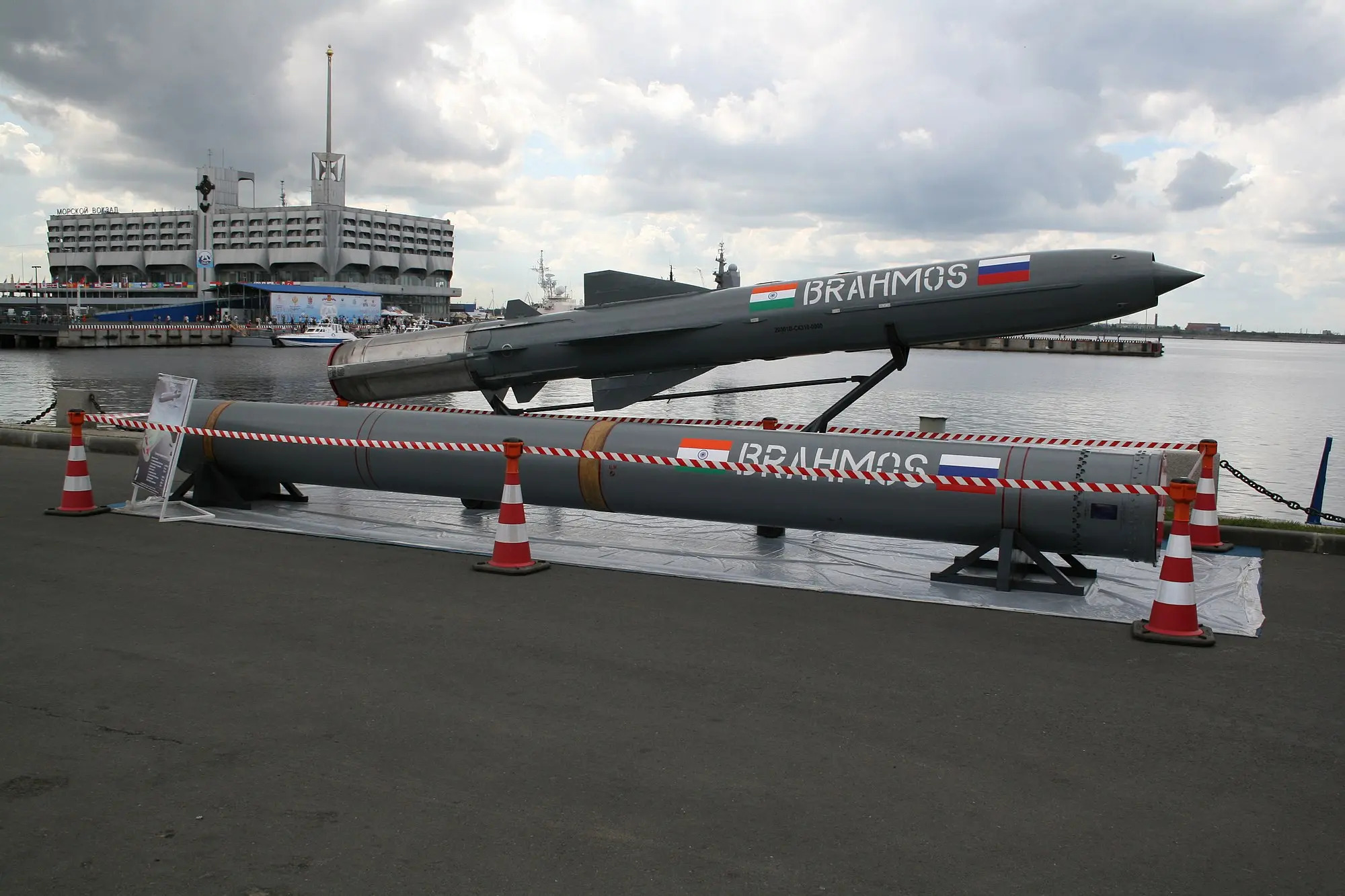 Prominent scientists, defence researchers and engineers from both the countriesworked hand-in-hand to create one of the fastest cruise missiles of the worldwith a jaw dropping 2.8+ Mach speed. With a range of approximately 300 kms,
this missile is a ‘Fire and Forget’ type of weapon, which means, it doesn’t
need any further input once it’s launched. 12th June 2001 was the
date which proved India’s strength to the world as this date witnessed the
first successful launch of the BrahMos. Dr. Mishra shared that on that day his
entire team was incredibly nervous because they didn’t want BrahMos to feature
in a YouTube video titled “Missile launch fails”. The missile was originally
made and designed just for the Indian Navy and for the testing of BrahMos, the
navy had imparted their undivided support along with the precious INS Rajput
for the testing of BrahMos.
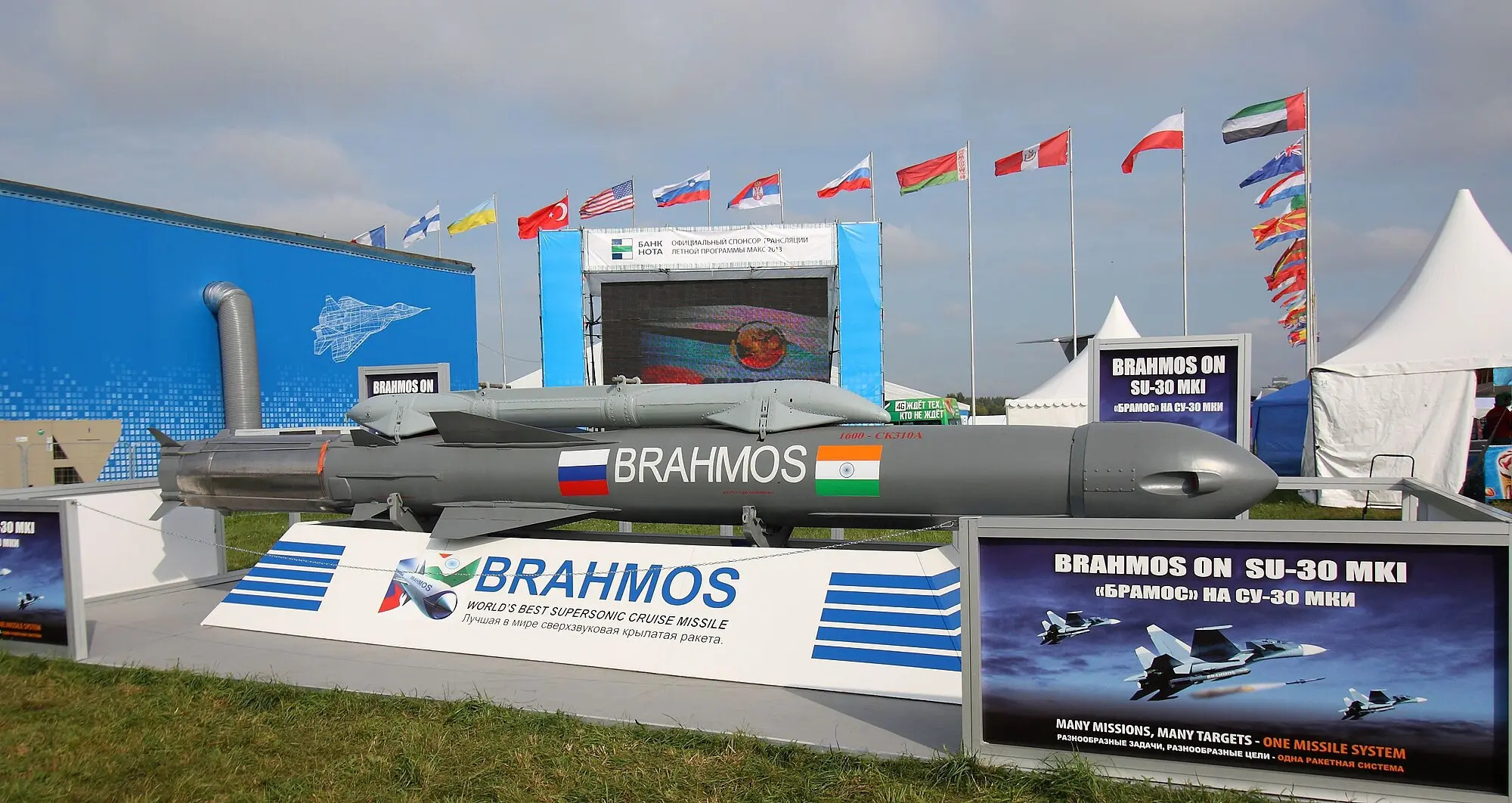
A glimpse of the forthcoming journey of BrahMos
was shown to the audience by the panelists. The goal of DRDO and BrahMos
Aerospace to make 300 BrahMos missiles for India by the year 2030 was revealed
to the audience. The BrahMos Next-Gen, which is a lighter, sleeker and more
advanced variant is under testing. The BrahMos Hypersonic, or BrahMos II is the
upcoming big project in this field. The expert panelists shared their views on
the international demand of BrahMos. Philippines was the first country to
acquire the land-based BrahMos system. Currently, over 15 countries of the
globe have expressed their demand for the BrahMos missile system. The audience
also got an opportunity to interact with the panelists and clarify their
queries on the BrahMos missile system straight from the experts. Protecting
India’s land, air and sea, the BrahMos is now a symbol of self-reliance. It is
indeed the ‘Brahmastra’ of India.
(This article is written by Vignesh Iyer, a Master’s student of Mass Communication.
He is passionate about journalism and aspires to become the editor of a leading
news agency in India)
“Look! Up in the sky! It’s a bird! It’s a plane!
It’s the supersonic cruise missile
has made the country proud was the topic of discussion at the India Tv studio
on 7th September 2025. The popular evening show ‘Yudh’ hosted by
Peenaz Tyagi featured the former CEO and MD of
Kumar Mishra along with Maj. Gen. Saxena (retd.) and other defence experts from
the Indian army,
disciplines were the live audience for this show. Many curious minds
collectively had one unanimous question, “What is BrahMos?” At sharp 5pm that
day, the story of India’s most potent weapon began to unfold. From the birth of
BrahMos, to its future prospects, India’s hallmark weapon was decoded live.
Dr. Mishra talked about the BrahMos Aerospace,
which is a joint venture between India’s Defence Research and Development
Organization (
also shared that the acronym ‘BrahMos’ is an amalgamation of the
names Brahmaputra and Moskva, the iconic rivers that represent India and Russia
respectively thus making it a true testament of Indo-Russian relations.
this missile is a ‘Fire and Forget’ type of weapon, which means, it doesn’t
need any further input once it’s launched. 12th June 2001 was the
date which proved India’s strength to the world as this date witnessed the
first successful launch of the BrahMos. Dr. Mishra shared that on that day his
entire team was incredibly nervous because they didn’t want BrahMos to feature
in a YouTube video titled “Missile launch fails”. The missile was originally
made and designed just for the Indian Navy and for the testing of BrahMos, the
navy had imparted their undivided support along with the precious INS Rajput
for the testing of BrahMos.
A glimpse of the forthcoming journey of BrahMos
was shown to the audience by the panelists. The goal of DRDO and BrahMos
Aerospace to make 300 BrahMos missiles for India by the year 2030 was revealed
to the audience. The BrahMos Next-Gen, which is a lighter, sleeker and more
advanced variant is under testing. The BrahMos Hypersonic, or BrahMos II is the
upcoming big project in this field. The expert panelists shared their views on
the international demand of BrahMos. Philippines was the first country to
acquire the land-based BrahMos system. Currently, over 15 countries of the
globe have expressed their demand for the BrahMos missile system. The audience
also got an opportunity to interact with the panelists and clarify their
queries on the BrahMos missile system straight from the experts. Protecting
India’s land, air and sea, the BrahMos is now a symbol of self-reliance. It is
indeed the ‘Brahmastra’ of India.
(This article is written by Vignesh Iyer, a Master’s student of Mass Communication.
He is passionate about journalism and aspires to become the editor of a leading
news agency in India)