Who is more brutal? Police? Or Corruption?
Times of Bennett | Updated: Sep 15, 2025 14:56
Correspondent: Shubhangi Sarkar
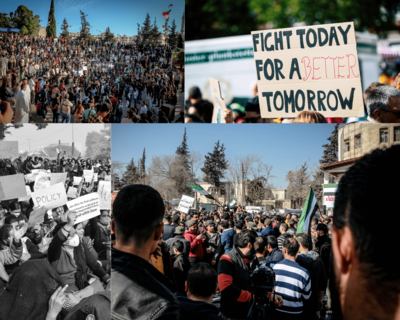
Injustice andcorruption grabs society by its throat. Society fights back, and in most cases- society gets its ending. But not a particularly happy one.
Because the outcome- although desired, is won at the cost of innocent bloodshed.
Back in the day, it was wars being waged against countries. Where soldiers gave their lives for their motherland. And now, there are protests. In almost every country - and almost every day. Where citizens give their life, for their motherland, yes. Whilst not against an enemy country but against their own government.
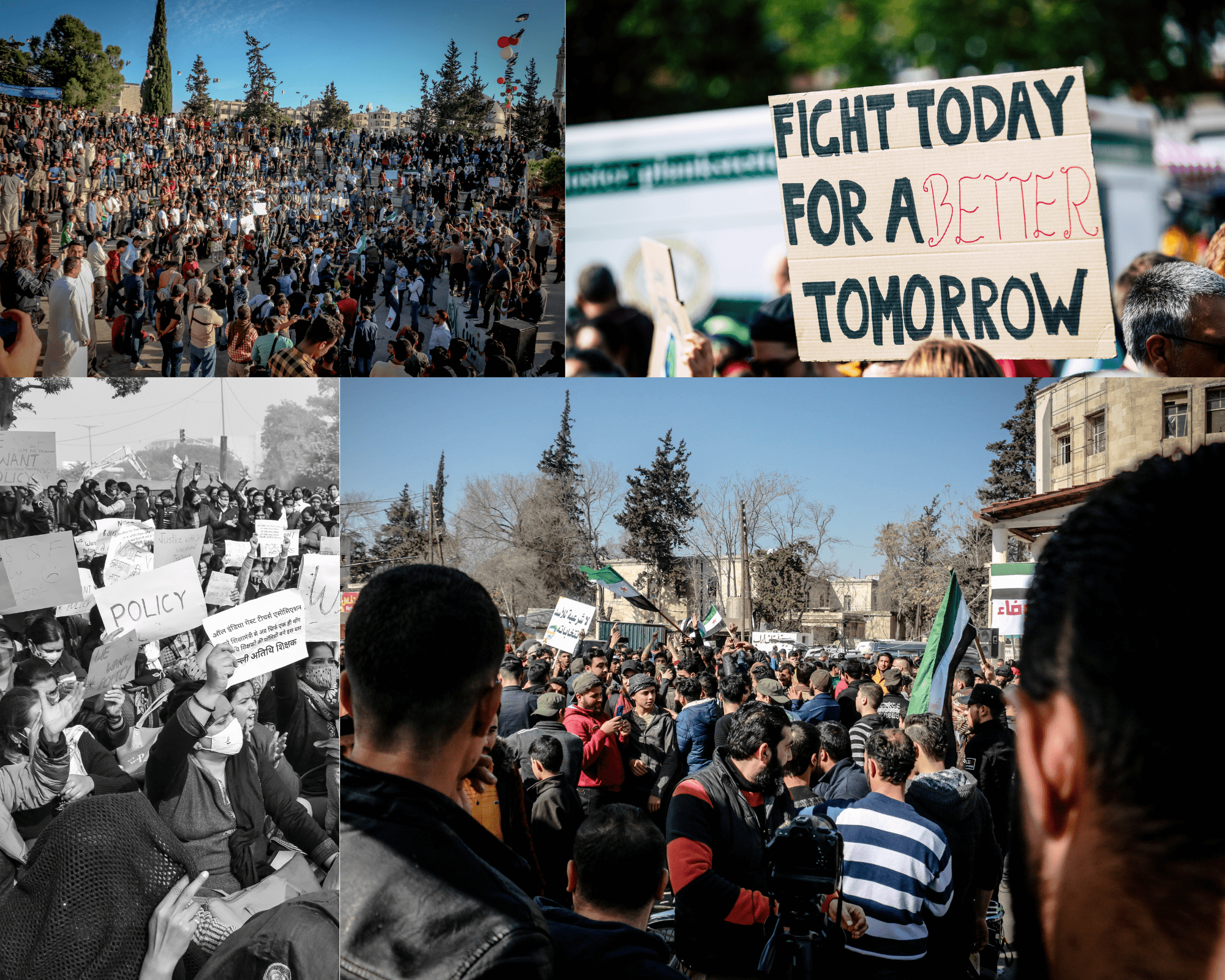
And one of those countries isIndonesia .
For the last two weeks, the tourist favourite country has been burning under protests against parliament members being paid an additional salary of a monthly 100 million rupiah (US$6,150), including a housing
allowance.
Indonesia has one of the highest unemployment rates in all ofSoutheast Asia as per the IMF and its 2025 data. And alongside the rising living costs and taxes, this additional salary being way above the average income rate in Indonesia has naturally brewed a feeling of unfairness, injustice and corruption among its common people.
“I pay all my taxes, I’m a tax compliant citizen. Meanwhile, the people inside the House of Representatives building don’t listen to their own people at all.” said Aci Resti, an Indonesian protester, in an interview with South China Morning Post (SCMP).
As protests against corruption began, the accompanying violence also gradually spread out its roots throughout the country. Which led to the deployment of police and military personnel to keep the situation under
control.
But what happens when the personnel who are bounded by duty to ensure the protection of civilians- are the same ones who end up ending lives? What happens whenpolice brutality in the name of nationalism scars the
same notion that the protestors are trying to protect?
Because that is exactly what happened to 21-year-oldAffan Kurniawan . A food delivery rider who was simply attempting to navigate his way out through the crowd of protestors to complete his delivery service. Only for him to meet his fate’s end at the hands of a police convoy- from being run over, very much on purpose, by the armoured police vehicle.
Affan was not a part of the protest . He was simply fulfilling his duty, his responsibility, and trying to earn a living for himself and his family.
In short, he was an innocent man who did not deserve to get killed by the police force of his own country that he was serving.
And neither was Mir Mugdho- the 25-year-old freedom fighter who was shot to death in his head by the police force of his own country, during the July Revolution ofBangladesh last year.
Mugdho too, was trying to fulfil his duty towards his nation by offering water and biscuits to the injured and exhausted student protestors.
And what did he gain in return for his compassion and nationalism? Death.
That too, with his last words being “Water? Does anyone need water?”
And in cases like these- it is after losing multiple innocent lives in the name of ‘law and order’ that peaceful protests explode into a fury of pure, civilian rage and a violent call for justice.
Prabowo Subianto , the President of Indonesia did indeed visit Affan’s family to offer both his condolences and the reassurance of Affan’s death being brought to justice with an investigation that was promised to his family.
“I am deeply concerned and deeply saddened by this incident,” Prabowo said. “I was shocked and disappointed by the officers’ excessive actions.” He added.
It is however, the excessive actions of these police officers that are costing the world multiple precious and innocent lives. Including those of today’s youth- who could have perhaps, contributed to a better future for their country.
Had it not been for the country’s tumultuous present, and police brutality.
The writer is a second year BA Mass Communication student. She is passionate about international relations, linguistics, cultures and anime. She likes to indulge in digital art in her free time.
Injustice and
Because the outcome- although desired, is won at the cost of innocent bloodshed.
Back in the day, it was wars being waged against countries. Where soldiers gave their lives for their motherland. And now, there are protests. In almost every country - and almost every day. Where citizens give their life, for their motherland, yes. Whilst not against an enemy country but against their own government.
And one of those countries is
For the last two weeks, the tourist favourite country has been burning under protests against parliament members being paid an additional salary of a monthly 100 million rupiah (US$6,150), including a housing
allowance.
Indonesia has one of the highest unemployment rates in all of
“I pay all my taxes, I’m a tax compliant citizen. Meanwhile, the people inside the House of Representatives building don’t listen to their own people at all.” said Aci Resti, an Indonesian protester, in an interview with South China Morning Post (SCMP).
As protests against corruption began, the accompanying violence also gradually spread out its roots throughout the country. Which led to the deployment of police and military personnel to keep the situation under
control.
But what happens when the personnel who are bounded by duty to ensure the protection of civilians- are the same ones who end up ending lives? What happens when
same notion that the protestors are trying to protect?
Because that is exactly what happened to 21-year-old
In short, he was an innocent man who did not deserve to get killed by the police force of his own country that he was serving.
And neither was Mir Mugdho- the 25-year-old freedom fighter who was shot to death in his head by the police force of his own country, during the July Revolution of
Mugdho too, was trying to fulfil his duty towards his nation by offering water and biscuits to the injured and exhausted student protestors.
And what did he gain in return for his compassion and nationalism? Death.
That too, with his last words being “Water? Does anyone need water?”
And in cases like these- it is after losing multiple innocent lives in the name of ‘law and order’ that peaceful protests explode into a fury of pure, civilian rage and a violent call for justice.
“I am deeply concerned and deeply saddened by this incident,” Prabowo said. “I was shocked and disappointed by the officers’ excessive actions.” He added.
It is however, the excessive actions of these police officers that are costing the world multiple precious and innocent lives. Including those of today’s youth- who could have perhaps, contributed to a better future for their country.
Had it not been for the country’s tumultuous present, and police brutality.
The writer is a second year BA Mass Communication student. She is passionate about international relations, linguistics, cultures and anime. She likes to indulge in digital art in her free time.