

Times of Bennett
ArticleFeatures

Catching the pulse of Bihar was crucial for ‘Maharani’

Writers of 'Maharani' talk about how they wanted to change the cliched portrayals of politicians and why research is the 'essence' of any series.
Published:January 24, 2022 at 06:04 PM3 min read
Catching the pulse of Bihar was crucial for ‘Maharani’
By KANAK BHATIA

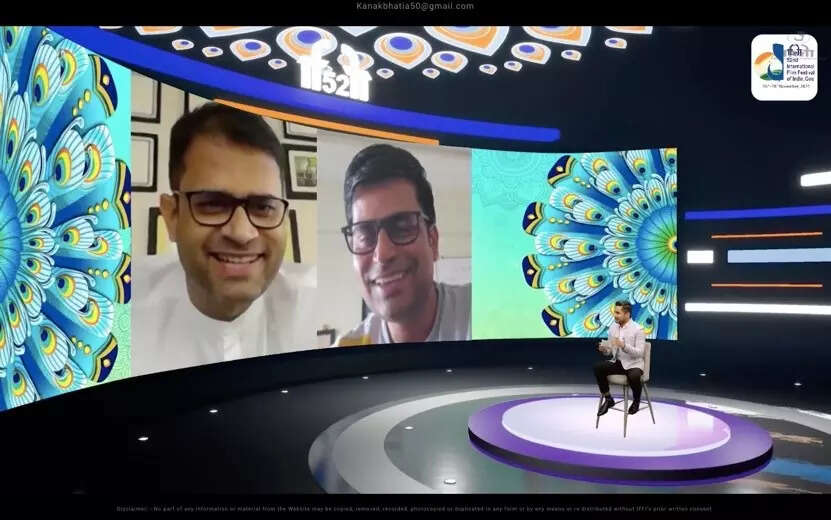
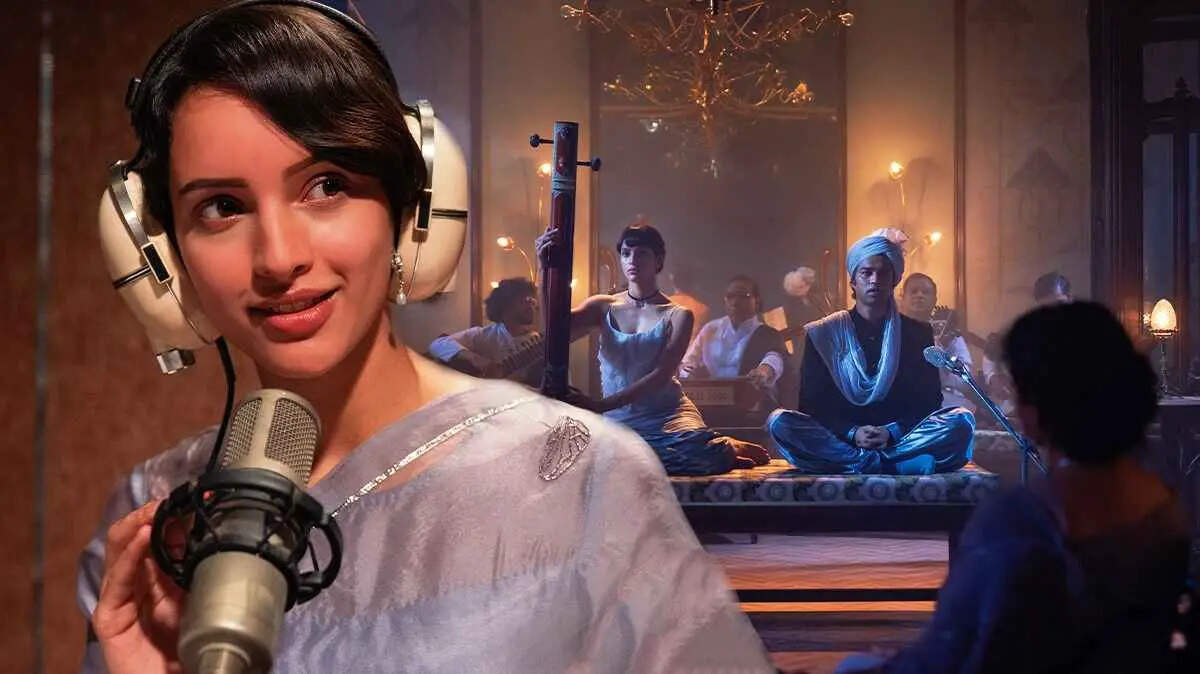
JAIPUR: Writers of the famous web series 'Maharani' attended 'In Conversation' session at the 52nd International Film Festival of India (IFFI) in Goa last year. The writers, Uma Shankar Singh and Nandan Singh, addressed the audience virtually in the event, anchored by Aditya Malik.

“We are used to seeing cliched portrayals of politicians on big and small screens. We wanted to change that. We wanted to show the world of politics from the inside. We never get to see the side stories of politicians,” Shankar Singh said. The series shows how political and social realities of Bihar pan out. “We lifted facts of our story from reality and added our inputs to it. We have tried to portray things which make us human, such as fear of politicians,” Uma said.

The two spoke about the need for research and how research into any drama series was the most important part of the story.

“Both of us are from Bihar. Hence, we knew many things about the State and its politics. However, during our research for the series, we realized how little we know. We tried our best and to ensure that the series did not resemble a Wikipedia page on politics,” Uma Singh said.

Adding to the conversation, Nandan Singh said, research needs to organically fit into storytelling, “'Maharani' is a political drama and political drama in our country is a sensitive issue. Thus, we tried our best not to hurt anyone’s sentiments,” he said. The writers praised the creator Subhash Kapoor for his understanding of the subject. “He is receptive to relatable stories and writing dialogues that resonate with the audience,” Nandan Singh said.

For Uma Singh, it was difficult to believe that Subhash was not from Bihar. “When someone is with him then one feels like he/she is going to school, because one will learn a lot from him,” he said.

Nandan Singh explained how they had little time for discussions due to the pandemic and how they worked hard to come up with a good script, “The OTT platforms need strong writing and lots of research. However, most of the discussions for the writing of Maharani took place through Zoom meetings or over phone calls,” he said.

Talking about the difference of writing for OTT platforms and films, Nandan Singh said: “OTT writing is very close to novel writing. While writing for films, we have to worry about many angles but writing for OTT is like writing a novel. You get ample time to develop sub-plots and other characters as well. OTT is subject to less commercial pressures which gives us a liberating feel,” he explained.

Uma Singh believes that “to write for OTT, one has to write a lot, you cannot neglect any sub-plot or aspect. You have to give equal attention to all characters,” he said. The character of Rani Bharati was the most difficult to write as she came from a small village and new to politics, he said.

Nandan Singh, on the other hand, found the character of Bheema difficult to script due to his negative side hidden in the role. Both writers agreed that OTT has opened up many opportunities.
Tags
#nandan singh#Maharani#uma shankar singh#IFFI#Political Drama#Subash Kapoor#Bihar#OTT

Related Articles

The Murmuring 20s: A Look Back at the Decade So Far
Article
Features

The Murmuring 20s: A Look Back at the Decade So Far

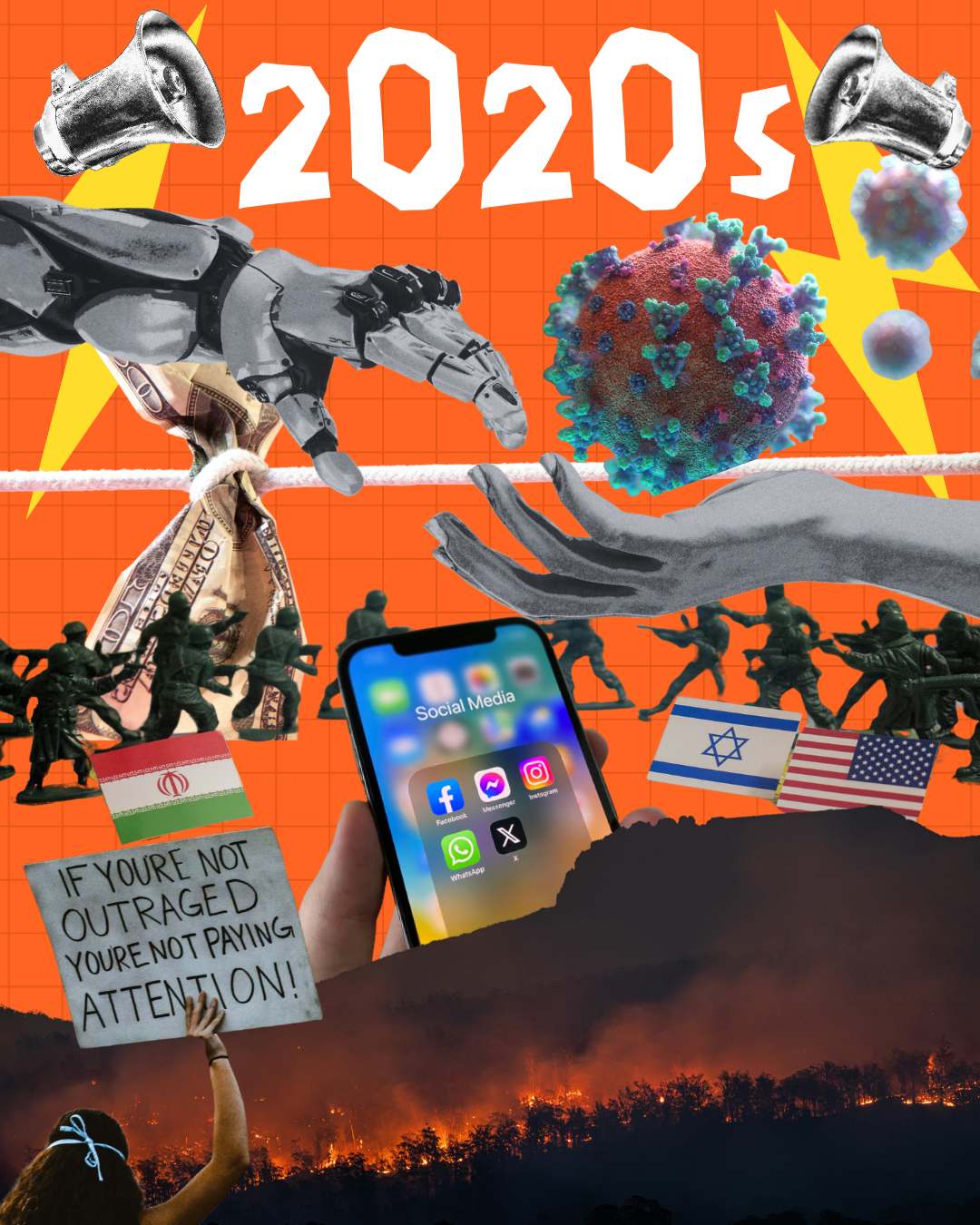
As we officially enter the late 2020s, this article retrospectively analyzes the defining events and cultural shifts that have taken place this decade.
Oct 30, 20267 min
#artificial intelligence#gen z#covid+2 more
Between Two Worlds: An American in Russia
Article
Features

Between Two Worlds: An American in Russia

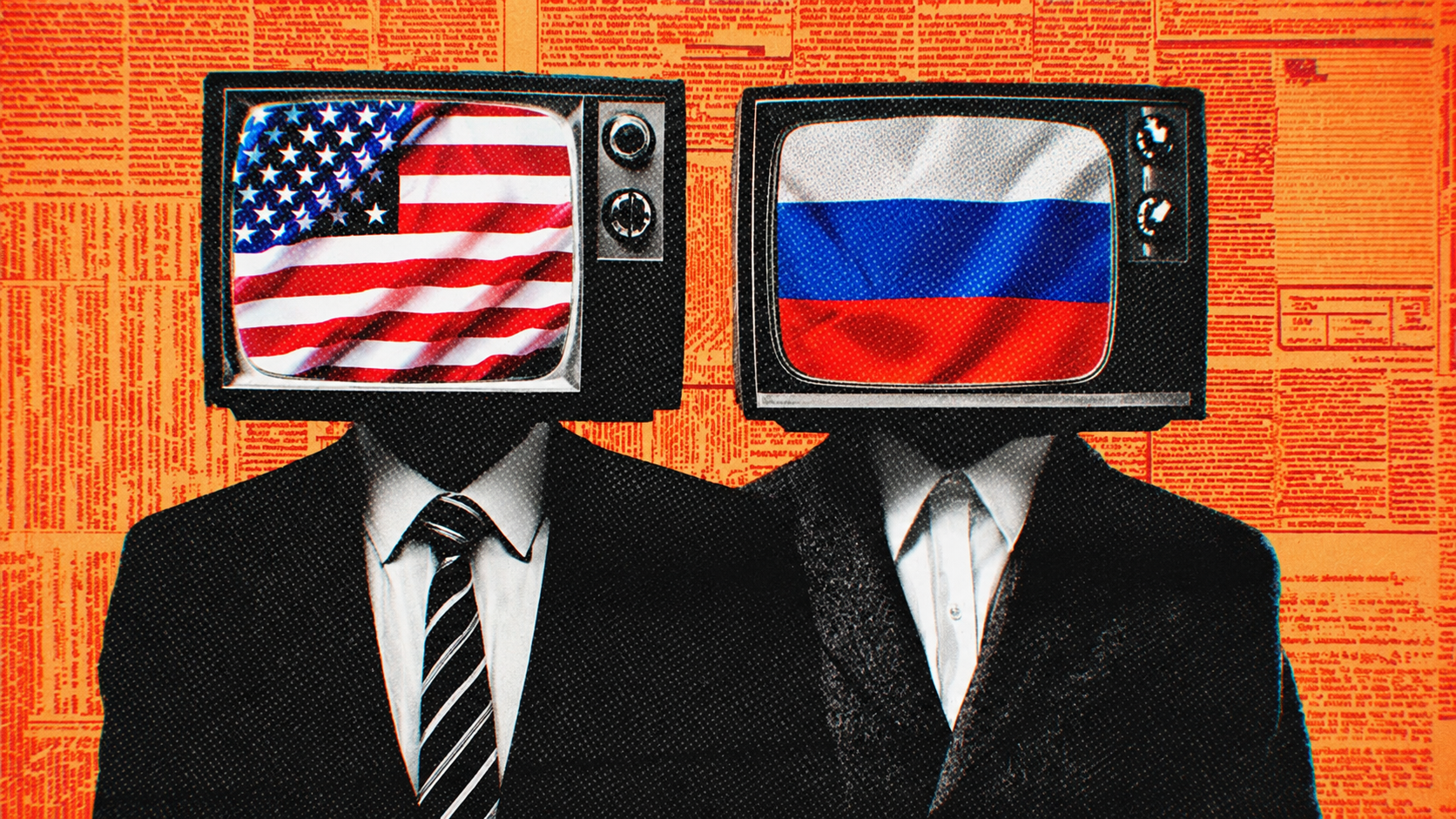
What if the country we think we know is not what it seems? At the second edition of Bennett Dialogues held at Bennett University, American-born cross-cultural analyst Jozef Schutzman challenged dominant media narratives about Russia and the United States, drawing from his experience of living in Russia. His conversation raised a compelling question: are we forming our own opinions about other nations, or simply believing the stories we are told?
Oct 28, 20264 min
#russia#times school of media#bennett dialogues+2 more
Gloria Steinem: A Mortal Heroine
Article
Features

Gloria Steinem: A Mortal Heroine

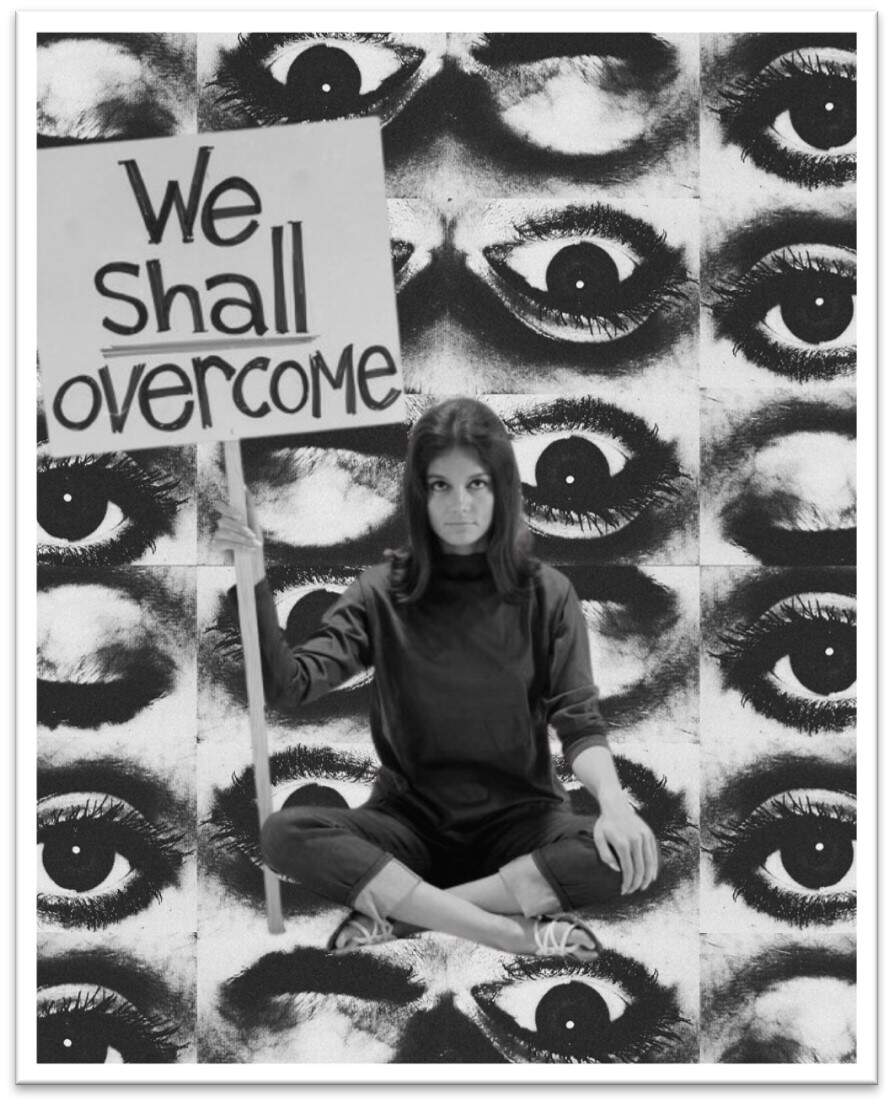
The article examines Gloria Steinem’s complex feminist legacy, acknowledging both her contributions to the movement and criticisms of her approach to intersectionality. It argues against idealizing or demonizing public figures, urging readers to recognize their complexities and the collective nature of social movements.

Oct 19, 20265 min
#steinem#gloria steinem#white feminism+2 more
I Buy, Therefore I Am
Article
Features

I Buy, Therefore I Am

The article explores how capitalism, social media influencers, and FOMO fuel modern consumerism, turning everyday products into symbols of status and identity. It questions whether we buy things out of genuine need or a manufactured desire to fit in.
Oct 19, 20263 min
#labubu#stanley#fomo+5 more
Unravelling The Language Of Consent In Qala's “Ghodey Pe Sawaar”
Article
Popculture

Unravelling The Language Of Consent In Qala's “Ghodey Pe Sawaar”

This article dissects Qala's lead single 'Ghode Pe Sawaar', through a feminist lens.
May 2, 20265 min
#ghodey pe sawaar#urmila#qalas+4 more
Beyond Headlines: The war of West Asia from youth's lens
Article
Features

Beyond Headlines: The war of West Asia from youth's lens

Has the popularity of social media hastened war news reporting or sensationalism? Does the youth of today find themselves torn between deciphering real news and misniformation? This article aims to look beyond the surface and uncover the answers to these questions and more.

Apr 24, 20266 min
#west asia#prabhjot kaur#point+3 more