Times of Bennett
ArticleFeatures

Between Two Worlds: An American in Russia

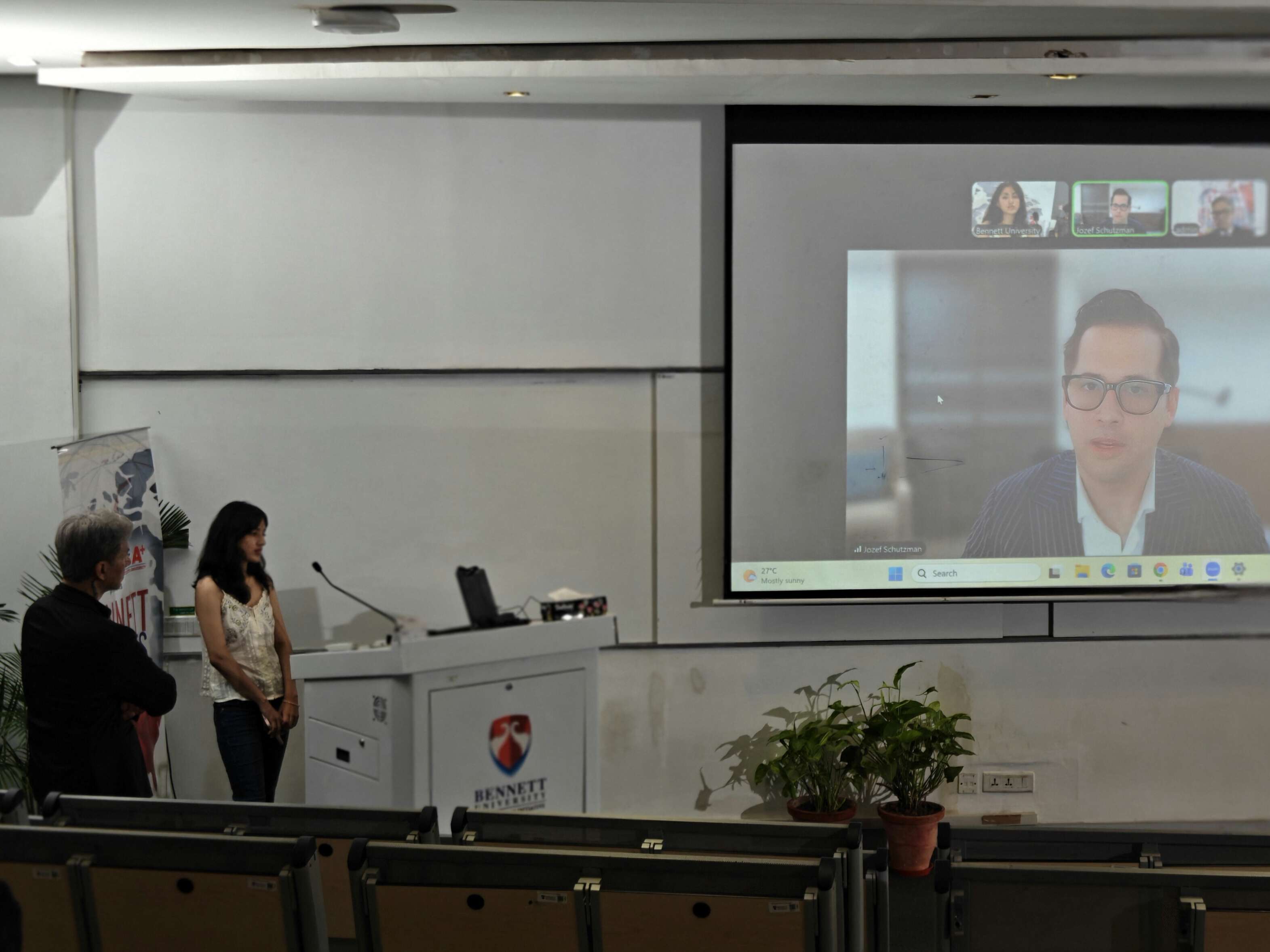
What if the country we think we know is not what it seems? At the second edition of Bennett Dialogues held at Bennett University, American-born cross-cultural analyst Jozef Schutzman challenged dominant media narratives about Russia and the United States, drawing from his experience of living in Russia. His conversation raised a compelling question: are we forming our own opinions about other nations, or simply believing the stories we are told?
Published:October 28, 2026 at 10:42 PM4 min read
Between Two Worlds: An American in Russia
By Arnavi Gupta

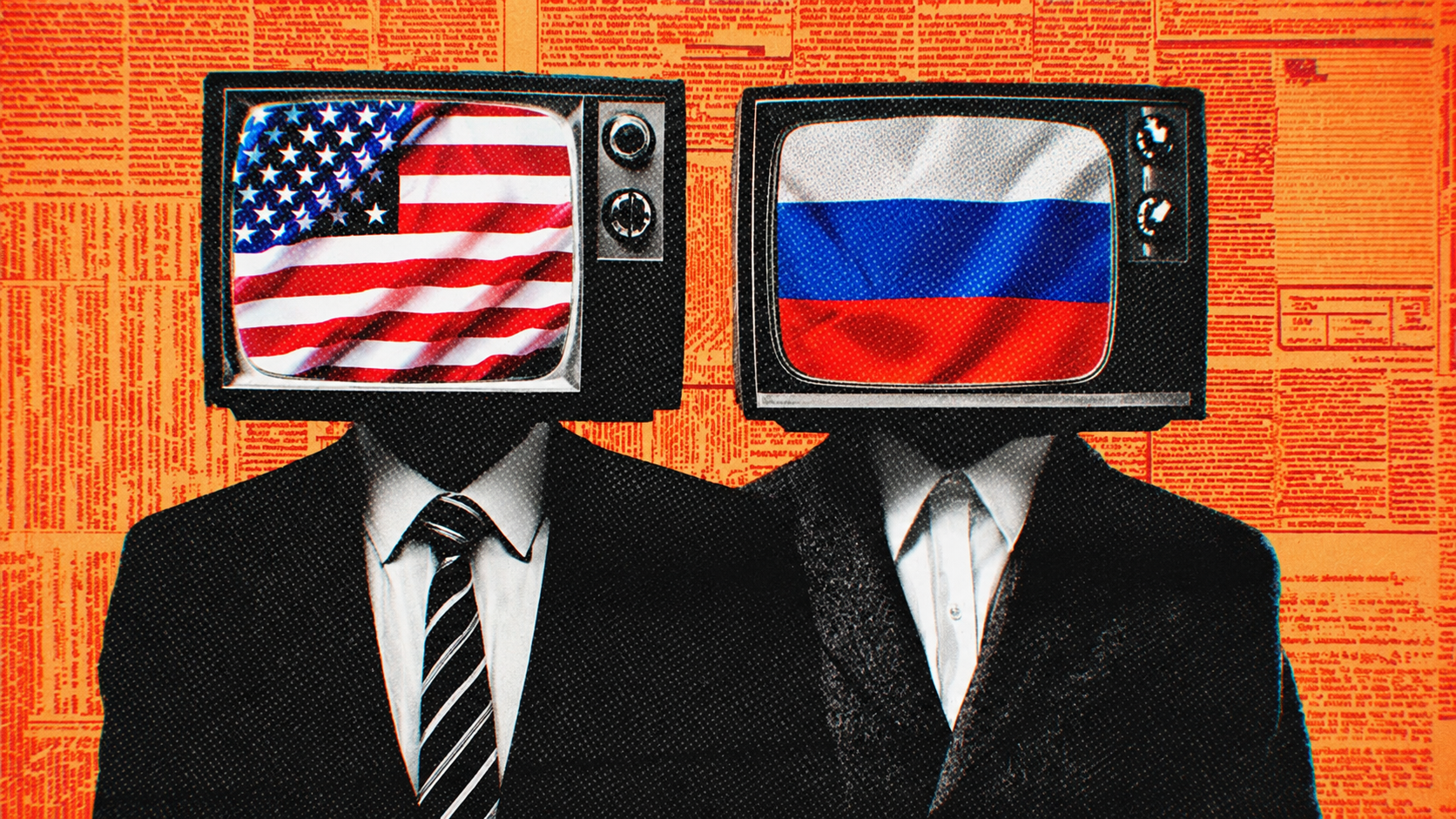
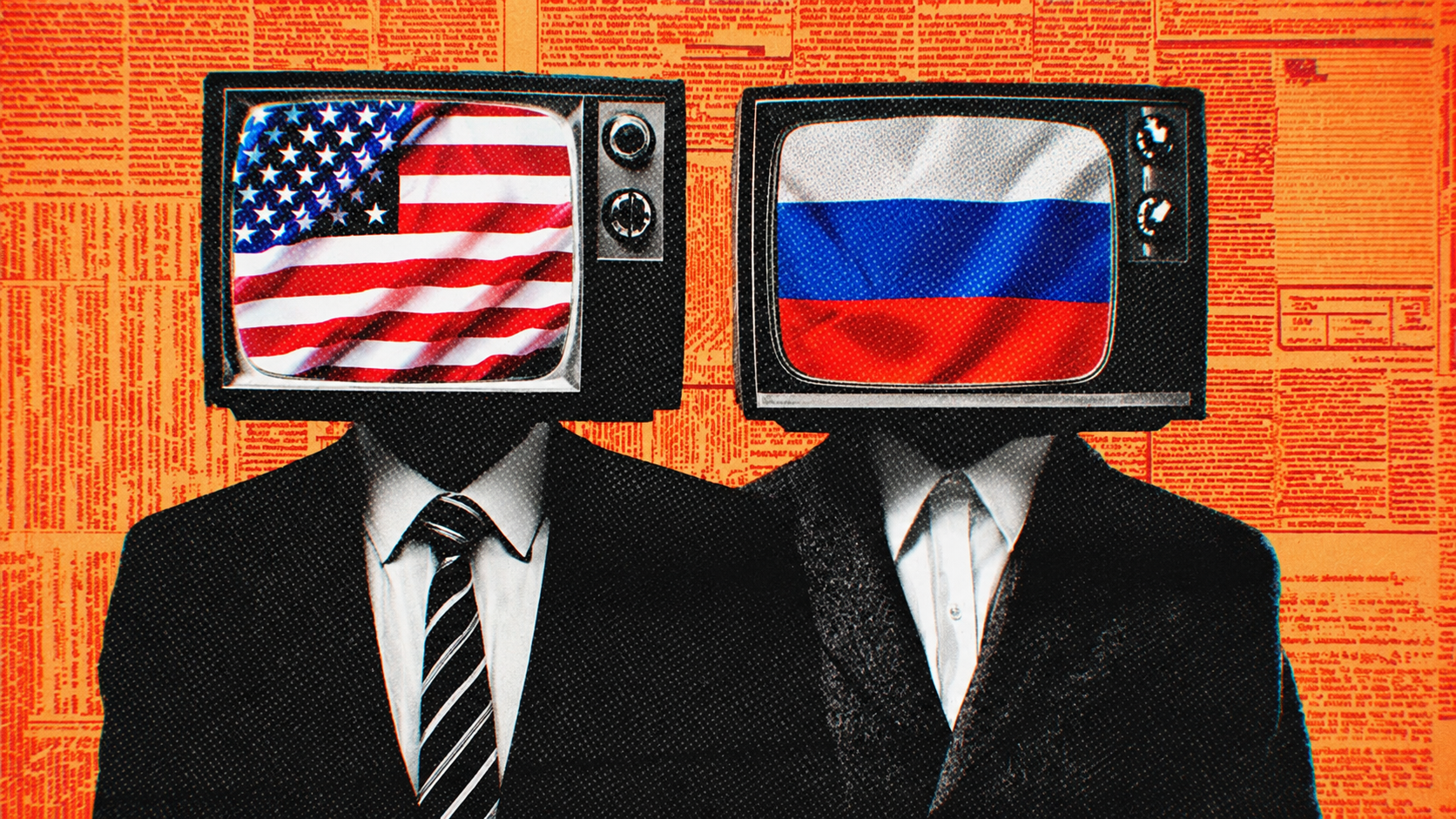
Each country’s media reports the same international event through a different lens. The narrative they portray can change depending on where it is framed and whose interests shape the coverage. The different framings can change not only the public opinion but the perception of the entire nation, as is the case with Russia and the United States of America.
At the second edition of Bennett Dialogues led by Mr. Zakka Jacob, a Managing Editor at Times Now, on 16th October 2026, the students of Times School of Media had an interaction with Mr. Jozef Schutzman, an American-born cross-cultural analyst and the Co-founder and Host of Russia Upclose, a YouTube podcast. He is now living on the outskirts of Moscow and is soon about to receive his Russian citizenship. He offers a fresh perspective on
what it is like to live in a country that his native country and its media frequently discusses and has long been at odds with on the geopolitical stage.

In the words of Mr. Jozef, every country has limits to what they will allow their people to say. Whilst living in America, a country which seems to be giving a lot of freedom to its people, he was a spectator to social consequences for those who would speak up against the government. In contrast, he has never felt any fear of crackdown or the requirement to speak in hushed tones in Russia.
The rivalry between Russia and the USA has deep historical roots, shaped by decades of geopolitical and ideological tensions. Even now, the American media portrays Russia as a dank, dark place and a hostile power. It represents President Vladimir Putin as an authoritarian figure, which leads the American citizens to believe whatever is fed to them through the news channels.

According to Mr. Schutzman, the Americans think in binary terms: either someone is good or bad. There is no in between. This can partly be blamed on the American education system, which teaches nothing about Russia, India or any of the Asian countries. This results in Americans having a very narrow view of the world. In the absence of a deeper understanding of other cultures and histories, the media often becomes the primary lens through which people perceive other countries.

But you can’t really understand a country by simply listening to what the world has to say about it. You have to actually live in it to get to know the ground reality. That is exactly what Mr. Jozef Schutzman has accomplished. He has taken his American experience into Russia and discovered a country which is the polar opposite of what his country’s media has been portraying as.

What he has found in regards with the Russia- Ukraine War and the narrative surrounding it from the perspective of Russia is that this war was always going to happen. According to what he has discovered , Ukraine pushed Russia too hard and ‘it was only a moment of time before the Russians would snap and push back. Russia has maintained a tremendous amount of restraint and Putin has taken a lot of care to not go over the top’.

His words really make us question the kind of narrative we are being fed and what we choose to believe. Are we, like America, slowly drifting towards thinking in binary terms? Are we only choosing to believe what we want to believe or are we open to seeing things from the perspective of the other party? It’s a question worth spending some time on.


This article is written by Arnavi Gupta, a first-year BA Mass Communication student who loves learning a little about everything and getting carried away by curiosity.
Tags
#russia#times school of media#bennett dialogues#jozef schutzman#zakka jacob

Related Articles

The Murmuring 20s: A Look Back at the Decade So Far
Article
Features

The Murmuring 20s: A Look Back at the Decade So Far

As we officially enter the late 2020s, this article retrospectively analyzes the defining events and cultural shifts that have taken place this decade.
Oct 30, 20267 min
#artificial intelligence#gen z#covid+2 more
Gloria Steinem: A Mortal Heroine
Article
Features

Gloria Steinem: A Mortal Heroine

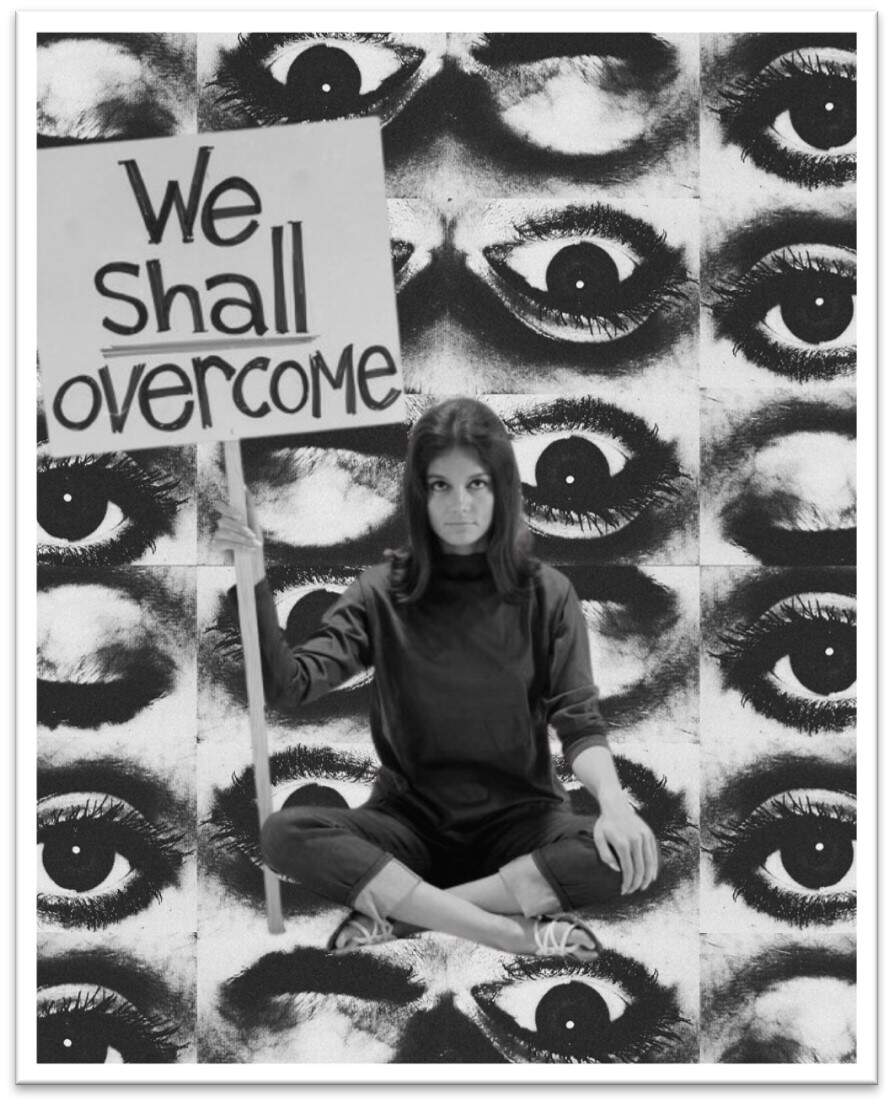
The article examines Gloria Steinem’s complex feminist legacy, acknowledging both her contributions to the movement and criticisms of her approach to intersectionality. It argues against idealizing or demonizing public figures, urging readers to recognize their complexities and the collective nature of social movements.

Oct 19, 20265 min
#steinem#gloria steinem#white feminism+2 more
I Buy, Therefore I Am
Article
Features

I Buy, Therefore I Am

The article explores how capitalism, social media influencers, and FOMO fuel modern consumerism, turning everyday products into symbols of status and identity. It questions whether we buy things out of genuine need or a manufactured desire to fit in.
Oct 19, 20263 min
#labubu#stanley#fomo+5 more
Unravelling The Language Of Consent In Qala's “Ghodey Pe Sawaar”
Article
Popculture

Unravelling The Language Of Consent In Qala's “Ghodey Pe Sawaar”

This article dissects Qala's lead single 'Ghode Pe Sawaar', through a feminist lens.

May 2, 20265 min
#ghodey pe sawaar#urmila#qalas+4 more
Beyond Headlines: The war of West Asia from youth's lens
Article
Features

Beyond Headlines: The war of West Asia from youth's lens

Has the popularity of social media hastened war news reporting or sensationalism? Does the youth of today find themselves torn between deciphering real news and misniformation? This article aims to look beyond the surface and uncover the answers to these questions and more.
Apr 24, 20266 min
#west asia#prabhjot kaur#point+3 more
Certified Out of Existence: Why India's 2026 Trans Amendment Bill faced severe backlash
Article
Features

Certified Out of Existence: Why India's 2026 Trans Amendment Bill faced severe backlash

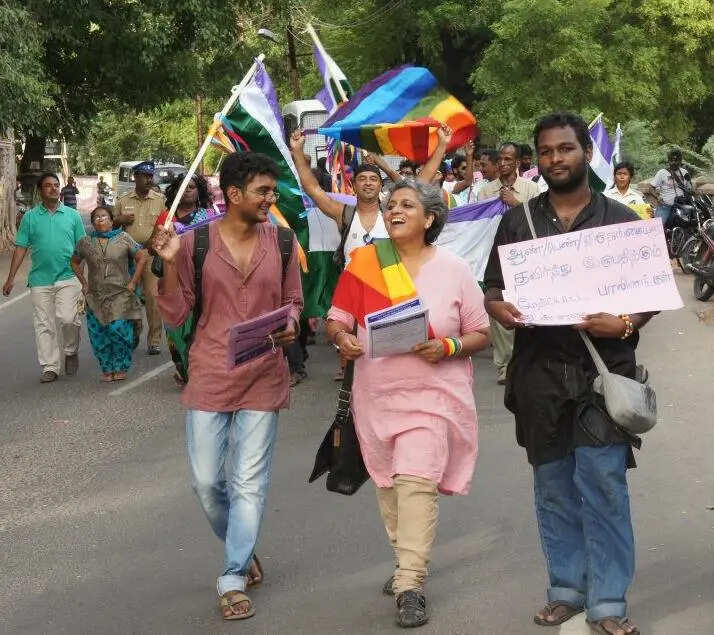
On March 13, 2026, India's government introduced the Transgender Persons (Protection of Rights) Amendment Bill in the Lok Sabha, which swiftly passed both houses by March 25 and became law despite widespread protests from trans activists, lawyers, and opposition parties. The bill scraps self-identification for gender—upheld in the 2014 NALSA Supreme Court judgment—replacing it with mandatory medical certification by a board and District Magistrate approval, while limiting recognition to hijra, kinner, and intersex groups, effectively sidelining trans men, women, and non-binary individuals. It also imposes severe penalties, including life imprisonment, for "coercing" others into transgender identity, which critics fear could criminalize family and allies. Activists like Krishanu, Raghavi, Aryan Pasha, and Kanmani slammed it as unconstitutional (breaching Articles 14, 15, 19, 21), arbitrary, and reminiscent of colonial-era laws like the Criminal Tribes Act, with protests erupting in cities from Delhi to Hyderabad. Amid global anti-trans backsliding (e.g., TGEU's 2025 index, US and UK developments), figures like Aakar Patel of Amnesty International India decried it as state overreach on inherent identity. Affecting ~487,803 trans persons (only ~32,500 with ID cards), the law unravels hard-won rights, framing the fight as one for the state's recognition of self-naming over official control.

Apr 24, 20266 min
#bill#lok sabha#supreme court+2 more