Times of Bennett
ArticleFeatures

Same subject, Same degree, Two different countries

This article is a comparison of Mass Communication and Journalism studies between India and Australia. Based on an interview with a student from the Western Sydney University, who had visited the Times School of Media in Bennett University for a cultural and educational exchange program. The findings of this article delve into the structural and qualitative differences between the teaching methods and course structure for Mass Communication and Journalism studies in both countries.


Published:November 14, 2025 at 10:56 AM5 min read
Same subject, Same degree, Two different countries
Correspondent: Shubhangi Sarkar
Photojournalists: International Affairs Society (IAS) Media Team


Have you ever wondered of the possibility, as to how two countries might teach the same subject. But with a few differences?
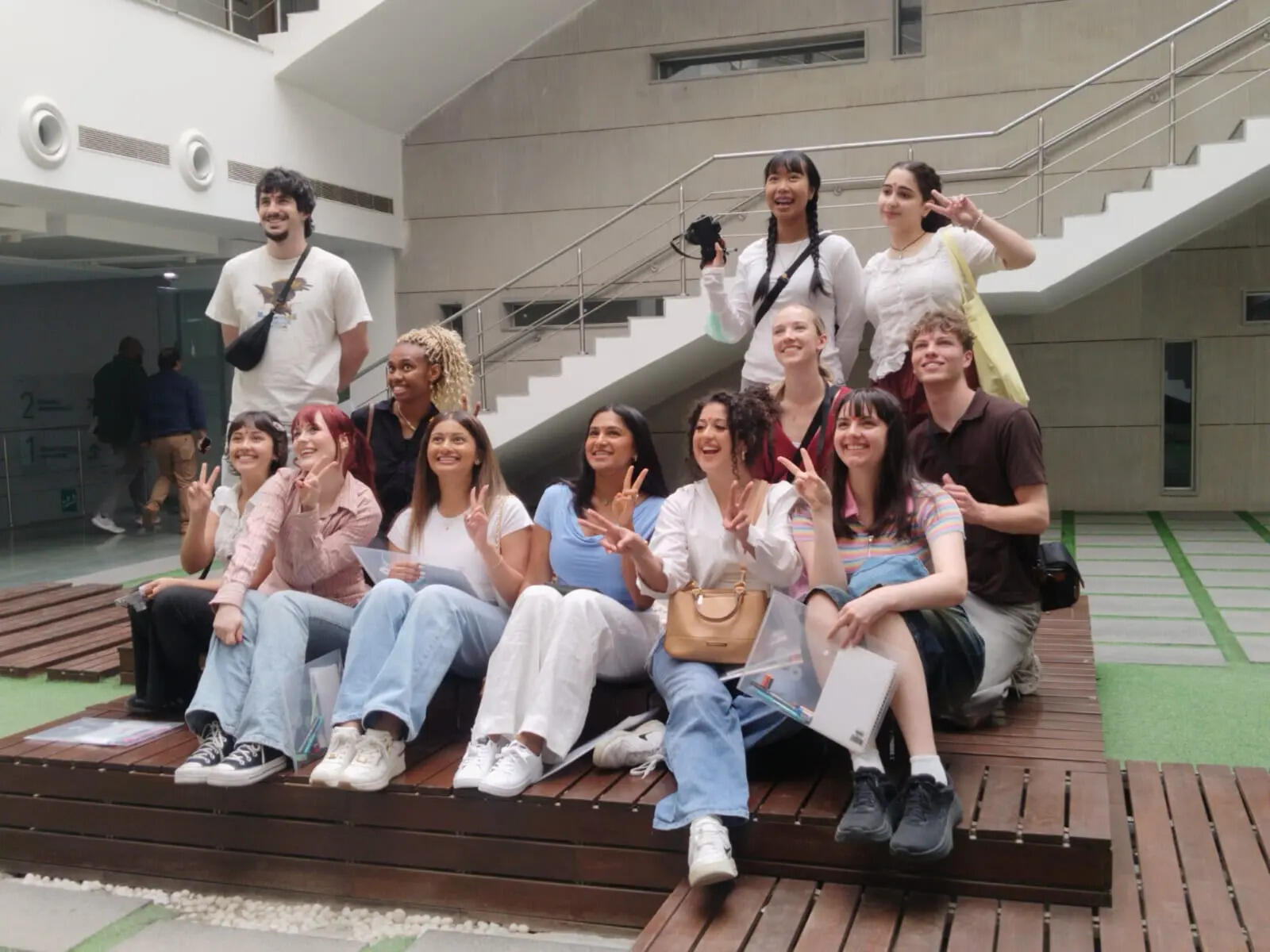
And that possibility is exactly what the editorial board got a chance to delve into. As the Times of School of Media at Bennett University had the exciting opportunity to host students from the Western Sydney University (WSU), Australia. For the ‘Namaste India’ program.
TSOM students at Bennett University were able to interact with these students, most of whom were fellow Journalism and Mass Communication students from their final year.


Every single one of these students, had an astonishing level of passion and curiosity brewing in their eyes, from the very moment they touched down on Indian soil.

Their excitement to explore, discover and learn more about India’s culture, life, and to learn about how the media industry looks like was truly inspirational.

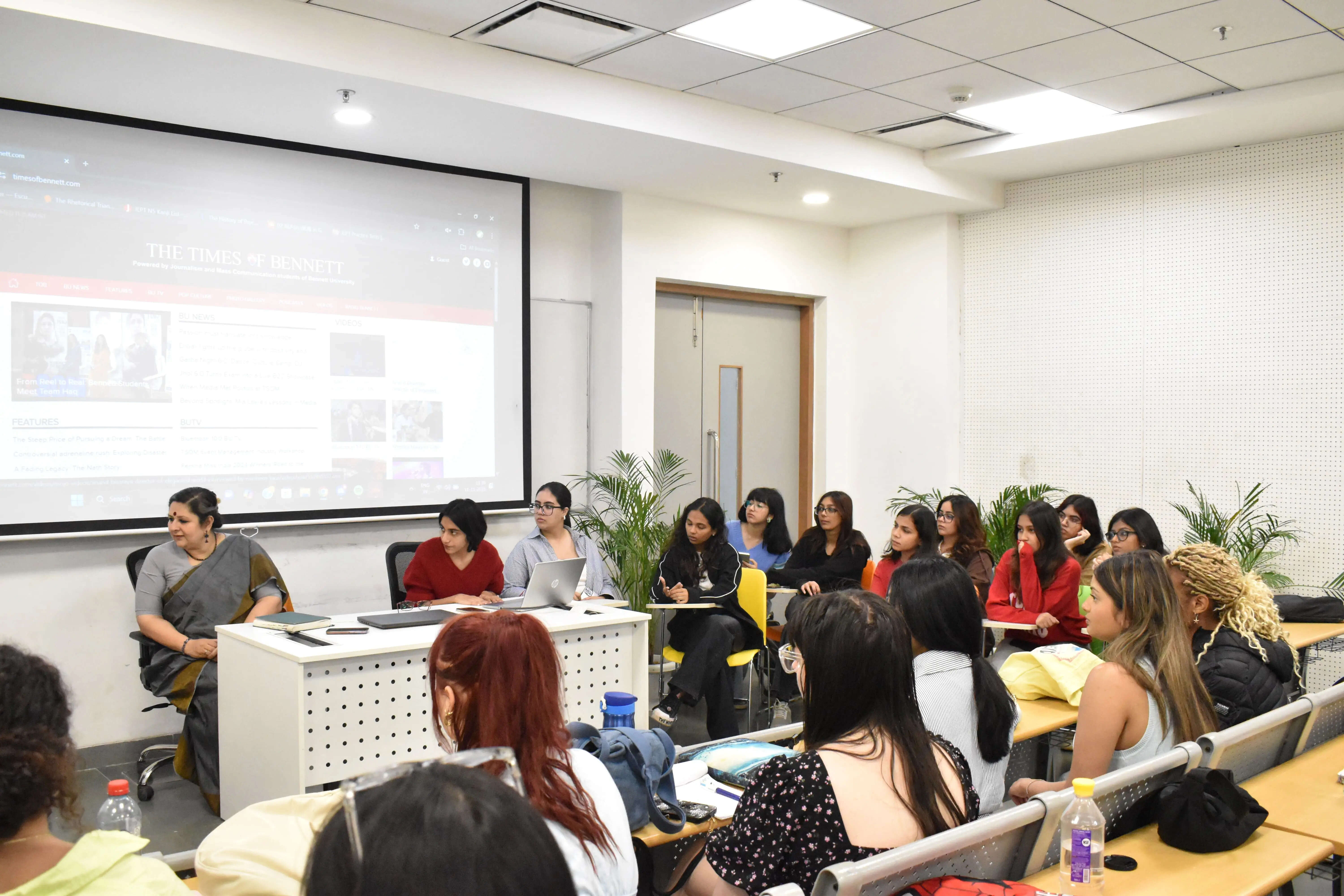
Following their meeting with the editorial board- the opportunity to interact with the students one-on-one, ended up being an extremely insightful exchange. Especially in terms of discussing how different the picture and pursuing a bachelor’s degree in mass communication or journalism looks like in Australia. As compared to the teaching methods and course structures in India.


WSU student Rosie Hadaway, who is a third-year student pursuing a Bachelor of Communication while majoring in journalism, shared her views on what Communication and Journalism studies look like in Australia.
In the interview with her, Rosie shared that just like India, in Australia too, it is a three-year course for them. With about 4 main subjects and the rest all being electives.
The main factor that WSU students were most astonished to find out, was how students like us in India are exposed to a plethora of both practical and theory-based subjects from our very first year. Especially considering that their first year was mostly about just learning how to write well. And that they were exposed to the more practical and skill-based subjects in their third year.
Quite surprisingly, Australia’s intense focus on practicality is one of the reasons why they do not have to take any written theory exams, like students do in India. And instead, all their examinations and assignment subjects are practical.
Unlike how India has a balance of both theory and practical based subjects, they have purely skill-based subjects. One such subject that Rosie spoke about was ‘Newsteams’.
A teamwork focused subject where students are assigned into teams. Which requires them to cover news stories as a group, and submit all their assignments and projects for the same practically.
Additionally, it could be inferred from the interview that there are a few subjects that Indian and Australian mass communication and journalism studies share. Such as Digital Photography, Newswriting, Creative Writing and Podcasting.
There are also subjects that we do not share. Such as the study of Political Economy in India, and ‘Newsteams’ from Australia.
“Pursuing communications and journalism in Australia has gotten very lacklustre these days. Especially with the Australian government’s increased focus on STEM as an industry and subject. Which is why courses like ours have no funds anymore”. Hadaway shared, expressing her frustration at the shrinking focus on the media and journalistic
industry in Australia.
Talking about her experience, she said, “We as journalism students are always encouraged to go look for stories of our own. And western Sydney does not really have much diversity, or unique stories to cover in that sense. But with the north of Sydney being quite the diverse location, we do end up finding a few rare, unique stories. This, unfortunately
does end up causing a lot of geographical differences though."
“The sudden shift in focus from artistic fields to STEM and the overall lack of active internship opportunities for us in this field, is really impacting the entire journalism and media industry in Australia. Whereas India seems to be a
really diverse country, whose artistic culture also seeps into the curriculum”.
She added.
And just like the Times of School of Media, Mass Communication and Journalism students in WSU, Australia also have their own editorial board at university. Which they run with almost no reliance on their professors and entirely based on their own capabilities.
Ultimately, the notion of ‘practicality’ seems to be of very high importance in the Australian education system, as compared to that of India. Where a solid chunk of the Indian education system holds up the importance of learning theories alongside practical subjects.
However, the recent increase in focus on the STEM industry and degrees alike- has also grown prevalent in all Australian Universities centrally. Which may be beginning to deprive mass communication and journalism students in Australia of more industrial exposure.

The author is a second year BA Mass Communication student. She is extremely passionate about international relations, linguistics, cultures and anime. And she likes to indulge in digital art in her free time.
Tags
#rosie#mass communication#india#australia#bennett university#sydney#western sydney university#times of school of media at

Related Articles

BENNETT DIALOGUES launch with the War in West Asia
Article
Campus

BENNETT DIALOGUES launch with the War in West Asia

Bennett University has launched BENNETT DIALOGUES, a fortnightly talk series conceptualized by Chancellor Vineet Jain (Times Group MD) to help students grasp global geopolitical shifts. Led by Prof. Dhiraj Singh (Head, Centre for Media & Technology), it features informal fireside chats and Q&A with experts in geopolitics, business, and media. The series aims to connect world events to everyday impacts, like how the US-Israel-Iran war affects India's petrol and LPG prices. The inaugural edition on April 21 explores "The War in West Asia," with Times Now's Zakka Jacob and Dr. Waiel Awwad (Syrian-origin expert on West Asia conflicts, based in Delhi). Prof. Singh highlights its blend of Times Group media legacy and Bennett's academic excellence, benefiting media, liberal arts, business, and law students.
Apr 18, 20262 min
#dialogues#zakka jacob#dhiraj singh+3 more
War bugle disguised as a ceasefire: Examining Lebanon's situation post Israeli air strikes
Article
Features

War bugle disguised as a ceasefire: Examining Lebanon's situation post Israeli air strikes

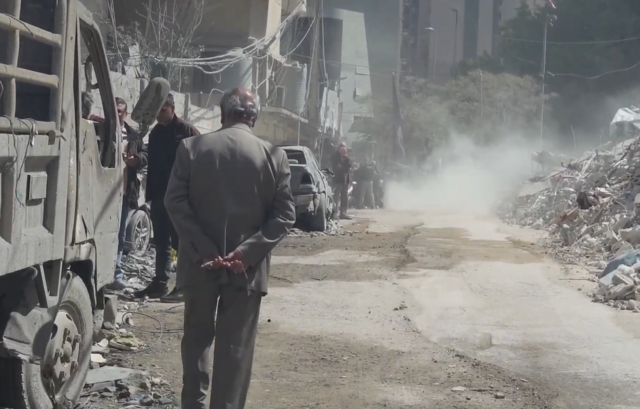
On April 8, a fragile ceasefire briefly eased global tensions after 40 days of war between Israel, Iran, and allies, announced by Trump on Truth Social and confirmed by Iran and Pakistan's PM Shehbaz Sharif, who brokered it. Celebrations ensued worldwide as markets surged and oil prices fell, until Israeli jets struck Lebanon that morning, killing 357 civilians in what Beirut dubbed "Black Wednesday," while Israel excluded Lebanon from the deal. No formal agreement exists; conflicting statements emerged immediately, with Pakistan and Iran insisting it covered Lebanon, but Israel and the US rejecting that after a Trump-Netanyahu call. Lebanon, already devastated with over 2,000 deaths since March, was sidelined in a multi-front conflict involving Hezbollah, Iraqi militias, and Gulf interceptions. Post-ceasefire issues mounted: Iran kept the Strait of Hormuz choked, charging exorbitant fees and slashing traffic from 110 daily ships to four. Historic US-Iran talks in Islamabad on April 11 collapsed, prompting a US naval blockade that doubled down on the disruption, halting all oil route traffic (20% of global supply). The two-week truce window lasts until April 22 amid ongoing messages, but optimism fades after the deadliest civilian day coincided with its announcement.

Apr 17, 20264 min
#lebanon#trump#iran+5 more
Dhurandhar: Propaganda or not?
Article
Features

Dhurandhar: Propaganda or not?

This article attempts to find an answer to whether Dhurandhar a propaganda film or not? For a film so highly acclaimed and criticized, Dhurandhar has managed to become a topic of debate in almost every Indian household.

Apr 16, 20266 min
#dhurandhar#rekha pachauri#jaskirat singh rangi+2 more
Exploring Why The Voice of Hind Rajab Sparked a Quiet Censorship Storm in India
Article
Features

Exploring Why The Voice of Hind Rajab Sparked a Quiet Censorship Storm in India

The film "The Voice of Hind Rajab", directed by Tunisian filmmaker Kaouther Ben Hania, reconstructs the tragic final moments of six-year-old Palestinian girl Hind Rajab, killed in Gaza amid the Israel-Palestine conflict. It serves as a powerful commentary on civilian suffering, war's human cost, humanitarian crises, and global indifference, transforming a personal loss into a broader critique of geopolitical silence. The documentary has sparked controversy in India, where distributor Manoj Nandwana reports an oral block by the Central Board of Film Certification (CBFC) due to fears it could strain India's strengthening ties with Israel in defence, tech, and trade. No formal written order exists, raising concerns about transparency, artistic freedom, and censorship influenced by diplomacy rather than by cinematic guidelines. Director Ben Hania voiced heartbreak on Facebook, lamenting the decision amid her lifelong love for India and Bollywood, while questioning if the "honeymoon" between the "world’s largest democracy" and the "only democracy in the Middle East" is so fragile. The case highlights broader trends of political sensitivities curbing films on contentious issues, unequal treatment of global narratives, and tensions between art, authority, and empathy in India's media landscape.

Apr 7, 20266 min
#hind rajab#kaouther ben hania#voice of hind rajab+2 more
Opera and Ballet: Why Timothée Chalamet’s comments couldn’t even make a ‘dent’ on the art forms
Article
Features

Opera and Ballet: Why Timothée Chalamet’s comments couldn’t even make a ‘dent’ on the art forms

Timothée Chalamet's offhand dismissal of ballet and opera as irrelevant sparked outrage from the arts community, including the Met Opera, Royal Ballet, and stars like Misty Copeland. Yet, post-pandemic declines in audiences and funding reveal harsh truths: these forms struggle against streaming, gaming, and inaccessibility due to high costs and elitism. The piece urges evolution over defense—through bold collaborations (e.g., Lady Gaga), innovative productions like Anna Nicole, and pop culture crossovers, akin to theatre's Tarantino buzz or Chalamet's own savvy marketing. Dismissal as "uncultured" misses the point: his words are vital feedback for survival in today's attention economy.

Mar 20, 20264 min
#opera#ballet#timothe chalamet+2 more
On Her Own Terms: The Alysa Liu Comeback Story
Article
Features

On Her Own Terms: The Alysa Liu Comeback Story

This article looks at the impressive story of Alysia Liu, Olympic Gold Winner in the 2026 Milano Cortina Games. It examines the underlying power and courage it takes to not only leave something you love but to come back stronger than ever before,

Feb 27, 20266 min
#liu#tonya harding#nancy kerrigan+4 more