

Times of Bennett
ArticleFeatures

UP Polls: Theatre group stages plays for BJP’s Maurya

UP polls: Theatre group stages plays for Deputy CM Keshav Maurya

Published:March 9, 2022 at 01:18 PM5 min read
UP Polls: Theatre group stages plays for BJP’s Maurya
By Anishka Sharma

KAUSHAMBI: As Bharatiya Janata Party (BJP) star campaigner and Uttar Pradesh Deputy Chief Minister Keshav Prasad Maurya canvasses across the state, a team of theatre artists streamlines his campaign back home in the Sirathu assembly seat, where he is locked in a contest against Samajwadi Party's Pallavi Patel.

Over a dozen artists of the theatre group from Delhi is staging street plays here to inform the public about the work done by the BJP government and Maurya. While the plays are enthralling local people, many refused to talk about their preferences in the high-decibel battle for the ballot here.

"When a street-play is about to begin, we start playing the 'dhapli' (a musical instrument) to draw the crowd to our show," said Mohit Nirhaakhar, who heads the 'Parindey' group,” said.

Through fun and play, the characters are making people aware of various welfare schemes run by the double-engine government in the state, he said. The theme of one such play was how the wife of a local man who used to hesitantly bring just a cup of tea for his guests now comes with a plate of 'pakoras' along with the beverage.

"When the guest asks the host what led to this change, he replies it is the magic of Modiji, Yogiji and Keshav Maurya and points to a cooking gas cylinder provided under the Ujjwala scheme," Nirhaakhar said.

Similarly, plays were enacted on NRIs evincing faith in Prime Minister Narendra Modi setting up a medical college in Sirathu so that youngsters can pursue a career in medical sciences in their hometown.

A show was also staged on how an old man falls down from a cycle due to bad roads, and Maurya, who also holds the PWD portfolio, has promised that by 2022, every village will have good quality roads, he said.

How construction of toilets brought a revolutionary change in the lives of women is the subject of another play hosted by the group. The team has 12 members, and they branch out in two groups of six to belt out plays in different locations.

"On an average, we stage seven such street plays daily. Sometimes, the number goes up," Nirhaakar said, and added that his team members use local language for instant connect with the audience. The team arrived here on February 6 from Delhi, and it has been staging street plays since February 7”, he said.

Binod Kumar and Sampat Maurya, among the audience at one such play appreciated the show and local hero Keshav Prasad Maurya.

On the people's reaction to the plays, Mohit said, "The response has been good in some areas, while in places considered to be strongholds of opposition parties, the response has been rather mild."

Kaushambi will vote in the fifth phase of the Assembly elections on February 27. Maurya, who claims he is a "son of Sirathu", is locked in a keen contest with Pallavi Patel, the elder sister of Union minister Anupriya Patel.

Pallavi Patel describes herself as the "daughter-in-law" of Sirathu. Nirhaakar said his group revises and edits its scripts on a daily basis, incorporating new points, and rehearses at night for the next day. He said children and aged women come in large numbers to their shows.

Besides him, the other members of the team are Prashant (actor, editor), Rohan, Mayank (actor, writer) and actors Priya, Abhinav, Golu, Alisha, Tanish, Digwijay, Vijay and Akash. Voters of Sirathu appeared to be holding their cards close to the chest when asked about their electoral preferences.

On a possible outcome of the elections, Shiv Shankar Maurya (59), a 'chhole-bhaturey' seller near the vegetable 'mandi', said, "Nothing seems to be clear this time. 'Koi lahar nahi hai (there is no wave of any party)'."

His son, Sushil, points to a stray bull on the GT Road and says, "The problem of stray animals, especially stray bulls, has increased problems for the farmers here. These bulls also pose a risk to the traffic and the vehicles moving at high speed on the GT Road."

Pallavi Patel is raising the problem of stray cattle being faced by the farmers.

At one of her rallies, she said, "They (BJP) say that they are giving you free rations. But, they will never highlight the fact that stray cattle consumes the crops of the farmers, pushing them into a debt trap, and thereby making their lives miserable."

Manoj Kumar Upadhyay, a driver of a local travel agency, says stray cattle poses a serious problem to the movement of vehicles on the GT Road, and sometimes also lead to accidents.

Ajay Kumar, a gardener who grows flowers and makes a living by selling them, said, "We are unable to decide which direction the election wind is blowing. I hope that by the time the voting day is around, we will have a clear picture."

Kanhai Pal, who works at a guest house located on GT Road, said the contest this time is "very intense and close", and "despite being residents of this district, we cannot say anything with certainty".
Tags
#UP elections 22#Elections 22#Bharatiya Janta Party#Sirathu Constituency#BJP play#Theatre play for BJP#Works done by BJP#Play in Sirathu#Pariendey group for BJP#Keshav Prasad Maurya campaign

Related Articles

Unravelling The Language Of Consent In Qala's “Ghodey Pe Sawaar”
Article
Popculture

Unravelling The Language Of Consent In Qala's “Ghodey Pe Sawaar”

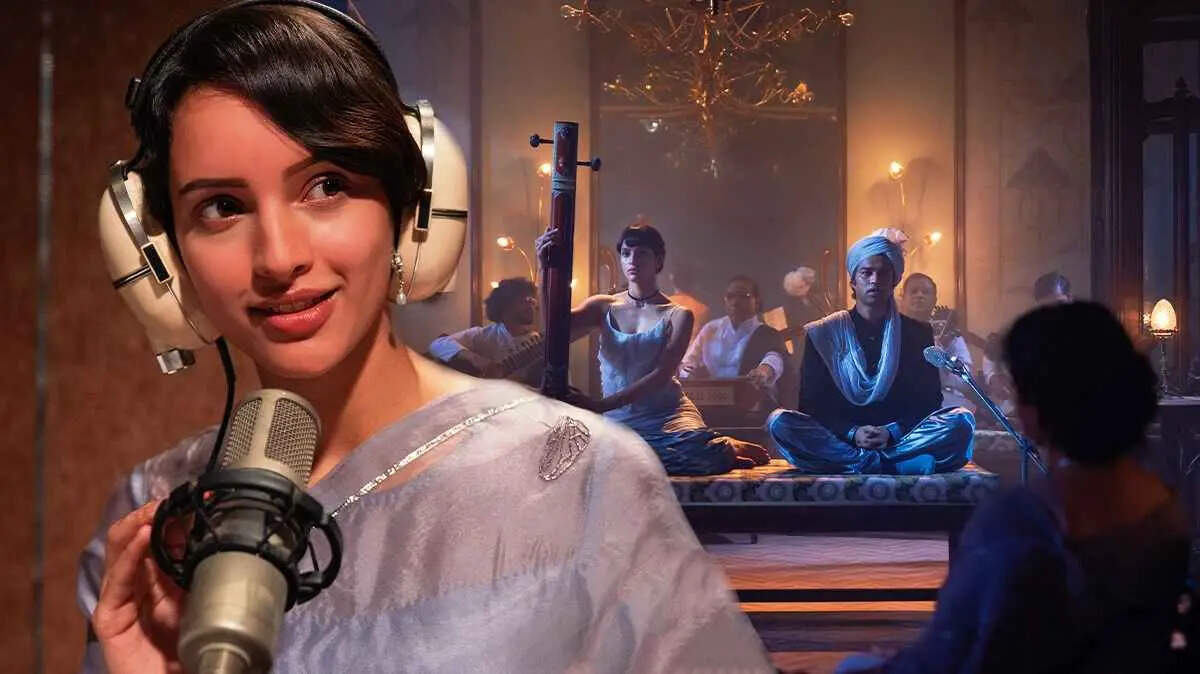
This article dissects Qala's lead single 'Ghode Pe Sawaar', through a feminist lens.
May 2, 20265 min
#ghodey pe sawaar#urmila#qalas+4 more
Beyond Headlines: The war of West Asia from youth's lens
Article
Features

Beyond Headlines: The war of West Asia from youth's lens

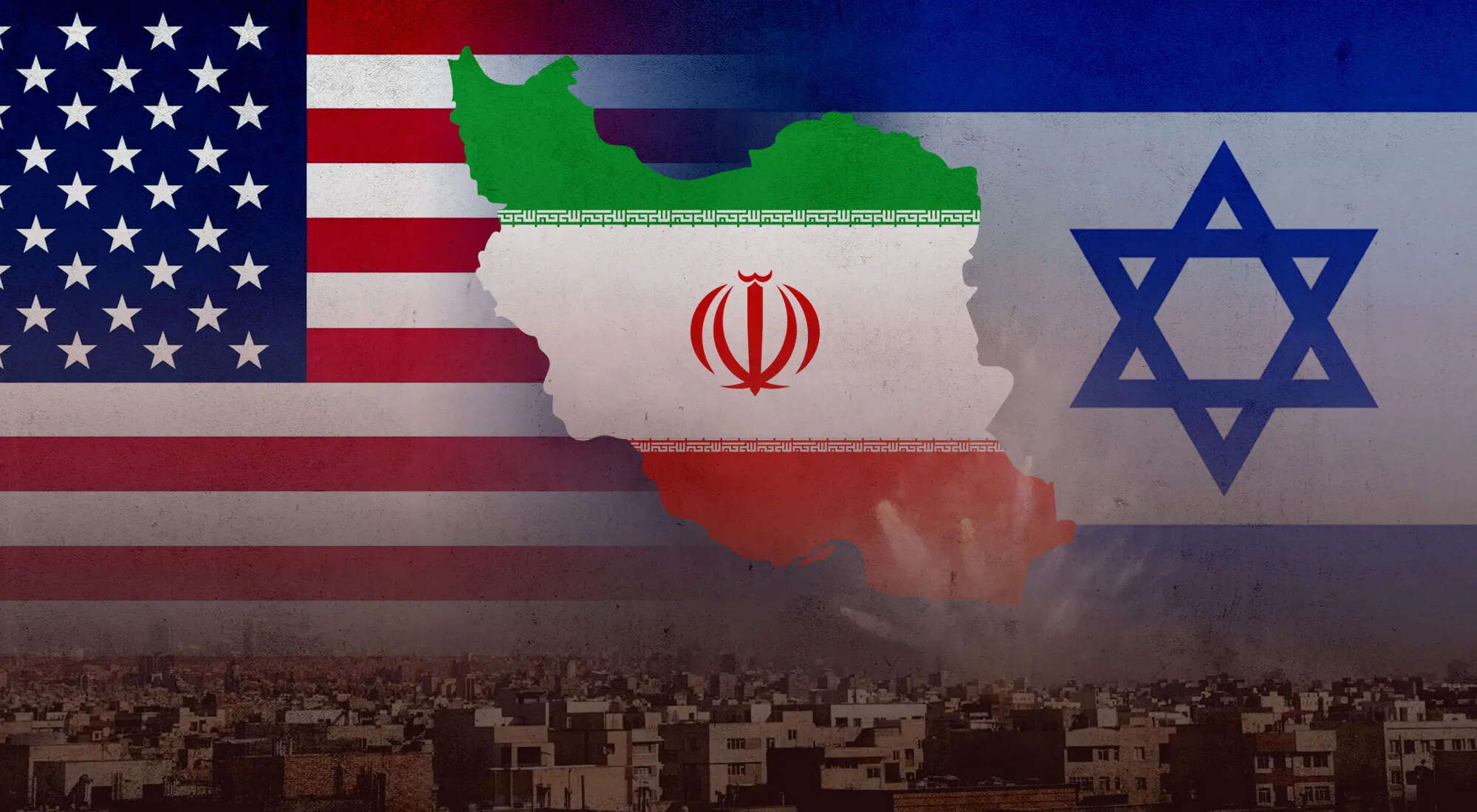
Has the popularity of social media hastened war news reporting or sensationalism? Does the youth of today find themselves torn between deciphering real news and misniformation? This article aims to look beyond the surface and uncover the answers to these questions and more.
Apr 24, 20266 min
#west asia#prabhjot kaur#point+3 more
Certified Out of Existence: Why India's 2026 Trans Amendment Bill faced severe backlash
Article
Features

Certified Out of Existence: Why India's 2026 Trans Amendment Bill faced severe backlash

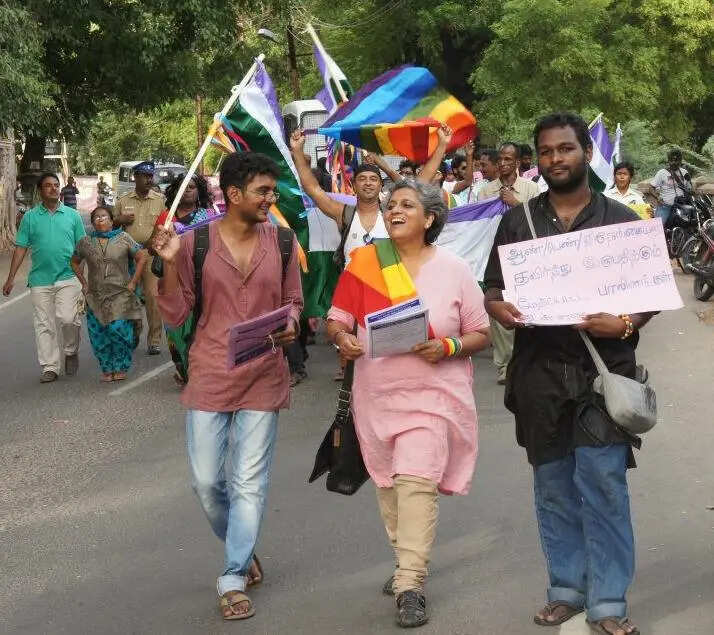
On March 13, 2026, India's government introduced the Transgender Persons (Protection of Rights) Amendment Bill in the Lok Sabha, which swiftly passed both houses by March 25 and became law despite widespread protests from trans activists, lawyers, and opposition parties. The bill scraps self-identification for gender—upheld in the 2014 NALSA Supreme Court judgment—replacing it with mandatory medical certification by a board and District Magistrate approval, while limiting recognition to hijra, kinner, and intersex groups, effectively sidelining trans men, women, and non-binary individuals. It also imposes severe penalties, including life imprisonment, for "coercing" others into transgender identity, which critics fear could criminalize family and allies. Activists like Krishanu, Raghavi, Aryan Pasha, and Kanmani slammed it as unconstitutional (breaching Articles 14, 15, 19, 21), arbitrary, and reminiscent of colonial-era laws like the Criminal Tribes Act, with protests erupting in cities from Delhi to Hyderabad. Amid global anti-trans backsliding (e.g., TGEU's 2025 index, US and UK developments), figures like Aakar Patel of Amnesty International India decried it as state overreach on inherent identity. Affecting ~487,803 trans persons (only ~32,500 with ID cards), the law unravels hard-won rights, framing the fight as one for the state's recognition of self-naming over official control.

Apr 24, 20266 min
#bill#lok sabha#supreme court+2 more
11,000 litres of milk: Spiritual offering or extreme prolifigacy?
Article
Features

11,000 litres of milk: Spiritual offering or extreme prolifigacy?

Video Controversy SynopsisA video from April 9, 2026, showing 11,000 liters of milk (worth ₹5.5–7.7 lakh) poured into the Narmada River during a religious ritual sparked national outrage online, pitting devotion against accusations of waste, excess, and environmental harm.Public BacklashSocial media users condemned the act as irresponsible amid food insecurity and river pollution risks, arguing the milk should have fed the needy instead of treating the river like a "sink."Defenses and Expert WarningsSupporters defended it as sincere faith, but environmentalists like Subhash Pandey and Ajay Dube highlighted ecological damage: the organic load depletes oxygen, harms aquatic life, drinking water, and local communities.Broader ImplicationsThe Narmada's cultural significance amplified the debate, turning a local ritual into a flashpoint on balancing tradition with ethics, responsibility, and river health—raising timeless questions on when devotion crosses into waste.
Apr 24, 20264 min
#narmada#subhash pandey#ajay dube+2 more
BENNETT DIALOGUES launch with the War in West Asia
Article
Campus

BENNETT DIALOGUES launch with the War in West Asia

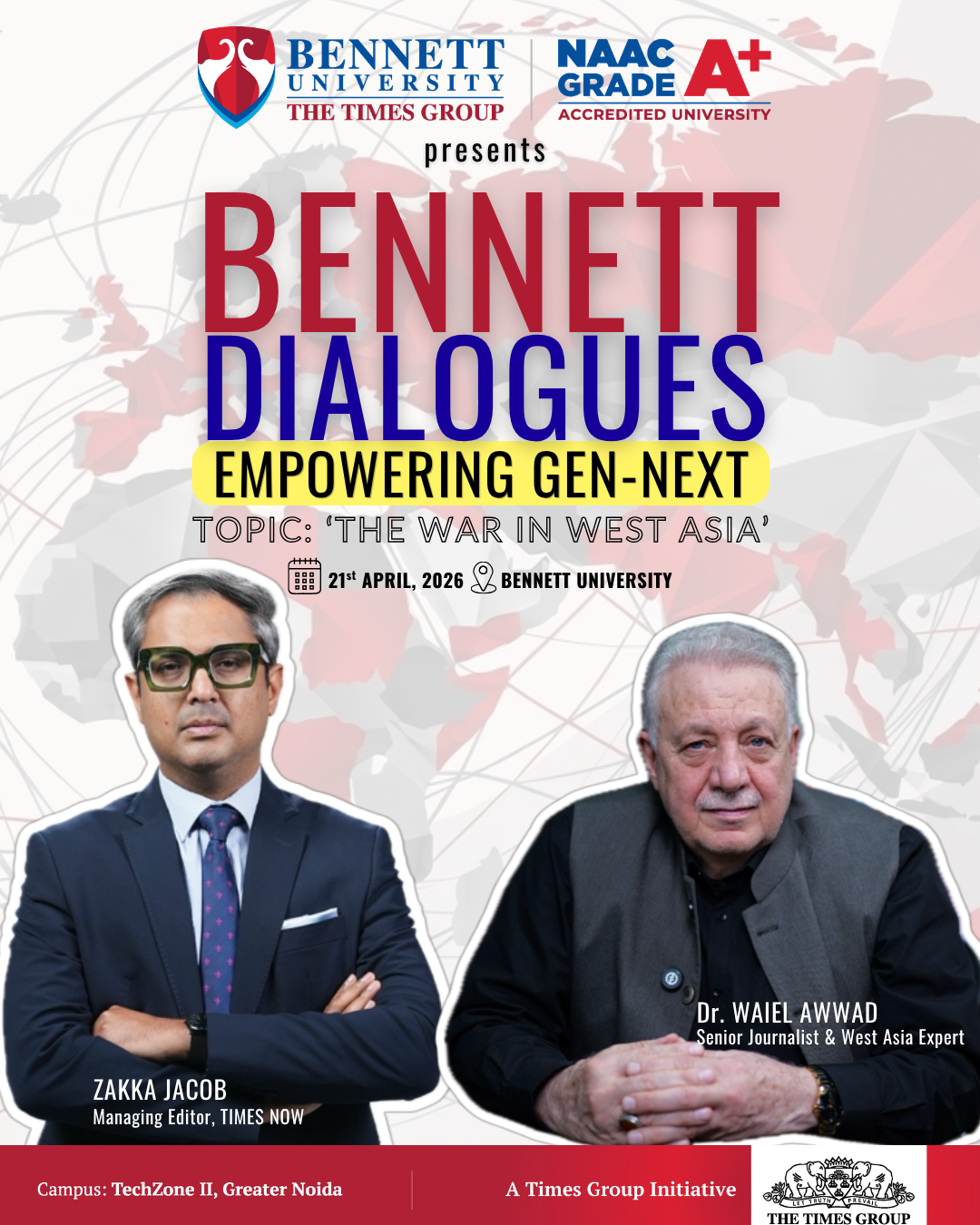
Bennett University has launched BENNETT DIALOGUES, a fortnightly talk series conceptualized by Chancellor Vineet Jain (Times Group MD) to help students grasp global geopolitical shifts. Led by Prof. Dhiraj Singh (Head, Centre for Media & Technology), it features informal fireside chats and Q&A with experts in geopolitics, business, and media. The series aims to connect world events to everyday impacts, like how the US-Israel-Iran war affects India's petrol and LPG prices. The inaugural edition on April 21 explores "The War in West Asia," with Times Now's Zakka Jacob and Dr. Waiel Awwad (Syrian-origin expert on West Asia conflicts, based in Delhi). Prof. Singh highlights its blend of Times Group media legacy and Bennett's academic excellence, benefiting media, liberal arts, business, and law students.
Apr 18, 20262 min
#dialogues#zakka jacob#dhiraj singh+3 more
War bugle disguised as a ceasefire: Examining Lebanon's situation post Israeli air strikes
Article
Features

War bugle disguised as a ceasefire: Examining Lebanon's situation post Israeli air strikes

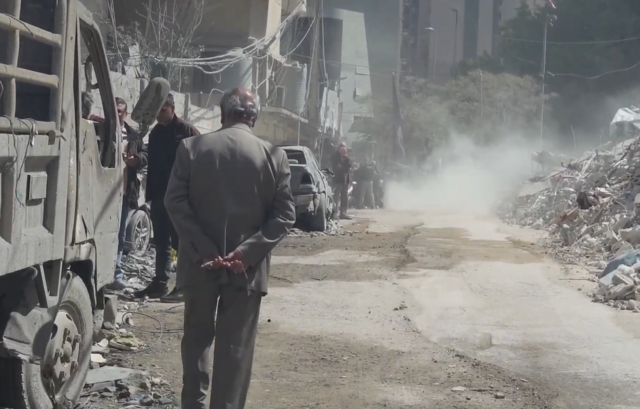
On April 8, a fragile ceasefire briefly eased global tensions after 40 days of war between Israel, Iran, and allies, announced by Trump on Truth Social and confirmed by Iran and Pakistan's PM Shehbaz Sharif, who brokered it. Celebrations ensued worldwide as markets surged and oil prices fell, until Israeli jets struck Lebanon that morning, killing 357 civilians in what Beirut dubbed "Black Wednesday," while Israel excluded Lebanon from the deal. No formal agreement exists; conflicting statements emerged immediately, with Pakistan and Iran insisting it covered Lebanon, but Israel and the US rejecting that after a Trump-Netanyahu call. Lebanon, already devastated with over 2,000 deaths since March, was sidelined in a multi-front conflict involving Hezbollah, Iraqi militias, and Gulf interceptions. Post-ceasefire issues mounted: Iran kept the Strait of Hormuz choked, charging exorbitant fees and slashing traffic from 110 daily ships to four. Historic US-Iran talks in Islamabad on April 11 collapsed, prompting a US naval blockade that doubled down on the disruption, halting all oil route traffic (20% of global supply). The two-week truce window lasts until April 22 amid ongoing messages, but optimism fades after the deadliest civilian day coincided with its announcement.

Apr 17, 20264 min
#lebanon#trump#iran+5 more