

Times of Bennett
ArticleFeatures

PM Modi: SP abetted ‘dabang’ and ‘dangai’ in UP

Published:February 12, 2022 at 01:52 PM2 min read
PM Modi: SP abetted ‘dabang’ and ‘dangai’ in UP
By Riti Ghai

Lucknow: Prime Minister Narendra Modi on Monday targeted the Samajwadi Party, saying five years ago, muscle men and rioters used to be the law unto themselves in Uttar Pradesh.

In his first virtual poll rally after the announcement of dates for the assembly elections in the state, Modi said during the previous government when Western Uttar Pradesh was burning due to riots, those in power were celebrating.

The previous government in the state was that of the Samajwadi Party (SP), which was defeated by the BJP in the 2017 assembly polls.

"Five years ago, 'dabang' (muscle men) and 'dangai' (rioters) were the law unto themselves. Their saying was the government order. Traders were looted and daughters could not come out of their homes in that period. The mafia used to roam freely under government patronage," the Prime Minister said.

Attacking former Chief Minister and SP president Akhilesh Yadav, who had avoided visiting Noida due to a superstition, Modi said, "Can those who hesitate in coming to Noida, a place for aspirations of youths, due to superstition represent the dreams of youths?"

Those who don't believe in the country's own COVID vaccine and those who give fuel to rumors, can they respect the talent and innovation of the youth of Uttar Pradesh, he asked, while addressing the rally for 21 assembly seats in five districts -- Baghpat, Shamli, Gautam Buddha Nagar, Muzaffarnagar, and Saharanpur.

For changing Uttar Pradesh "we are putting all our efforts, but they (BJP's rivals) are here to take revenge from you. Those who are given tickets by them are its proof," Modi said.

"Taking revenge is their ideology," he said adding that "I am happy that the people of Uttar Pradesh are alert about those who have 'dangai soch' (rioters' mentality)."

Taking a jibe at Yadav for saying Lord Krishna comes in his dreams, Modi said that Chief Minister Yogi Adityanath is awake and committed to working for Uttar Pradesh's development, while those seeing dreams are sleeping.

In Uttar Pradesh, the first phase polling will be held on February 10, the second phase on February 14, the third phase on February 20, the fourth phase on February 23, the fifth phase on February 27, the sixth phase on March 3, and the seventh phase on March 7. The counting of votes will take place on March 10.

Tags
#uttar pradesh#PM Modi#UP election 22#Election 22#PM Modi on SP#Akhilesh Yadav#PM Modi on Yogi

Related Articles

Gloria Steinem: A Mortal Heroine
Article
Features

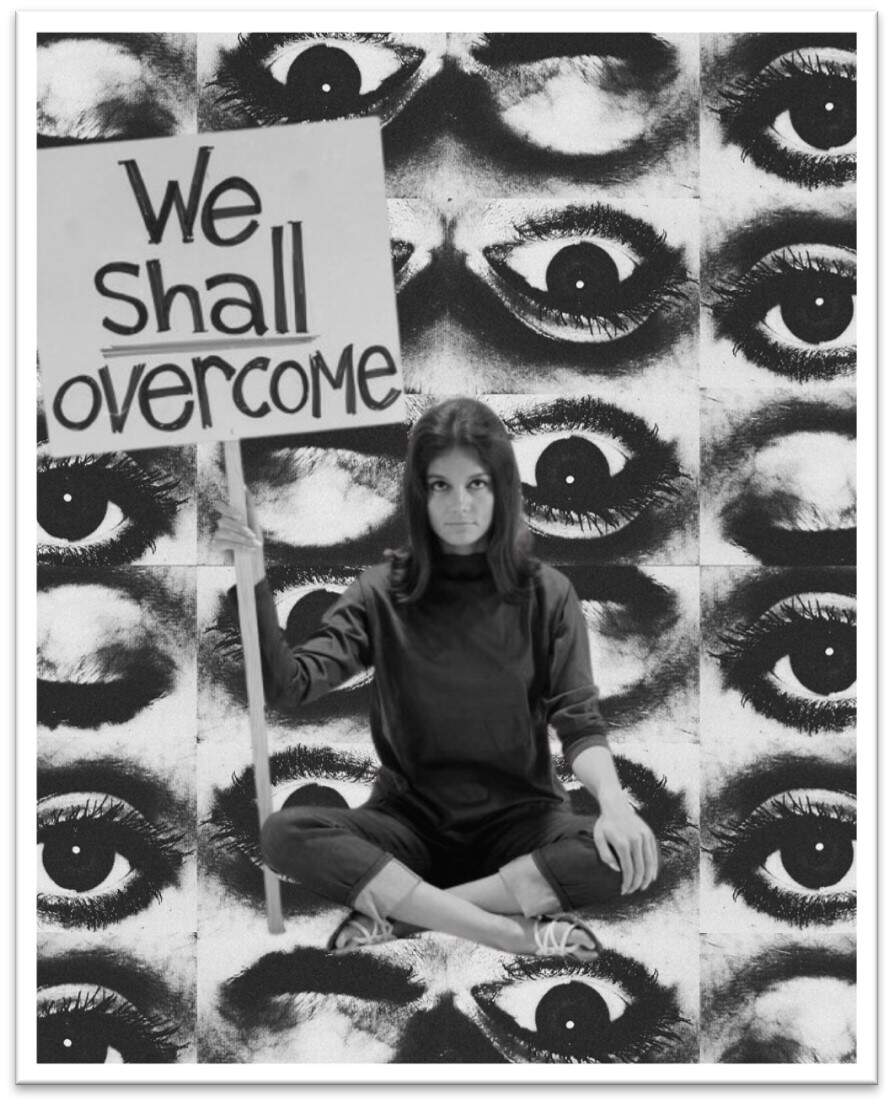
Gloria Steinem: A Mortal Heroine

The article examines Gloria Steinem’s complex feminist legacy, acknowledging both her contributions to the movement and criticisms of her approach to intersectionality. It argues against idealizing or demonizing public figures, urging readers to recognize their complexities and the collective nature of social movements.

Oct 19, 20265 min
#steinem#gloria steinem#white feminism+2 more
I Buy, Therefore I Am
Article
Features

I Buy, Therefore I Am

The article explores how capitalism, social media influencers, and FOMO fuel modern consumerism, turning everyday products into symbols of status and identity. It questions whether we buy things out of genuine need or a manufactured desire to fit in.

Oct 19, 20263 min
#labubu#stanley#fomo+5 more
Unravelling The Language Of Consent In Qala's “Ghodey Pe Sawaar”
Article
Popculture

Unravelling The Language Of Consent In Qala's “Ghodey Pe Sawaar”

This article dissects Qala's lead single 'Ghode Pe Sawaar', through a feminist lens.
May 2, 20265 min
#ghodey pe sawaar#urmila#qalas+4 more
Beyond Headlines: The war of West Asia from youth's lens
Article
Features

Beyond Headlines: The war of West Asia from youth's lens

Has the popularity of social media hastened war news reporting or sensationalism? Does the youth of today find themselves torn between deciphering real news and misniformation? This article aims to look beyond the surface and uncover the answers to these questions and more.
Apr 24, 20266 min
#west asia#prabhjot kaur#point+3 more
Certified Out of Existence: Why India's 2026 Trans Amendment Bill faced severe backlash
Article
Features

Certified Out of Existence: Why India's 2026 Trans Amendment Bill faced severe backlash

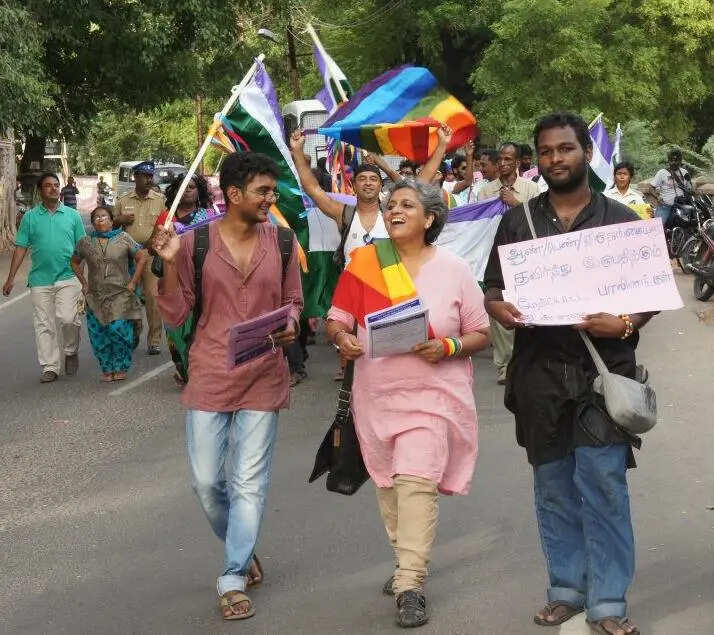
On March 13, 2026, India's government introduced the Transgender Persons (Protection of Rights) Amendment Bill in the Lok Sabha, which swiftly passed both houses by March 25 and became law despite widespread protests from trans activists, lawyers, and opposition parties. The bill scraps self-identification for gender—upheld in the 2014 NALSA Supreme Court judgment—replacing it with mandatory medical certification by a board and District Magistrate approval, while limiting recognition to hijra, kinner, and intersex groups, effectively sidelining trans men, women, and non-binary individuals. It also imposes severe penalties, including life imprisonment, for "coercing" others into transgender identity, which critics fear could criminalize family and allies. Activists like Krishanu, Raghavi, Aryan Pasha, and Kanmani slammed it as unconstitutional (breaching Articles 14, 15, 19, 21), arbitrary, and reminiscent of colonial-era laws like the Criminal Tribes Act, with protests erupting in cities from Delhi to Hyderabad. Amid global anti-trans backsliding (e.g., TGEU's 2025 index, US and UK developments), figures like Aakar Patel of Amnesty International India decried it as state overreach on inherent identity. Affecting ~487,803 trans persons (only ~32,500 with ID cards), the law unravels hard-won rights, framing the fight as one for the state's recognition of self-naming over official control.

Apr 24, 20266 min
#bill#lok sabha#supreme court+2 more
11,000 litres of milk: Spiritual offering or extreme prolifigacy?
Article
Features

11,000 litres of milk: Spiritual offering or extreme prolifigacy?

Video Controversy SynopsisA video from April 9, 2026, showing 11,000 liters of milk (worth ₹5.5–7.7 lakh) poured into the Narmada River during a religious ritual sparked national outrage online, pitting devotion against accusations of waste, excess, and environmental harm.Public BacklashSocial media users condemned the act as irresponsible amid food insecurity and river pollution risks, arguing the milk should have fed the needy instead of treating the river like a "sink."Defenses and Expert WarningsSupporters defended it as sincere faith, but environmentalists like Subhash Pandey and Ajay Dube highlighted ecological damage: the organic load depletes oxygen, harms aquatic life, drinking water, and local communities.Broader ImplicationsThe Narmada's cultural significance amplified the debate, turning a local ritual into a flashpoint on balancing tradition with ethics, responsibility, and river health—raising timeless questions on when devotion crosses into waste.

Apr 24, 20264 min
#narmada#subhash pandey#ajay dube+2 more